





















The Diet of Medieval Peasants and Serfs: Bread, Pottage, and the Threat of Famine
By
Matthew McIntosh

Hot, fresh, and worth queueing round the block for.
Summary
This article provides a comprehensive historical analysis of the diet and food culture of medieval peasants and serfs. It covers staple foods like bread (from various grains), pottage (a thick soup/stew), ale as a primary beverage, pulses (peas, beans, lentils), and dairy products. The article also examines how religious fasting rules, seasonal labor demands, and the constant threat of famine shaped peasant eating patterns. It explores the fragile balance between sufficiency and hunger that defined life at the bottom of medieval society, drawing on historical records and archaeological evidence.
Key quotes
· 3 pulledThe food of medieval peasants and serfs is often imagined as a grim monotony of black bread, watery gruel, and near-starvation. That image is not entirely invented, because hunger was a constant companion.
Medieval peasants and serfs lived on bread, pottage, ale, pulses, dairy, fasting rules, seasonal labor, and the fragile line between sufficiency and hunger.
The peasant diet was not merely a matter of taste or tradition; it was a complex negotiation with the environment, the seasons, the Church, and the lord of the manor.
You might also wanna read

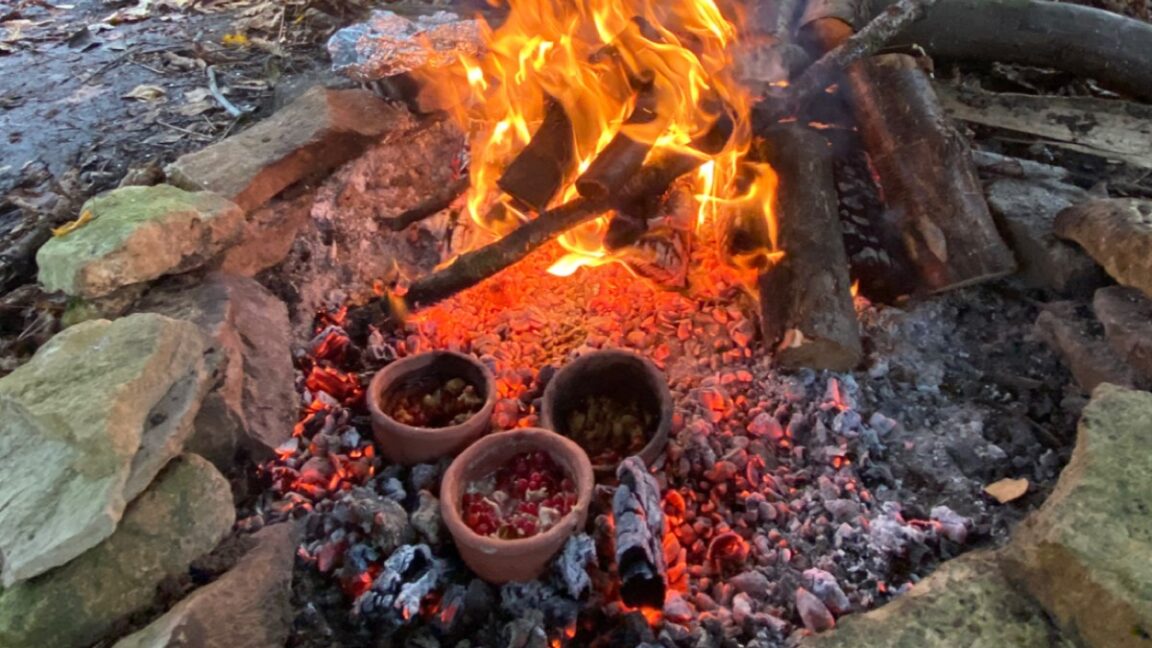
Archaeological Study Reveals Complex Plant-Based Diets of Prehistoric Europeans Through Pottery Residue Analysis
Archaeological research analyzing pottery residues from prehistoric European sites reveals complex plant-based diets and cooking practices.
 arstechnica.com·3mo ago
Pre-Modern Peasant Agriculture: Rent Systems and Economic Extraction in Historical Context
This article is part of a comprehensive series examining pre-modern peasant life, focusing specifically on agricultural rent systems and eco
 acoup.blog·9mo ago
Life, Work, Death and the Peasant: Part V - Life In Cycles
This is the fifth and final installment of a comprehensive series examining the life structures of pre-modern peasant farmers through histor
acoup.blog·7mo ago
Historical Accounts of Korea's Abundant Food Culture Through the Centuries
This article explores the historical tradition of massive meals in Korea, using the 1592 Japanese invasion as a starting point to illustrate
 atlasobscura.com·8mo ago
Debunking the Medieval Water Myth: Historical Evidence Shows Water Was Widely Consumed
This article debunks the common myth that medieval people avoided drinking water and primarily consumed alcohol instead. Drawing from histor
 leslefts.blogspot.com·9mo ago
The Rise and Health Impact of Ultraprocessed Foods in America
This article examines how ultraprocessed foods became dominant in the American diet despite their significant health risks. It traces the hi
 nytimes.com·7mo ago