
























Fil-C: A Memory-Safe Implementation of C and C++ for Legacy Code Compatibility
Fil-C is a memory-safe implementation of C and C++ that aims to let C code — complete with po [...]
Read the full articleYou might also wanna read
Engineers Detail Technical Hurdles of Rewriting PostgreSQL Database Engine in Rust
Developers attempting to rewrite PostgreSQL in Rust have documented significant technical challenges, including a 12–15% CPU overhead introd
Silent foe or quiet ally: Brief guide to alignment in C++. Part 3 -- Elizaveta Zhegalova
We continue our deep dive into memory mechanics. If you are just joining us, I recommend reviewing the foundations first. The first part cov


Modular: The Claude C Compiler: What It Reveals About the Future of Software
The Claude C Compiler: What It Reveals About the Future of Software
Microsoft Extends Rust-Influenced Memory-Safety Push to C#
Microsoft is applying lessons from Rust to C# in a planned redesign of the unsafe code model, continuing a years-long company focus on reduc

cuTile Rust: Extending Rust's Ownership Model to Safe GPU Kernel Programming
Rust has made safe systems programming practical on the CPU, but writing custom GPU kernels in Rust still forces programmers outside the lan
 hgpu.org·1mo ago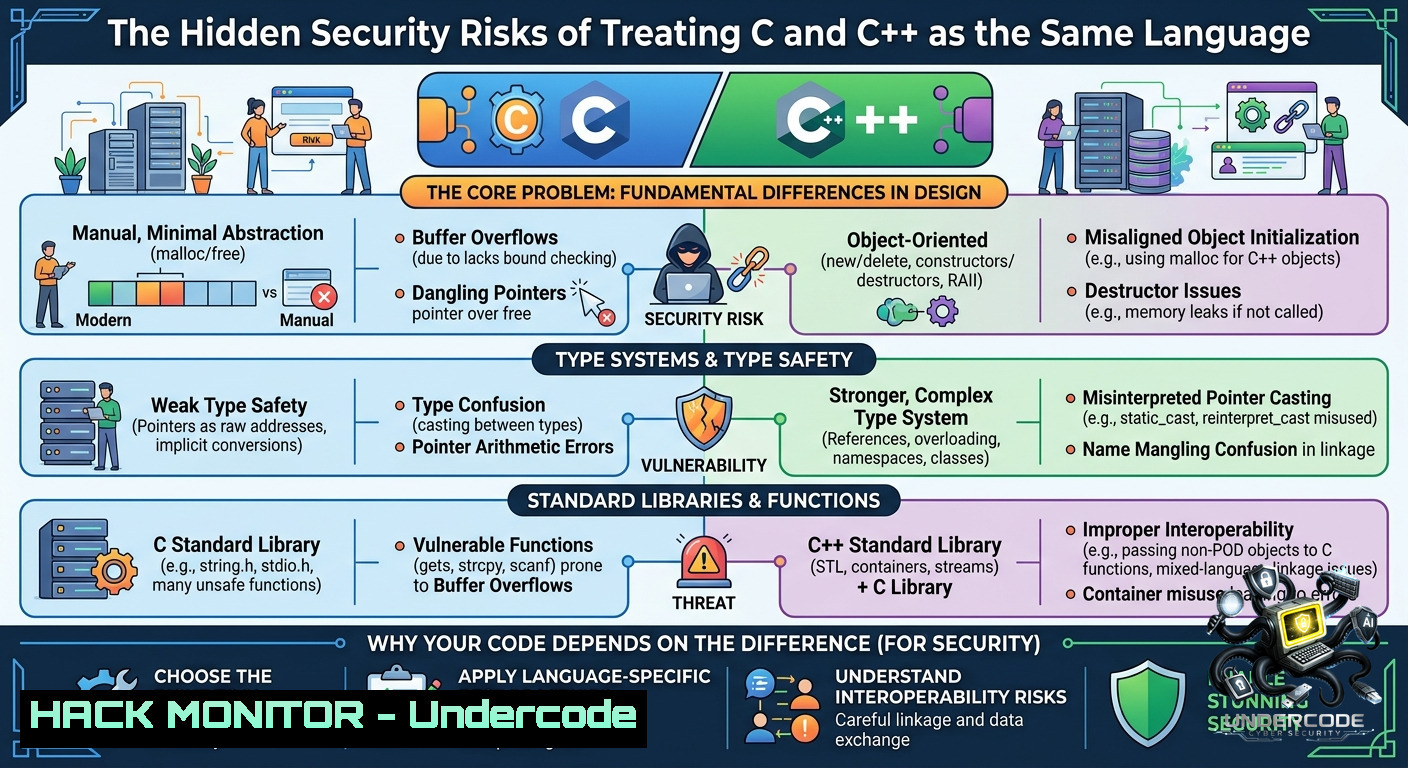
The Security Risks of Conflating C and C++: Why the Differences Matter for Secure Coding
The Hidden Security Risks of Treating C and C++ as the Same Language (And Why Your Code Depends on the Difference) + Video - "Undercode Test
 undercodetesting.com·1mo ago
Comments
Sign in to join the conversation.
No comments yet. Be the first.