
























Featured Image: Mother’s Day Superstorms
In May 2024, the Sun put on a powerful display of solar storms, and researchers have examined the source of all this activity to understand why. The post Featured Image: Mother’s Day Superstorms…
Read the full articleYou might also wanna read


NOAA Reports Severe G4 Geomagnetic Storm on January 19, 2026
Comments URL: Points: 15 # Comments: 2
 swpc.noaa.gov·5mo ago
:max_bytes(150000):strip_icc():focal(749x0:751x2)/Northern-lights-sweden-051226jpg-f4f751d9f4084fb3a2ec26c486a9eb6c.jpg)
Solar Flare May Enhance Northern Lights Visibility Tonight
On May 10, a powerful solar flare erupted from the sun, launching a massive burst of solar material into space that could brush past Earth l
 People.com·1mo ago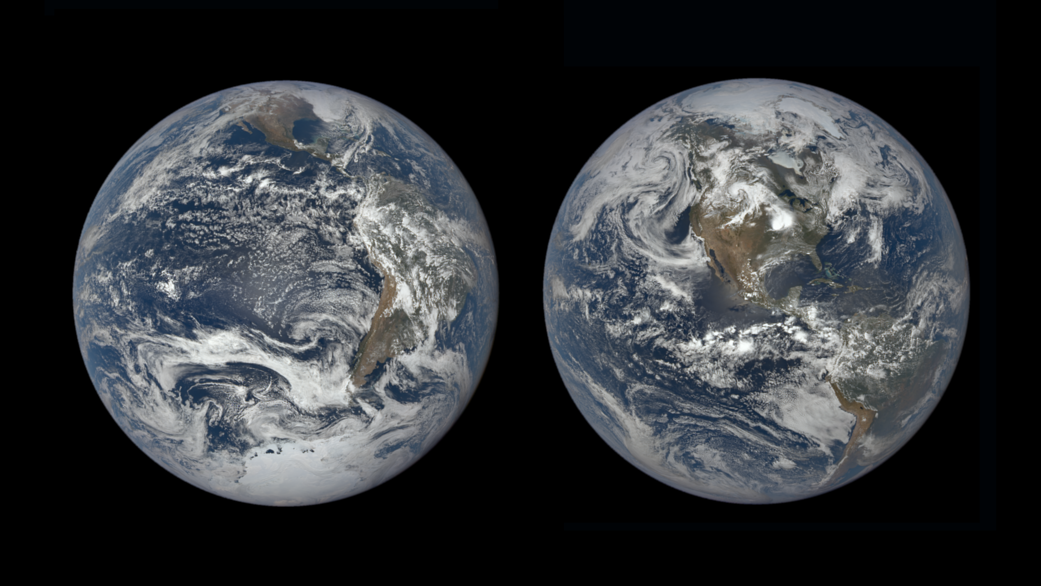
NASA Explains the 2021 Summer Solstice and Earth's Axial Tilt
June 20, 2021, marks the summer solstice — the beginning of astronomical summer — in the Northern Hemisphere.
 go.nasa.gov·18d ago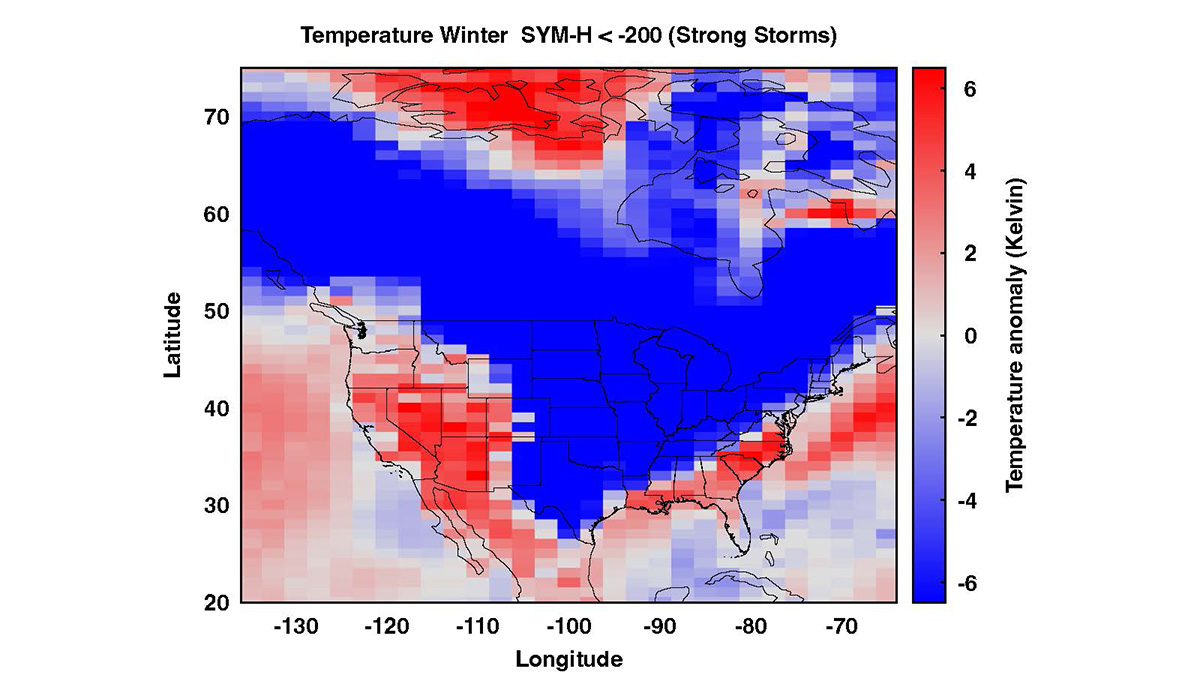
New Study Investigates How Solar Storms Influence Earth's Weather Patterns
New findings could help narrow down the mechanisms by which solar activity influences our weather.
 eos.org·16d ago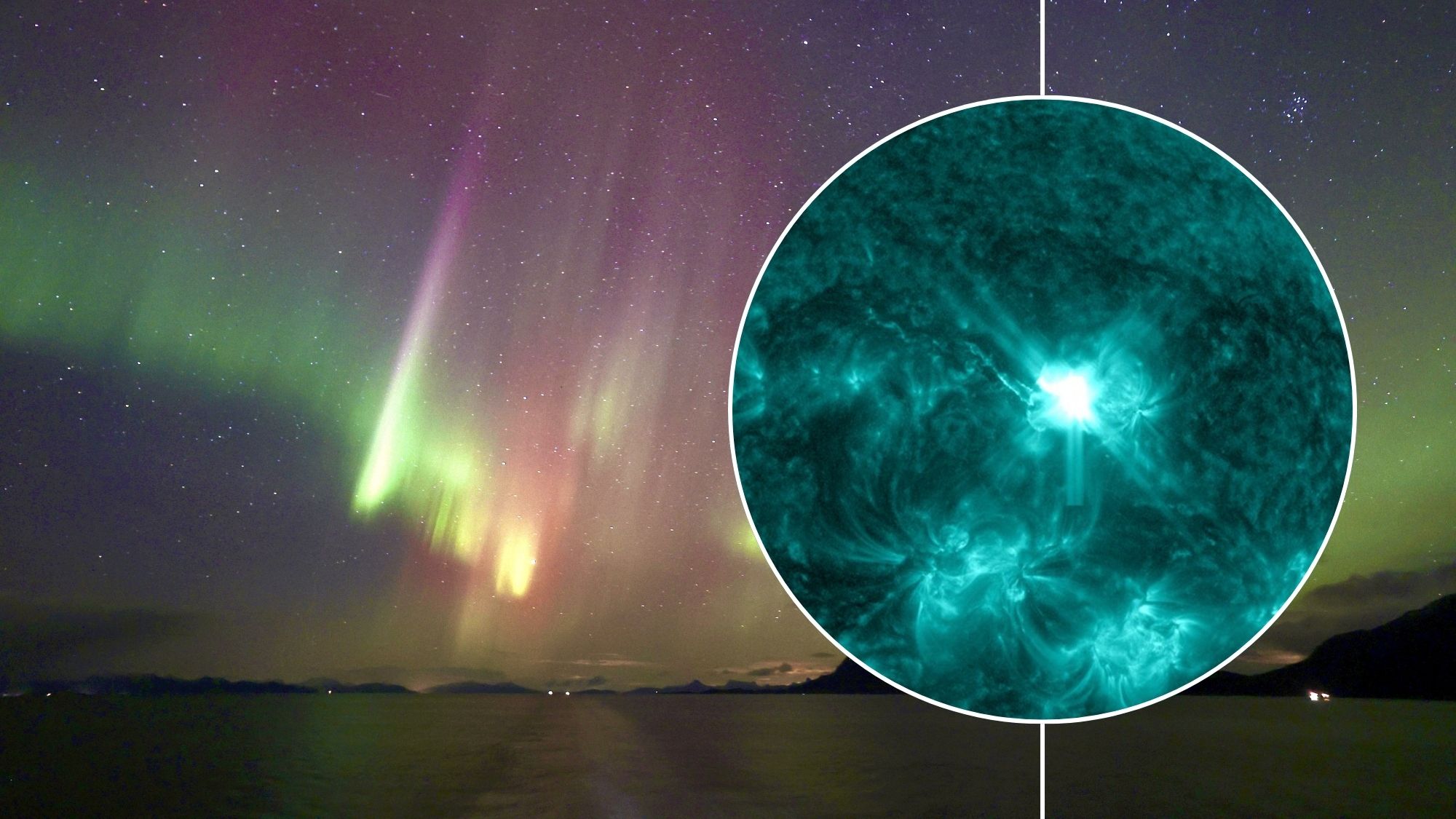
Sun fires 10 solar flares in 24 hours; Earth-bound CMEs may boost northern lights for July 4 weekend
Multiple CMEs are heading toward Earth, with G1-G2 geomagnetic storm conditions possible as the holiday weekend begins.
 Space·7d ago
Sun fires 10 solar flares in 24 hours; Earth-bound CMEs may boost northern lights for July 4 weekend
Multiple CMEs are heading toward Earth, with G1-G2 geomagnetic storm conditions possible as the holiday weekend begins.
space.com·7d agoSun fires 10 solar flares in 24 hours; Earth-bound CMEs may boost northern lights for July 4 weekend
Multiple CMEs are heading toward Earth, with G1-G2 geomagnetic storm conditions possible as the holiday weekend begins.
space.com·7d ago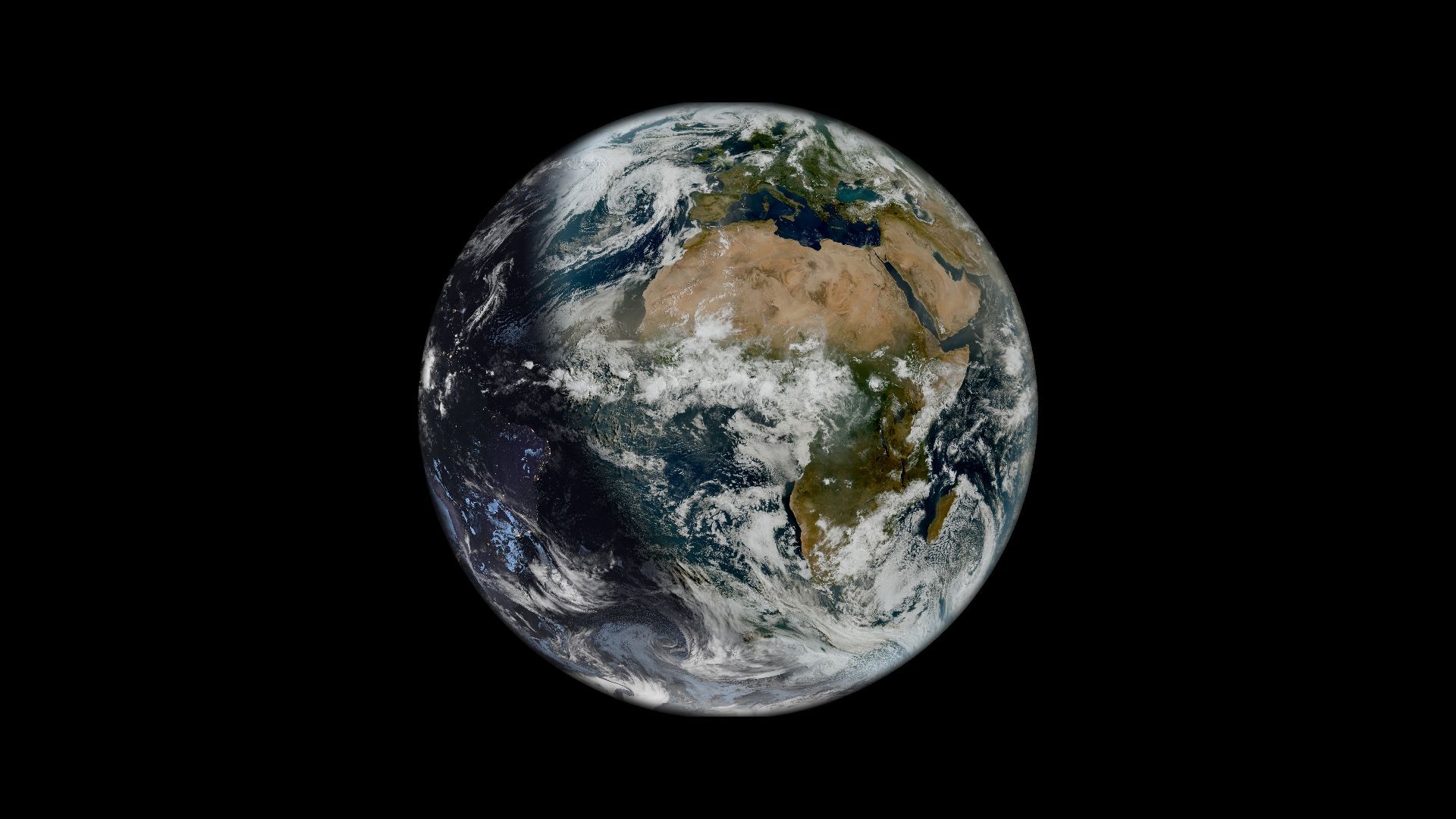
ESA's Meteosat satellite captures summer solstice from space
Nighttime and daytime collide on the longest (or shortest) day of the year.
 space.com·14d ago
Comments
Sign in to join the conversation.
No comments yet. Be the first.