
























 Baker's Take
Reflect Orbital Gets FCC Nod for Sun-Reflecting Satellite, Astronomers Cry Light Pollution

By
Mr Bagel
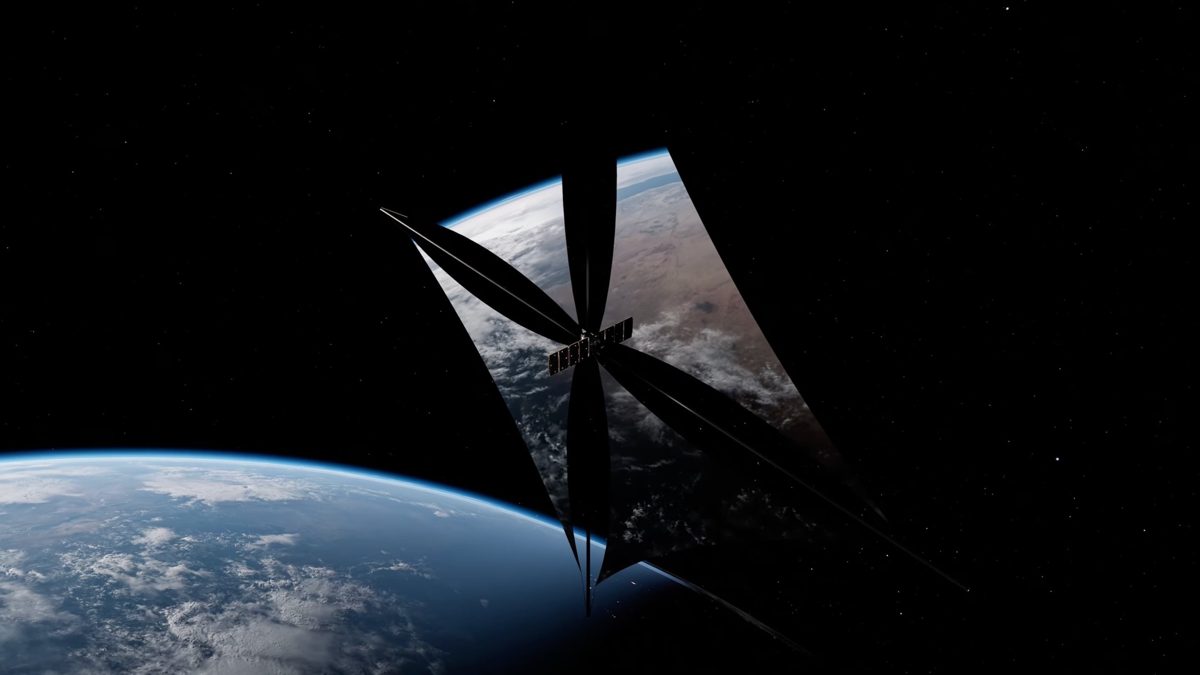
The Federal Communications Commission has granted a California startup permission to launch a satellite that will use a giant mirror to beam sunlight onto Earth after dark, overruling a wave of objections from astronomers. PCMag reported that the FCC approved Reflect Orbital's Earendil-1 satellite on Thursday, despite fierce opposition. The reflected light is expected to illuminate a patch of ground roughly three miles wide, raising concerns about light pollution and its impact on scientific observation.

"the most controversial aspect of Reflect Orbital's Earendil-1 satellite, the giant mirror, falls out of its purview since the regulator mainly focuses on radio spectrum."
PCMag noted that the FCC explicitly stated that the optical reflection element is not within its regulatory authority, which centers on radio spectrum usage. This distinction effectively sidestepped the core of astronomers' complaints, who had argued that the mirror would interfere with night sky observations and add to the growing problem of space-based light pollution.
The approval is limited to a single test satellite for now, but according to PCMag, it "opens the door for future deployments that could significantly impact astronomical observations and night skies." The startup's ultimate vision involves a constellation of mirror satellites capable of delivering targeted sunlight to solar farms or other ground locations after dusk, a concept that has drawn both commercial interest and scientific alarm.
Astronomers had filed a flood of objections with the FCC, warning that even one bright mirror satellite could create streaks in telescope images and disrupt sensitive observations. PCMag reported that the regulators did not directly address those concerns, instead focusing on the technical radio-frequency parameters of the satellite's communication systems, which met the commission's standards.
As Reflect Orbital moves toward launch, the debate highlights a growing tension between commercial space innovation and the preservation of dark skies for astronomy and the public. The Earendil-1 mission is now set to test whether a mirror in low Earth orbit can reliably reflect sunlight to a target on the ground, with no clear regulatory framework yet in place to govern the environmental and scientific impacts of such reflected light.
The reporting
2 outlets covered this story. Each links to the original.

Comments
Sign in to join the conversation.
No comments yet. Be the first.