
























Family businesses need a warm heart and a cool head
4h agopt
From the article
Patrícia Cardim Ana Paula Paiva/Valor A fourth-generation member of the family that runs Centro Universitário Belas Artes de São Paulo, an institution that will turn 101 in 2026, CEO Patrícia Cardim is an advocate of family management, but she does not lose sight of sustainable business growth. “I have always worked in a family business. That was my school,” she told Stela Campos, Valor’s career editor, and Thiago Barbosa, digital products manager at CBN, on the “CBN Professional” podcast. “But I wish someone had told me that this type of management involves tough love. It took me a while to understand that.” Cardim says many Belas Artes students are part of companies run by relatives and want to stay in the business, but tell her that “they can’t work with family.” She says she tells them it is all part of a maturing process and that they should stay with their companies. “I believe in family businesses, in doing business with a warm heart and a cool head, in knowing how to separate things,” she sums up. “That is my advice: stand your ground and move forward.” At least, that is what she did. When she was 26—she is now 43—she faced a dual challenge: her father, a lawyer by training who had run the educational institution for more than 50 years, fell ill, and she was called upon to replace him as head of the group founded in 1925. The situation caught her by surprise. “I did not expect it at all,” she recalls. She says she is the second of four siblings and expected her brother to take over the school one day. “I liked fashion and spent a lot of time at Belas Artes, which for me was like a big toy box, where I lived inside the library and the labs.” The executive began working in the education group at age 15. Cardim says she asked to work and went through every area of the educational organization, from archives of documents and old diplomas to treasury, collections, and legal. It was her father’s idea, she admits. “He made me work in every department,” she says. “I sat in meetings on topics I did not like, but he insisted it was ‘part of the process.’ So we did not have an ‘organized’ succession. It unfolded as needs arose.” The CEO says the situation ultimately gave the family a chance to face a new phase in the business. “My father continues to lead the institution, and I report to him, but these days much more from a distance,” she says. The scenario created an opportunity to discuss wills, succession, and governance, she adds. “In practice, it was grassroots governance, carried out inside the school, with the family gathered and organizing what the legacy of this institution would be—a legacy much larger than ourselves. The family serves the institution, not the other way around.” A graduate in fashion design from Belas Artes and in business administration from Bond University in Australia, with additional training from the Fashion Institute of Technology (FIT) and Parsons School of Design in the United States, Cardim says she identified early on the values she would instill in the company she would lead. “The institution’s greatest asset is its faculty. They are the ones who personalize what Belas Artes is,” she says. The school’s academic side has always been considered the icing on the cake by the family, she adds. “My father says, ‘If you want butterflies, take care of the garden.’ Our garden is the faculty.” The early start at work did not intimidate her, she says. “I was very young when I started, but I already had the team’s respect; I knew everyone,” she says. “To this day, I have the habit of listening, of sitting at people’s desks. Our large meeting table, for example, has no head; no one sits at the head of the table. We have six directors, and I think I listen more than I speak.” Even as an advocate of open dialogue, Cardim notes that the operation has always relied on hierarchy, a hallmark also extended to students. “Sometimes, we think that at an art education institution, students have a more constructivist foundation,” she says. “But no. The hierarchy is very clear, and the teacher is the commander of the classroom.” In managing a school with more than 1,000 courses and 8,500 students, she stresses that overcoming challenges is part of the job. “I have always been extremely shy and had to put myself in the middle of the arena,” says Cardim, who holds a master’s degree in communication. She cites an occasion when she asked a provost to deliver a message to faculty members during a seminar, but at the scheduled time he was unable to convey it as intended. That was when she decided she would never again outsource a message for which she was the spokesperson. “I had to overcome this issue of public speaking,” she explains. “It is not a comfortable place for me, but I gradually desensitized myself because I knew I had to deliver the messages the way I wanted them delivered.” The need for social distancing during the COVID-19 crisis was another obstacle she helped the university overcome. “We had to learn how to teach online,” she recalls. “Teachers with digital skills began teaching the others. They were called ‘angel groups.’ They had to reinvent themselves and, to me, they were the giants of the pandemic.” In the full episode of the podcast, available on CBN’s website, on Spotify and Apple Podcasts, and on Valor’s and CBN’s YouTube channels, she also talks about the founding of Belas Artes, how the institution stopped being philanthropic and became a for-profit enterprise, and what role artificial intelligence will play in the classroom and in the market for creative professionals. Translation: Todd Harkin
Continue reading on Extra OnlineYou might also wanna read


“Trabajar en favor de las mujeres significa trabajar por las familias”: universidad peruana fortalece red de emprendedoras con UNIDAS
Infobae·3h ago

Geração Z enfrenta desafios no mercado de trabalho por falta de habilidades comportamentais, apontam especialistas
A geração Z enfrenta desafios no mercado de trabalho devido à falta de habilidades comportamentais (soft skills) como comunicação, adaptabil
 www1.folha.uol.com.br·23d ago
Virginia Fonseca revela depressão na primeira gestação e culpa entre trabalho e maternidade
Influenciadora e empresária Virginia Fonseca revela que enfrentou depressão durante sua primeira gestação, confessando que não queria ser mã
 f5.folha.uol.com.br·17d ago
Mansano: el emprendimiento peruano de chocolates que pasó de ventas familiares a 145 tiendas OXXO
Mansano es un emprendimiento peruano fundado por las hermanas Harumi y Akemi Miyasiro, que comenzó con una inversión de S/5.000 y una barra
 elcomercio.pe·14d ago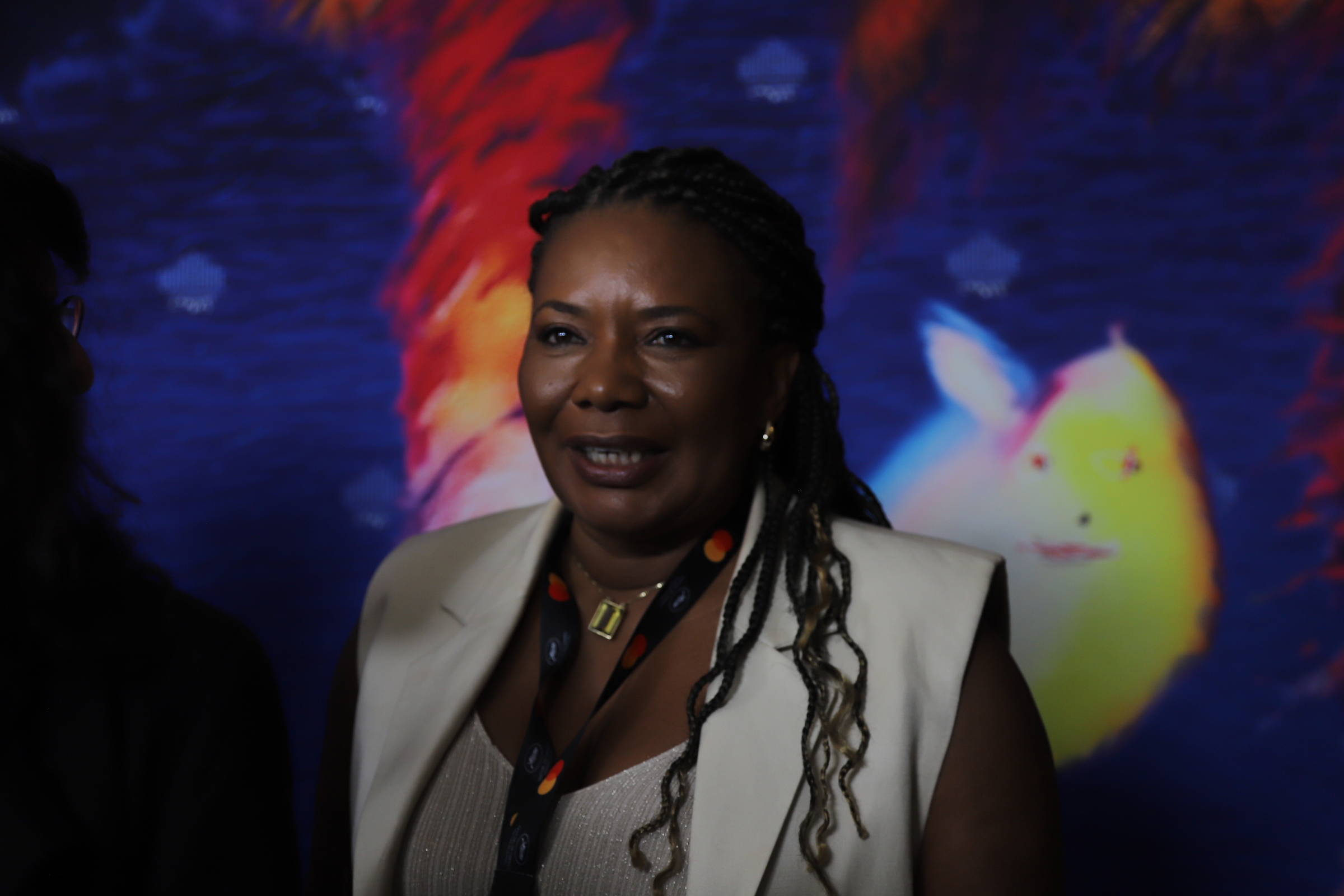
Margareth Menezes defende novo marco do fomento à cultura e rebate críticas sobre prestação de contas no MinC
Margareth Menezes, Ministra da Cultura, defende o novo marco do fomento à cultura no Brasil, rebatendo críticas sobre a prestação de contas
mla.bs·24d ago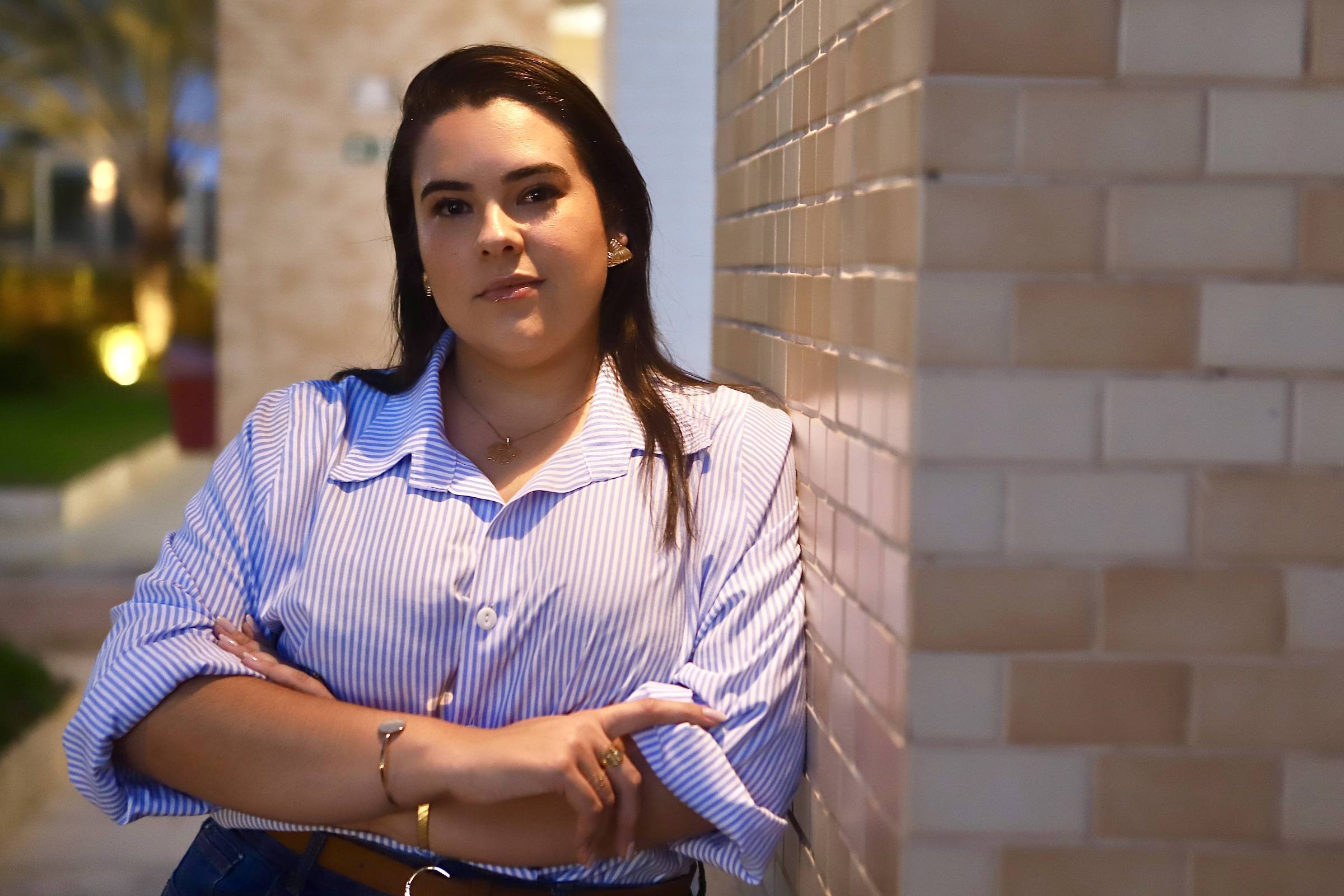
Mulheres brasileiras enfrentam sobrecarga entre trabalho formal e trabalho invisível doméstico
Artigo aborda a sobrecarga enfrentada por mulheres brasileiras que conciliam trabalho formal, empreendedorismo e cuidados domésticos e famil
www1.folha.uol.com.br·1mo ago
Comments
Sign in to join the conversation.
No comments yet. Be the first.