
























Exploring the Cultural and Historical Context of John Napier's Logarithms
I’ve been going down some odd rabbit holes recently while researching my free online book-in-progress The Lost Art of Logarithms. Although the book is mostly focused on the history, use, meaning, and…
Read the full articleYou might also wanna read


Where do numbers come from?
Richard Dedekind and the nature of numbers
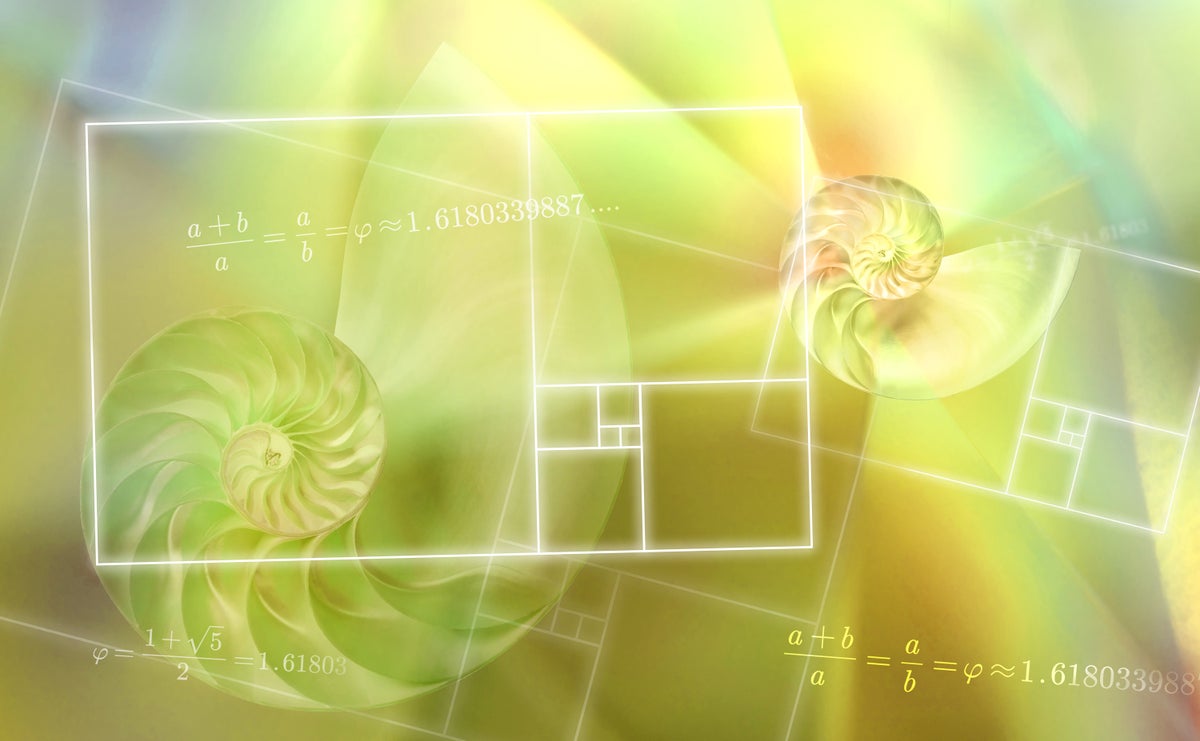
The hidden hierarchies of irrational numbers: Why some resist fraction approximation more than others
The quest to approximate irrational numbers with fractions reveals hidden patterns, surprising hierarchies and enduring mathematical mysteri
 scientificamerican.com·27d ago
Teaching resources: How ancient cultures shaped mathematics
From the ancient origins of zero to the paradox of motion, NOVA’s teaching resources immerse students in the wonder of math.
The unsolved mystery of the fastest way to multiply numbers
A 23-year-old student overturned an ancient conjecture about one of math’s simplest operations
scientificamerican.com·3d ago
The hardest floating-point logarithm to compute correctly
The floating point number that requires the most extra precision to compute correctly to the last bit.
 johndcook.com·22d ago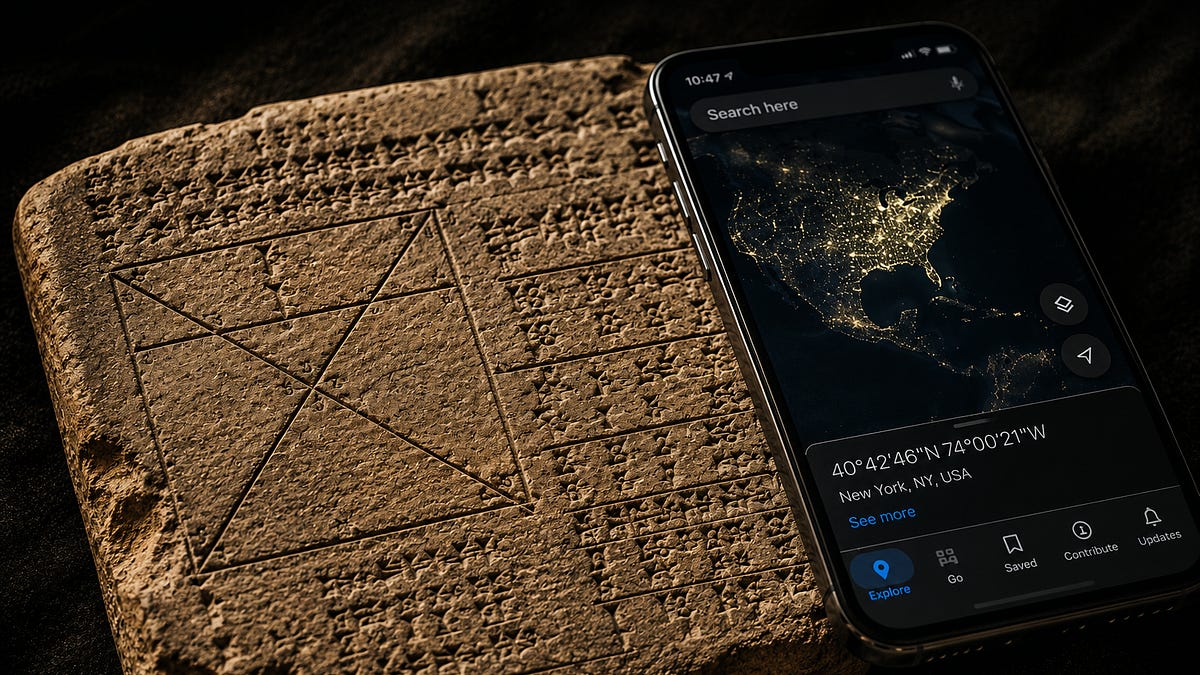
How Ancient Babylonian Base-60 Mathematics Still Powers Modern Time and GPS Systems
Look at the time. Whatever it says (2:47, 11:32, 8:15) you are using a 4,000-year-old invisible operating system.
 substack.com·1mo ago
Comments
Sign in to join the conversation.
No comments yet. Be the first.