
























Exploring Non-Verbal Thinking: How Mathematicians and Creatives Think Without Words
Non-verbal, blurry thinking is faster and can search in a broader way, but it is more error-prone than verbal thought.
Read the full articleYou might also wanna read


Boosting Designer Creativity Through Non-Design Activities
While it is clear that creativity is driven by both the left and right hemispheres, an important question remains: how can we boost creativi
 Smashing Magazine·1y ago
Teaching Computational Thinking to K-12 Students Without Computers
Teachers can help students recognize and practice computational thinking through a non-computer based design actvitiy.
 edut.to·21d ago
Why Fewer Ideas Can Lead to Better Creativity and Design
Remember that last team brainstorming session where you were supposed to generate a long list of brilliant ideas? How many of those ideas ac
Smashing Magazine·1y ago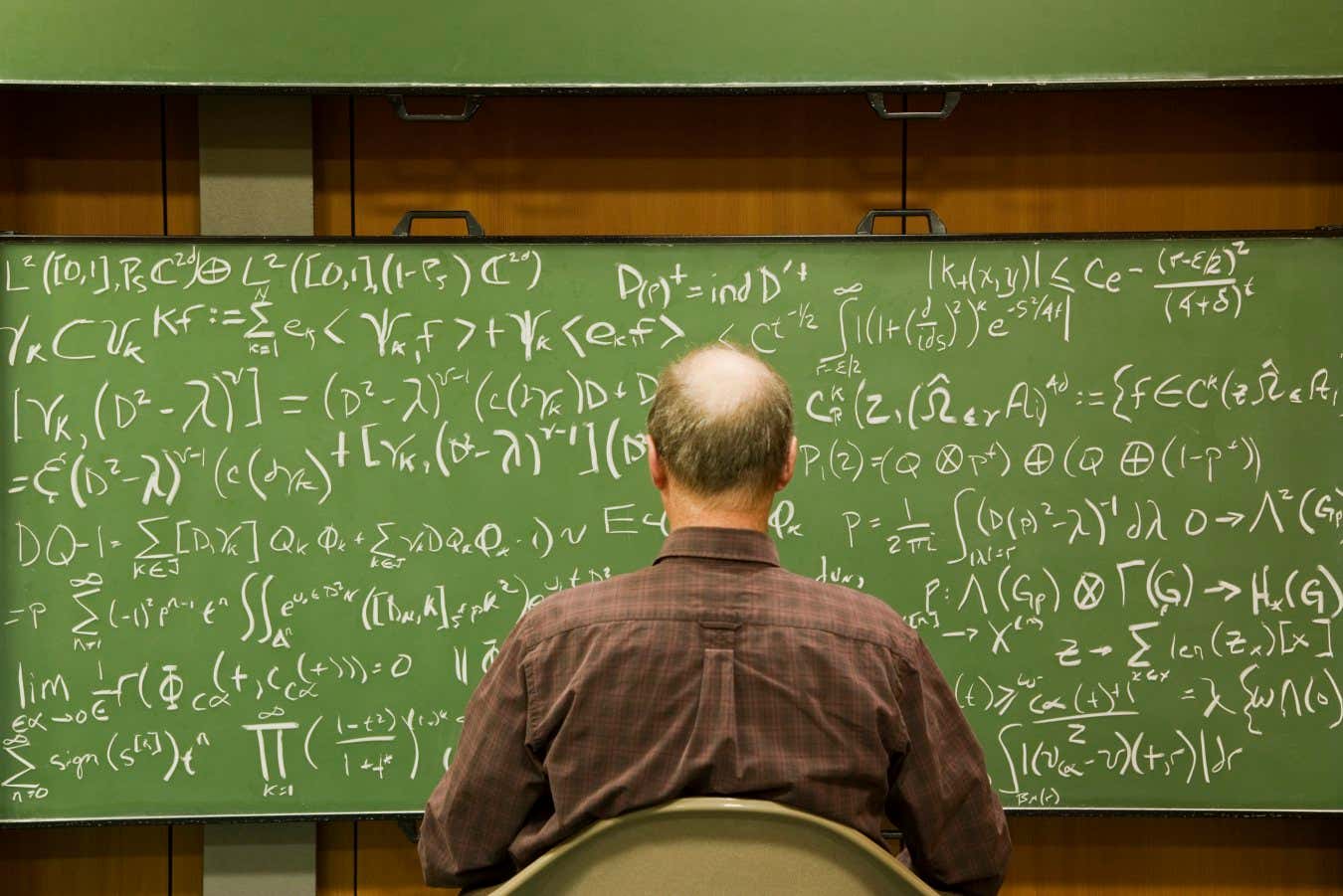
The non-constructive proof: How mathematicians solve problems without answering them
How can you have a proof without proving anything? Mathematicians found a way and, in the process, came to blows over it – but 100 years on,
 newscientist.com·5d ago
Teaching Computational Thinking to K-12 Students Without Computers
Teachers can help students recognize and practice computational thinking through a non-computer based design actvitiy.
 edutopia.org·24d ago
Bending, breaking, and blending: The three cognitive tools behind human innovation
Bending, breaking, and blending are enduring tools for innovation.
 psychologytoday.com·1mo ago
Comments
Sign in to join the conversation.
No comments yet. Be the first.