
























Exploring FORTH and Associative Languages as Better Fits for Transformer Architectures
Imagine you have to generate the word that succeeds this colon: ___
Read the full articleYou might also wanna read


IBM researchers break up with traditional transformers in new gen AI model architecture
IBM researchers propose a novel architecture for light-weight generative AI models.

Transforming Multi-Robot Control with Modular AI
A transformer-based architecture shows promise in improving control across diverse robot morphologies. The innovation lies in using modular
Loop Engineering: Building Reliable AI Agents Through Stacked Loops and LangChain Instrumentation
Agents automate real-world work, but reliable performance requires more than a good model, it requires a carefully designed harness built fo
 langchain.com·24d ago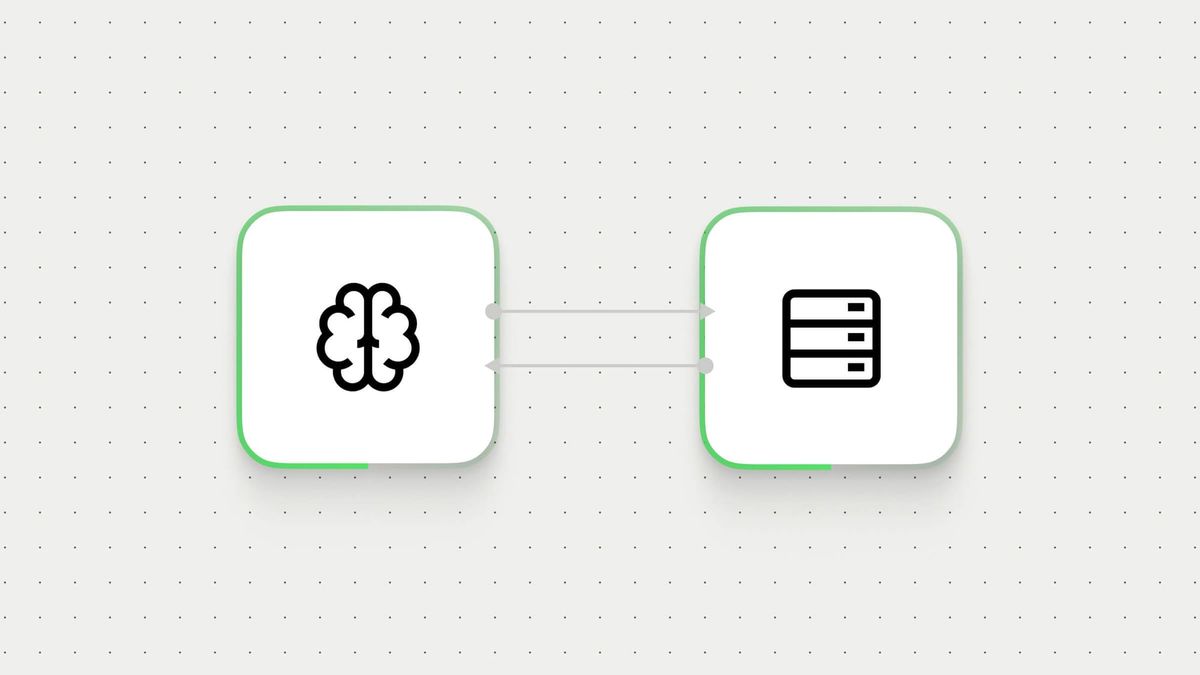
LLM Memory Architecture: Trade-offs and Implementation Strategies for Production AI Agents
Learn how to architect persistent, scalable memory into AI systems with this technical breakdown of LLM memory types and failure modes.
 blog.n8n.io·21d ago
Separating Problem Solving from Code Generation: Evaluating LLMs on Competitive Programming Through Natural-Language Editorials
Large Language Models (LLMs) increasingly succeed on competitive programming problems, yet existing evaluations conflate algorithmic reasoni
 arxiv.org·11d ago
Loop Engineering: The shift from prompting AI agents to designing recursive systems
You don't really need to be good at prompting anymore. The thing to get good at is the loop that does the prompting for you. It's five build
 addyosmani.com·1d ago
Comments
Sign in to join the conversation.
No comments yet. Be the first.