
























GPU starvation explained: How legacy storage bottlenecks high-performance accelerators
By
Robin Birtstone
Summary
This explainer article discusses GPU starvation — a phenomenon where powerful GPUs sit idle not because of the chips themselves, but due to legacy storage architectures that cannot feed data fast enough. It argues that storage should be treated as an active throughput engine rather than a passive archive, and that outdated storage systems are the bottleneck choking modern GPU performance.
Source

 bskyGPU starvation explained: How legacy storage bottlenecks high-performance acceleratorstheregister.com
Key quotes
· 3 pulledWhen your accelerators sit idle, the problem usually isn't the chips. It's everything between them and the data.
Rather than thinking purely about GPU performance, it's time to think about storage as an active engine for throughput, rather than a passive archive.
A starved GPU is an accelerator waiting around with nothing to do because data isn't arriving quickly enough.
You might also wanna read

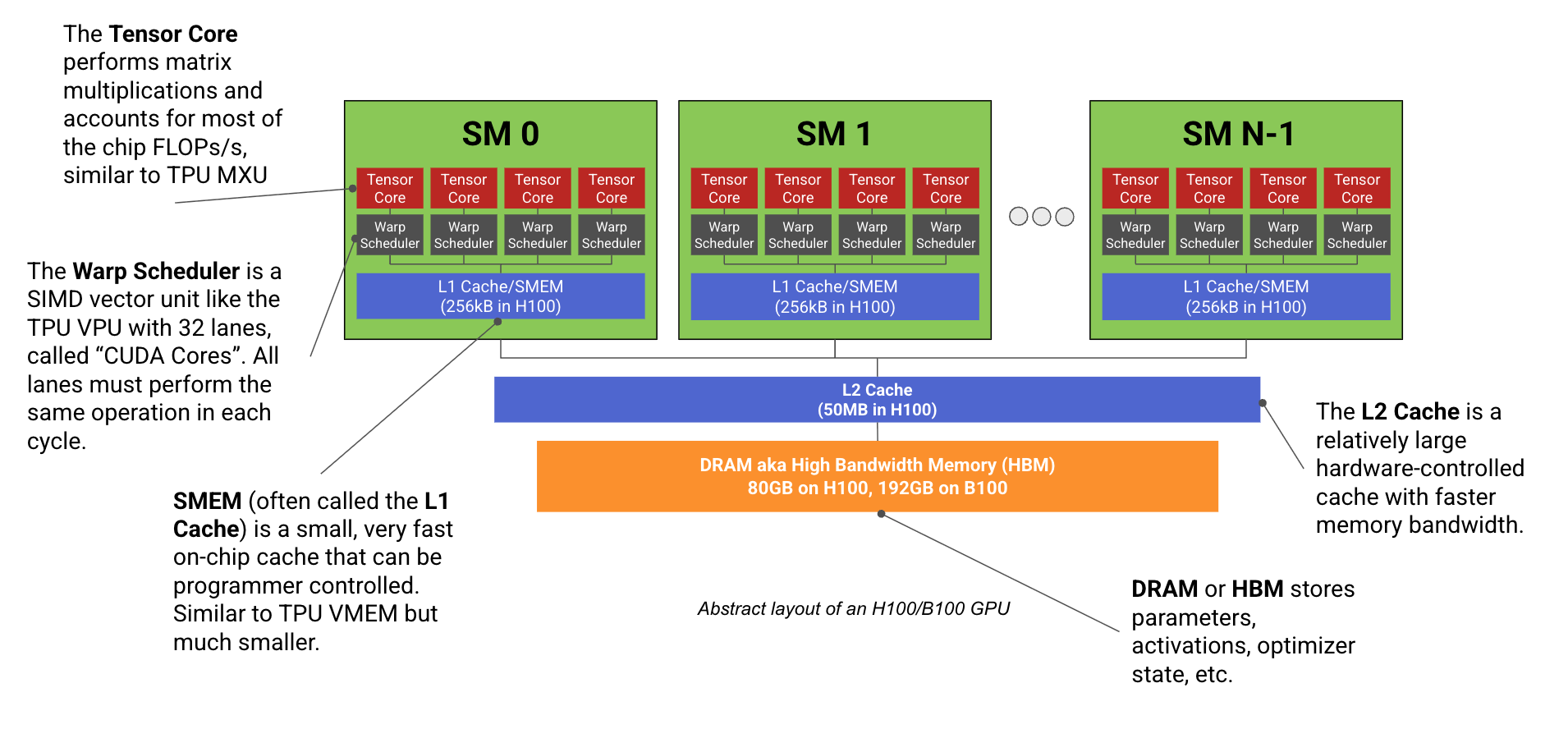
Understanding Modern GPU Architecture for Machine Learning: H100 and B200 Technical Analysis
This article provides a technical deep dive into modern GPU architecture, specifically focusing on NVIDIA GPUs like H100 and B200 used for m
 jax-ml.github.io·10mo ago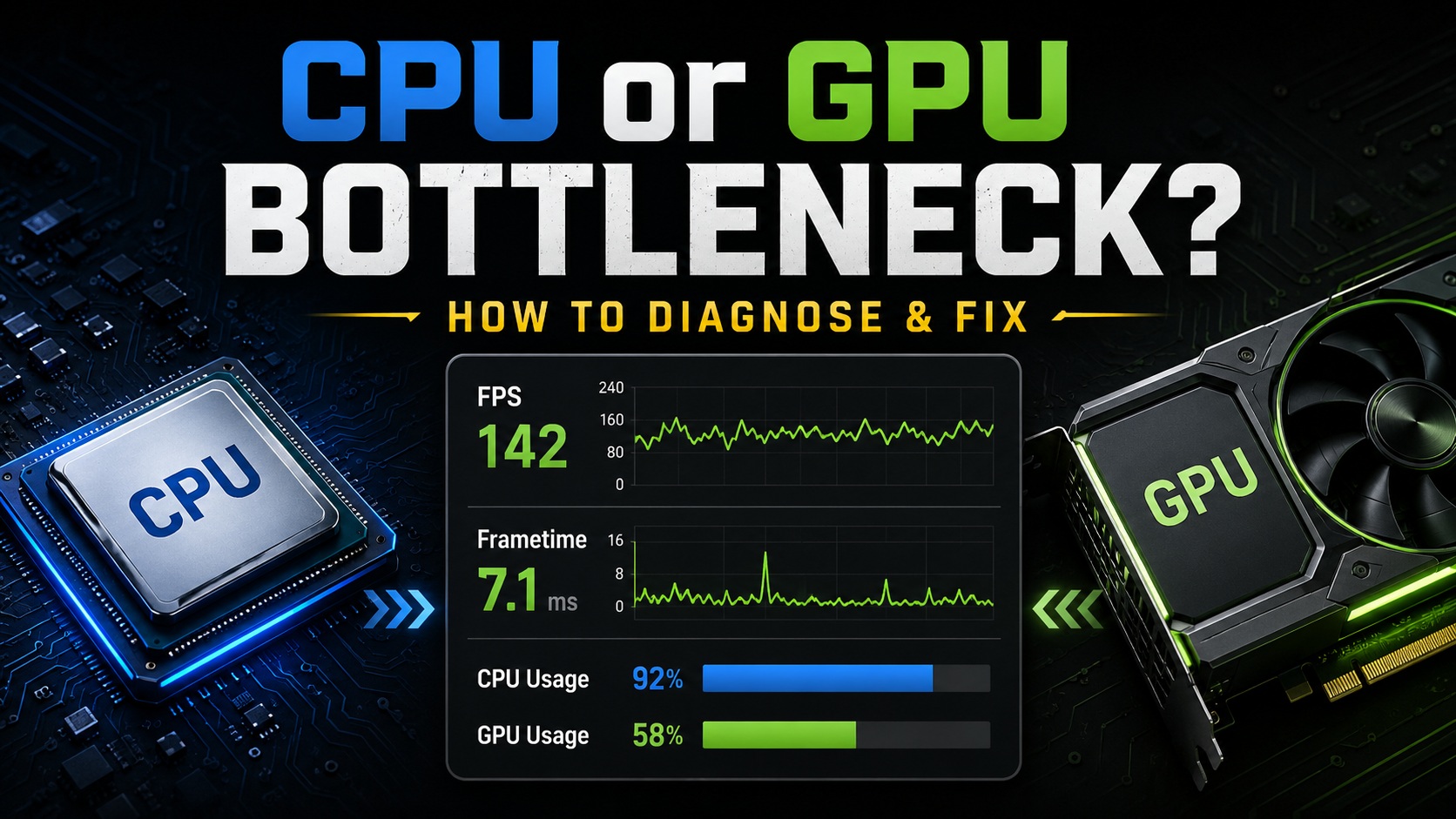
How to Diagnose CPU vs. GPU Bottlenecks in PC Gaming Performance
This article explains how to diagnose whether a CPU or GPU bottleneck is limiting gaming performance. It clarifies that bottlenecks are dyna
 wccftech.com·4d ago
Disk Access Outperforms Memory Caching in Modern Hardware Systems
This technical article challenges conventional computer science wisdom by demonstrating that sourcing data directly from disk can be faster
 bitflux.ai·9mo ago
Measuring GPU Memory Bandwidth: Technical Insights from Hardware Microbenchmarks
Traverse Research shares insights from measuring memory bandwidth of various GPUs using microbenchmarks. The article covers GPU hardware bac
 evolvebenchmark.com·10mo ago
AMD Strix Halo Memory Subsystem: Balancing CPU and GPU Demands for Mobile Performance
The article analyzes AMD's Strix Halo mobile processor, focusing on its memory subsystem challenges in balancing CPU and GPU demands. It exa
 chipsandcheese.com·7mo ago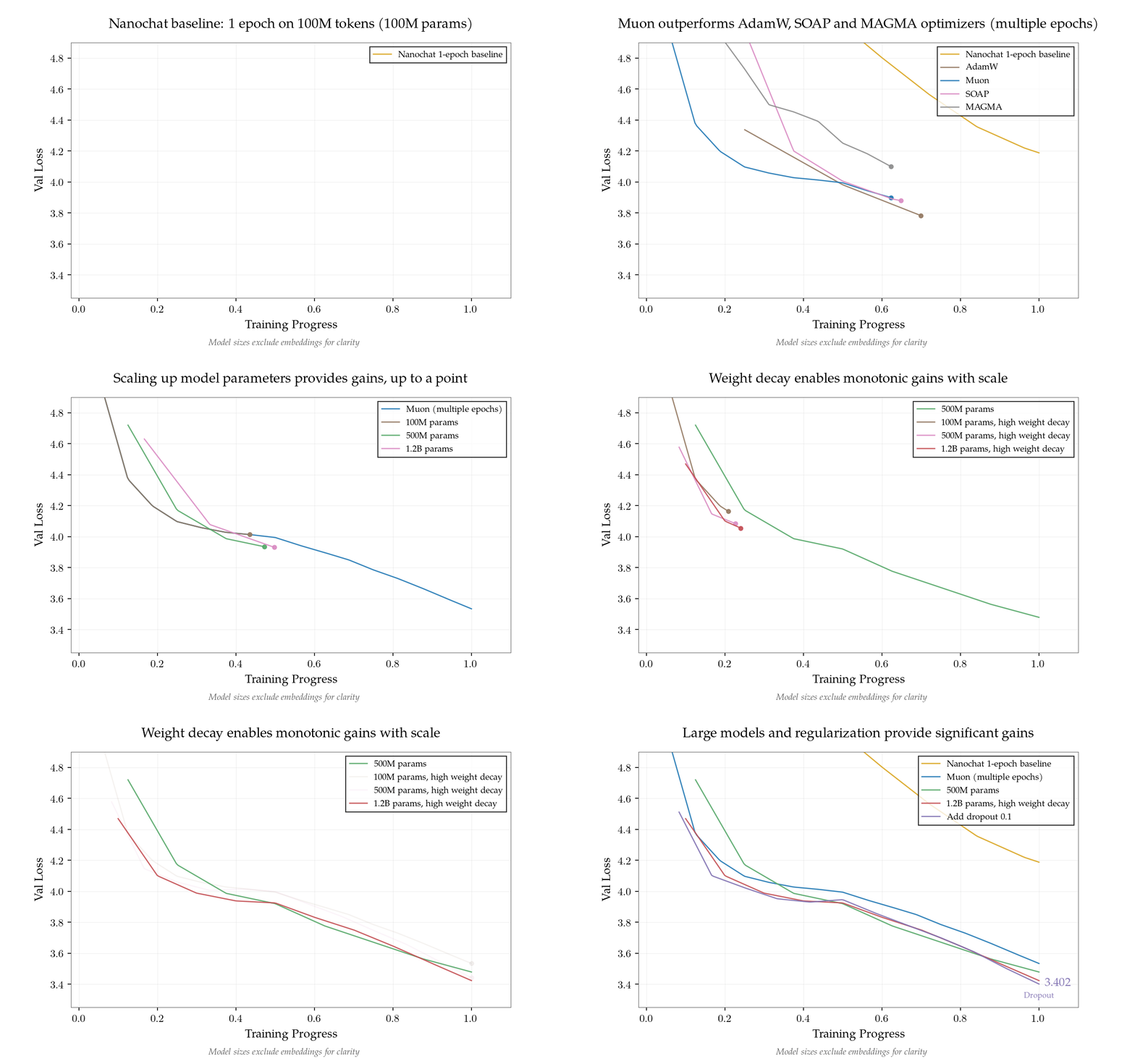
Data Scarcity as the Emerging Bottleneck in AI Scaling and Intelligence Development
The article discusses the asymmetry between compute and data growth in AI development, arguing that while compute capacity grows rapidly, da
Comments
Sign in to join the conversation.
No comments yet. Be the first.