
























Exoplanets in the Antarctic Sky. V. The Second Data Release of AST3-II/CHESPA and Newly Found Variables within the Southern Continuous Viewing Zone of TESS
Bixuan Zhao et al 2025 ApJS 278 47 Data for more than 85,000 bright stars have been released from the AST3-II telescope, which is positioned on Dome A, the highest point on the Antarctic plateau. The…
Read the full articleYou might also wanna read


Candidate Giant Planet Detected in Habitable Zone of α Cen A via JWST Observations
We report on coronagraphic observations of the nearest solar-type star, $α$ Cen A, using the MIRI instrument on the James Webb Space Telesco
 arxiv.org·11mo ago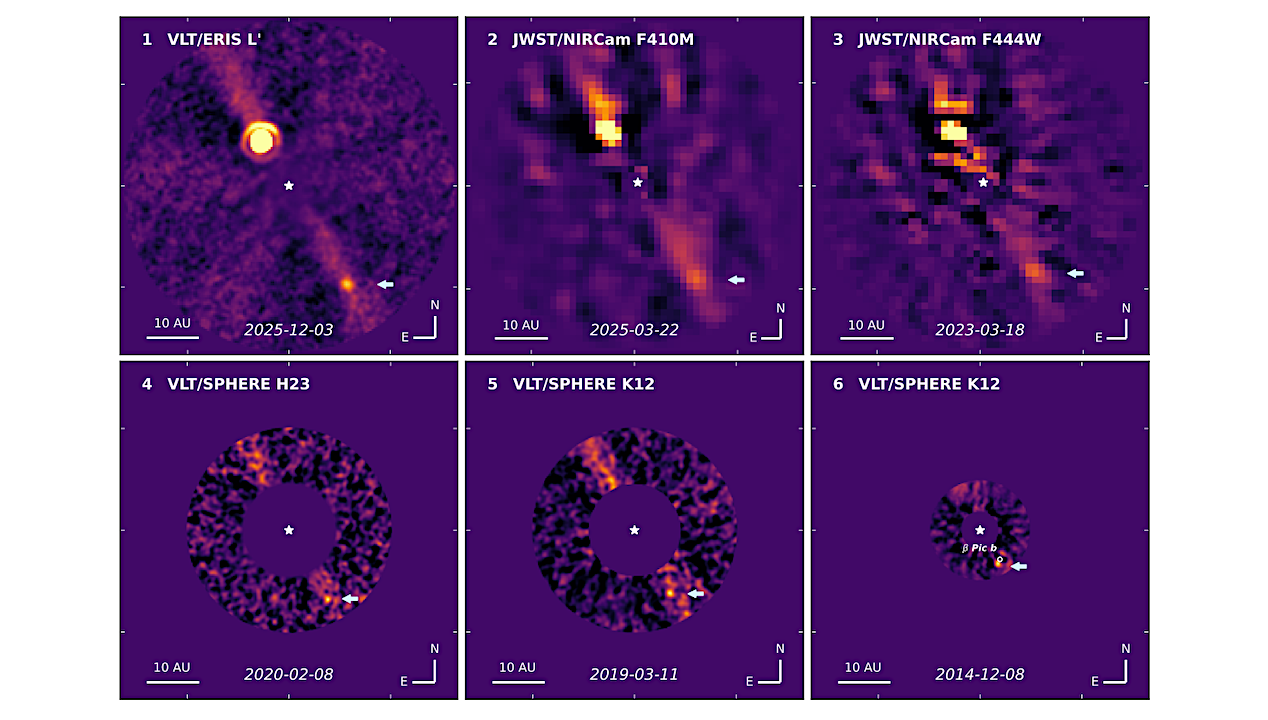
Astronomers Directly Image Third Giant Exoplanet in β Pictoris System
We report the direct imaging discovery of a third exoplanet in the β Pictoris system.
 astrobiology.com·15d ago
Isotopic Evidence for a Cold and Distant Origin of the Interstellar Object 3I/ATLAS
Interstellar objects provide the only directly observable samples of icy planetesimals formed around other stars, and can therefore provide
arxiv.org·4mo agoSouth Pole Telescope analysis releases new catalog of more than 7,000 galaxy clusters
Researchers working with data from the South Pole Telescope have released a major catalog of galaxy clusters, giving scientists a powerful n

TESS Data Used to Create Largest-Ever Catalog of Stellar Rotation Periods for Over a Million Stars
A recent study has leveraged TESS's full-sky coverage to build a catalog of stellar rotation periods for over a million stars.
 aasnova.org·8d ago
TESS Data Used to Create Largest-Ever Catalog of Stellar Rotation Periods for Over a Million Stars
A recent study has leveraged TESS's full-sky coverage to build a catalog of stellar rotation periods for over a million stars.
AAS Nova·8d agoTESS Data Used to Create Largest-Ever Catalog of Stellar Rotation Periods for Over a Million Stars
A recent study has leveraged TESS's full-sky coverage to build a catalog of stellar rotation periods for over a million stars.
aasnova.org·8d ago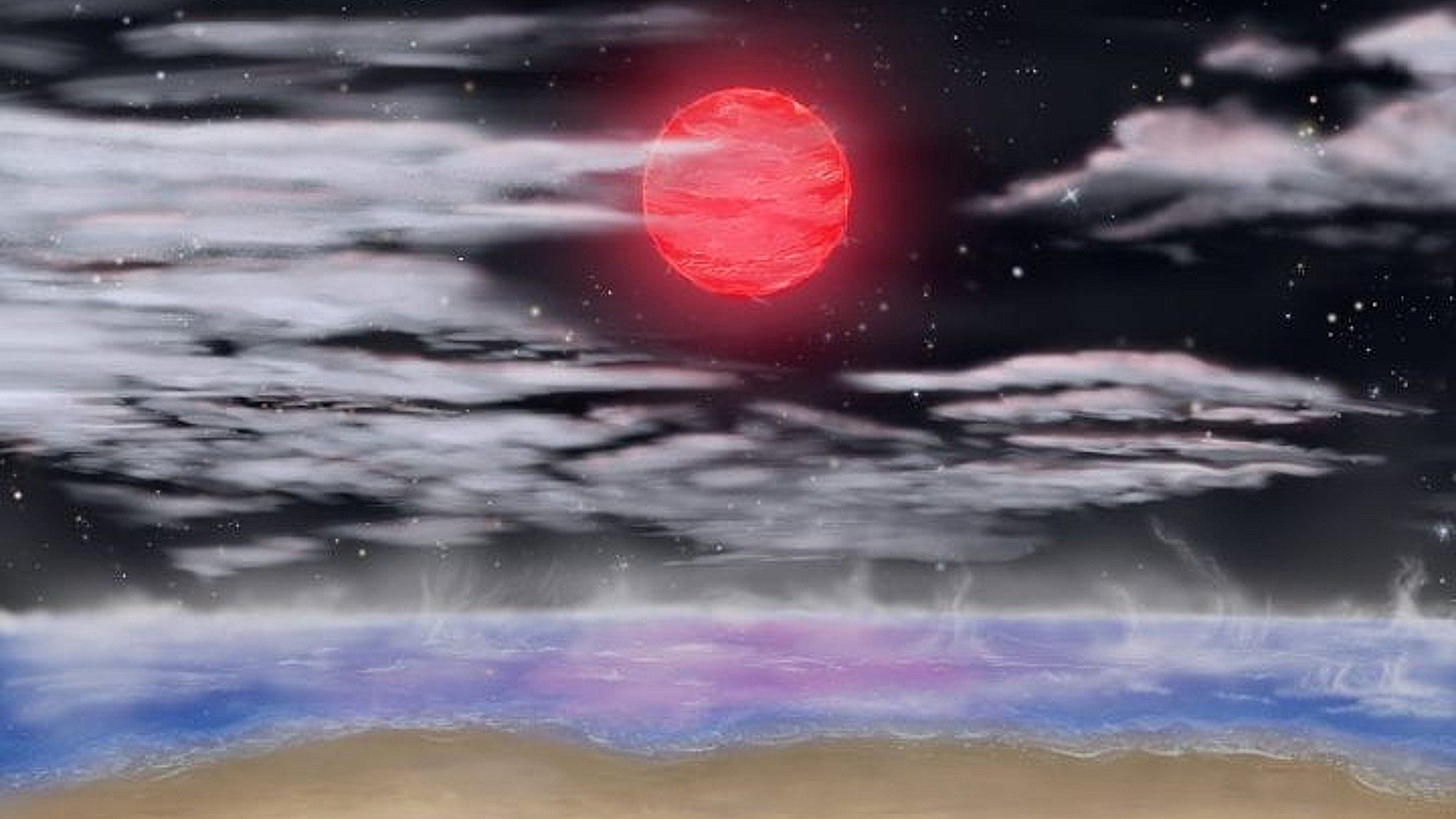
Potentially habitable rocky exoplanet GJ 3378b discovered 25 light-years away in red dwarf's habitable zone
The planet, designated GJ 3378b, orbits the faint red dwarf star in the constellation of Camelopardalis, the Giraffe.
 space.com·7d ago
Potentially habitable rocky exoplanet GJ 3378b discovered 25 light-years away in red dwarf's habitable zone
The planet, designated GJ 3378b, orbits the faint red dwarf star in the constellation of Camelopardalis, the Giraffe.
Space·7d ago
Comments
Sign in to join the conversation.
No comments yet. Be the first.