
























Examining the Feasibility of Replacing Cache Services with Databases
Why do we use caches at all? Can databases fully replace them?
Read the full articleYou might also wanna read


Why Database Utilization Remains High Despite Adding a Cache
You deployed a cache in front of your database three weeks ago. The DB is still running at 90%...
 cstu.io·23d ago
Real-time Databases: What developers need to know
Real-time databases hide painful tradeoffs in the fine print. Read this before you commit to one.

Buffer Pools, Caches, and the Memory Hierarchy
## Query Engine Optimization - Table of Contents 1. [How Query Engines Think: The Tradeoffs Behind Every Data System](/posts/2026-04-29-quer
SQLite for Production: When and How to Use It Beyond Prototyping
Practical guide to running SQLite in production: performance, limits, tuning (WAL/PRAGMA), replication tools and migration signs.
Why we built an Edge benchmarking tool for Turso
We often get questions like this, and it's hard to properly convey in writing the potentially drastic latency differences between a typical
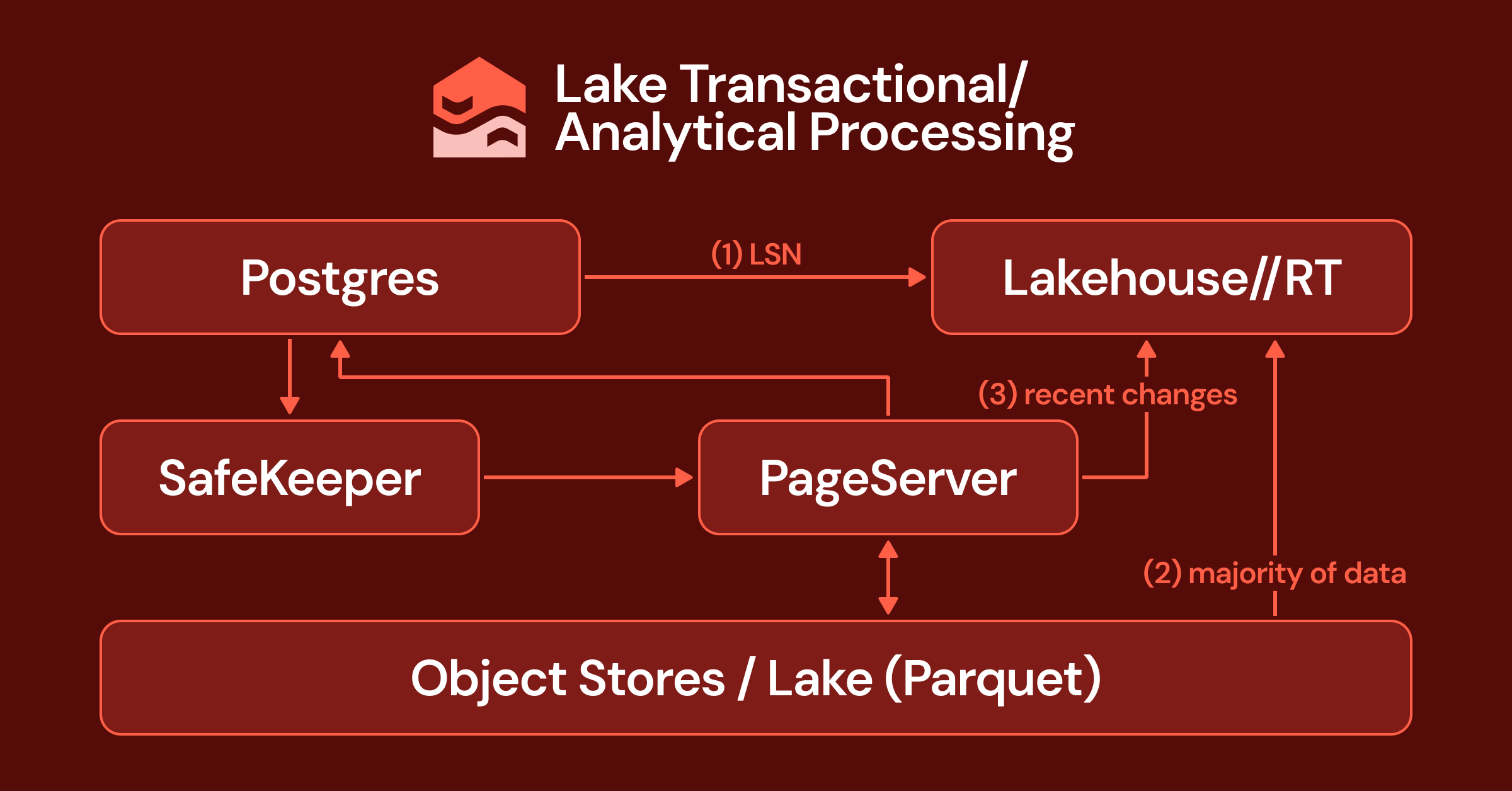
Rethinking database architecture: From monolithic storage to Lakebase and LTAP
* Almost every traditional database keeps its write-ahead log and data files on one machine's disk, which is the root cause of data loss ris
 databricks.com·16d ago
Rethinking database architecture: From monolithic storage to Lakebase and LTAP
* Almost every traditional database keeps its write-ahead log and data files on one machine's disk, which is the root cause of data loss ris
databricks.com·16d ago
Comments
Sign in to join the conversation.
No comments yet. Be the first.