
























EWG testimony to California Assembly Committee on Environmental Safety and Toxic Materials on AB1603 to restrict and ban the use of PFAS pesticides
From the article
EWG testimony to California Assembly Committee on Environmental Safety and Toxic Materials on AB1603 to restrict and ban the use of PFAS pesticides rcoleman July 9, 2026 Good morning, Mr. Chairman and members of the Committee. Thank you for the opportunity to testify today. My name is David Andrews, and I am the Acting Chief Science Officer at the Environmental Working Group. I hold a Ph.D. in Chemistry from Northwestern University and have been a co-author on ten peer-reviewed publications on PFAS, including a 2024 paper that identified EPA-approved PFAS pesticides. PFAS—often called "forever chemicals"—pose serious, well-documented health risks. Exposure to this class of chemicals is linked to altered immune and thyroid function, liver and kidney disease, reproductive problems, child development delays, cancer and more. The Department of Toxic Substances Control has stated that all PFAS share the core hazard trait of extreme environmental persistence. And what may surprise you is that our food is a primary, under regulated route of exposure. PFAS pesticides fall into a regulatory blind spot. The EPA’s and the California Department of Pesticide Regulations’ current regulatory evaluation of PFAS pesticides have NOT adequately evaluated the pesticides’ potential for immune system harm, or fully assessed the impacts of the very small PFAS, including trifluoroacetic acid or TFA, that form from PFAS pesticides. Levels of these small PFAS are increasing in our water, food and environment and exposure to them is linked to reproductive and immune toxicity. North Carolina ground water testing found TFA in 95% of their samples, and it is estimated that PFAS pesticide use in California creates up to 600,000 pounds of TFA each year. These findings should alarm California, which will likely find similar contamination when official tests are done. In regard to food, EWG recently found that nearly 40% of all non-organic produce grown right here in California contains traces of at least one PFAS pesticide. For some agricultural staples such as peaches, plums and nectarines, the numbers are even higher. Fortunately, farmers have options that are not PFAS. Of the roughly 1,000 active pesticide ingredients currently approved for use in California, only 53 are PFAS. Thank you. Areas of Focus Toxic Chemicals Pesticides PFAS Chemicals Authors David Andrews, Ph.D. April 14, 2026
Continue reading on Environmental Working GroupYou might also wanna read
US Food and Drug Administration Rejects Petition To Set PFAS Limits In Food
Slashdot·15h ago


FDA rejects petition to set limits on toxic PFAS chemicals in food
The US Food and Drug Administration has rejected a legal petition calling for limits on toxic PFAS "forever chemicals" in food, despite scie
 The Guardian·1d ago
FDA rejects petition to set limits on toxic PFAS chemicals in food
The US Food and Drug Administration has rejected a legal petition calling for limits on toxic PFAS "forever chemicals" in food, despite scie
theguardian.com·1d agoFDA rejects petition to set limits on toxic PFAS chemicals in food
The US Food and Drug Administration has rejected a legal petition calling for limits on toxic PFAS "forever chemicals" in food, despite scie
theguardian.com·1d ago
Succession fight under way as Bernie Sanders calls for Platner to drop out of Maine Senate race – US politics live
The Guardian·1d ago
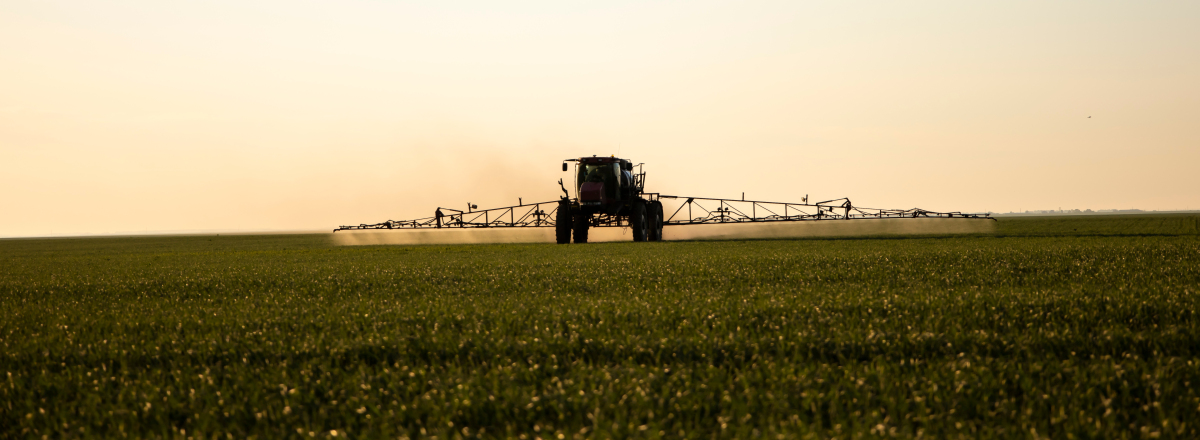
EPA Approves New Pesticides Despite Health and Environmental Concerns, Center for Food Safety Says
The article reports that the EPA under the Trump administration approved several new pesticides (fluoxapiprolin, epyrifenacil, trifludimoxaz
 centerforfoodsafety.org·7d ago
Toxic Chemicals in US Water and Food
theearthandi.org·17d ago
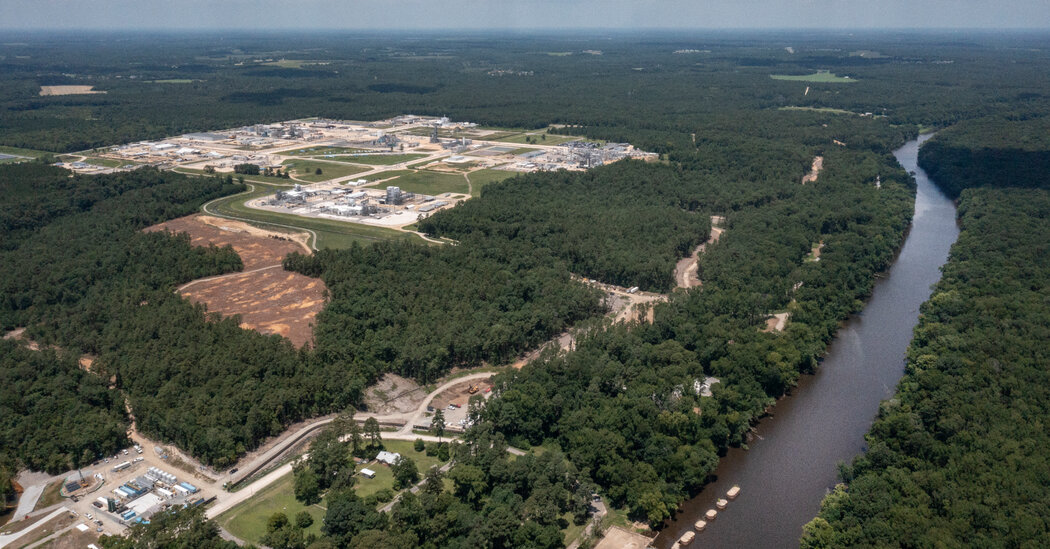
Chemours Reaches $450 Million Settlement With EPA Over PFAS Dumping in Three States
The Trump administration is moving to settle a landmark environmental case with Chemours over its illegal dumping of PFAS "forever chemicals
 zurl.co·9d ago
Comments
Sign in to join the conversation.
No comments yet. Be the first.