
























Study identifies two distinct autism subtypes based on brain connectivity patterns
By
Michael Marshall
Summary
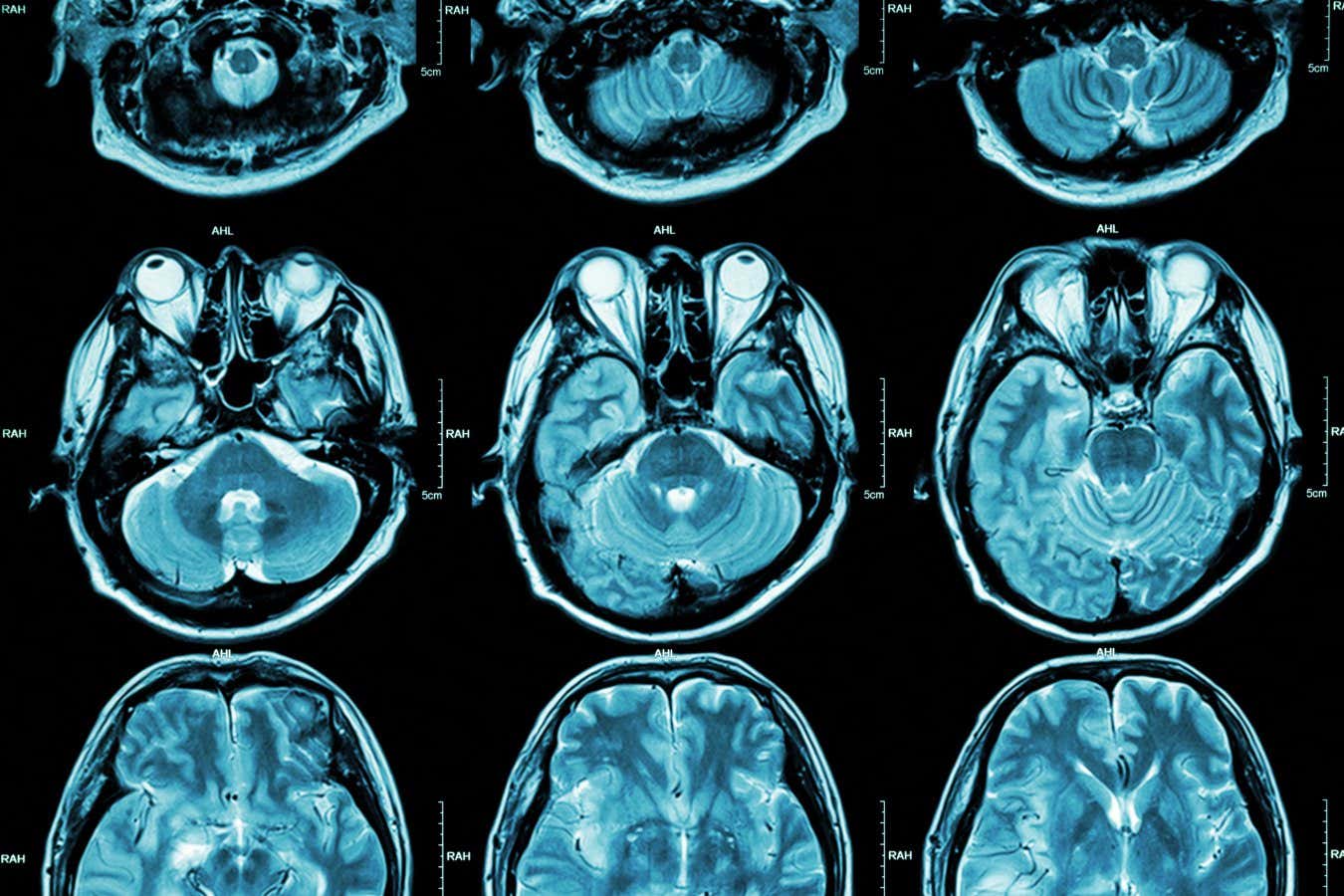
Researchers have identified two distinct subtypes of autism based on brain connectivity patterns. One subtype shows unusually strong connections between brain regions, while the other shows weakened links. These different connectivity patterns are associated with different biological mechanisms, supporting the growing evidence that autism encompasses several distinct subtypes rather than being a single condition. The research was led by Alessandro Gozzi at the Italian Institute of Technology.
Source
 Twitter / XStudy identifies two distinct autism subtypes based on brain connectivity patternsnewscientist.com
Key quotes
· 2 pulledWe were able to demonstrate that there are different dominant subtypes of autism that are associated with different biology
Some autistic people seem to have unusually strong connections between different regions of their brain, while others have weakened links
You might also wanna read


Understanding Autism as a Spectrum: Why Diverse Experiences Require Tailored Approaches
The article argues against treating autism as a single condition, emphasizing that it encompasses a diverse spectrum of experiences. It high
 economist.com·6mo ago
Study Finds Molecular Difference in Autistic Brains: Fewer Glutamate Receptors
Yale School of Medicine researchers have discovered that autistic brains have fewer of a specific type of glutamate receptor compared to neu
 medicine.yale.edu·5mo ago
Understanding Differential Diagnosis: When Autism Symptoms Overlap with Other Psychiatric Conditions
The article discusses the challenges of differential diagnosis in psychiatry, particularly focusing on how autism spectrum disorder can be c
 psychiatrymargins.com·6mo ago
Analysis: Autism Diagnosis Increase Linked to Weaker Diagnostic Standards, Not Actual Prevalence Rise
The article argues that the apparent increase in autism diagnoses is not due to an actual rise in autism prevalence, but rather results from
 marginalrevolution.com·5mo ago
A Collection of Chronic Medical Conditions Common in Autistic and ADHD Adults [pdf]
Object personification in autism: This paper will be sad if you don't read
Comments
Sign in to join the conversation.
No comments yet. Be the first.