
























Europe’s Mars rover may land in the remains of a vast ancient water system
New orbital mapping suggests Rosalind Franklin’s Oxia Planum landing site is part of a clay-rich region hundreds of kilometres wide, raising the possibility that it records a much larger watery…
Read the full articleYou might also wanna read


ESA's Rosalind Franklin rover to search for ancient life signs in Martian clay at Oxia Planum
ESA's Rosalind Franklin rover will investigate possible signs of life in Martian clay.
 Space·7d ago
ESA's Rosalind Franklin rover to search for ancient life signs in Martian clay at Oxia Planum
ESA's Rosalind Franklin rover will investigate possible signs of life in Martian clay.
space.com·7d agoESA's Rosalind Franklin rover to search for ancient life signs in Martian clay at Oxia Planum
ESA's Rosalind Franklin rover will investigate possible signs of life in Martian clay.
space.com·7d agoESA's Rosalind Franklin rover to search for ancient life signs in Martian clay at Oxia Planum
ESA's Rosalind Franklin rover will investigate possible signs of life in Martian clay.
Space·7d ago
Rosalind Franklin rover instrument passes key test for detecting ancient life on Mars
The hunt for ancient life on Mars just got an important test run. Scientists confirmed that the Rosalind Franklin rover's sophisticated inst
 worldnewsguru.us·7d ago
This Mars rover could finally reveal whether life ever existed on Mars
The hunt for ancient life on Mars just got an important test run. Scientists confirmed that the Rosalind Franklin rover's sophisticated inst
NASA’s Perseverance Rover Reads Record of Ancient Mars Impacts
Old rocks exposed on the rim of Jezero Crater preserve a roughly 4-billion-year-old cosmic “weather report” from the solar system’s most dyn

Perseverance Rover Provides A Record of Ancient Mars Impacts
[NASA] Old rocks exposed on the rim of Jezero Crater preserve a roughly 4-billion-year-old cosmic “weather report” from the solar system’s m
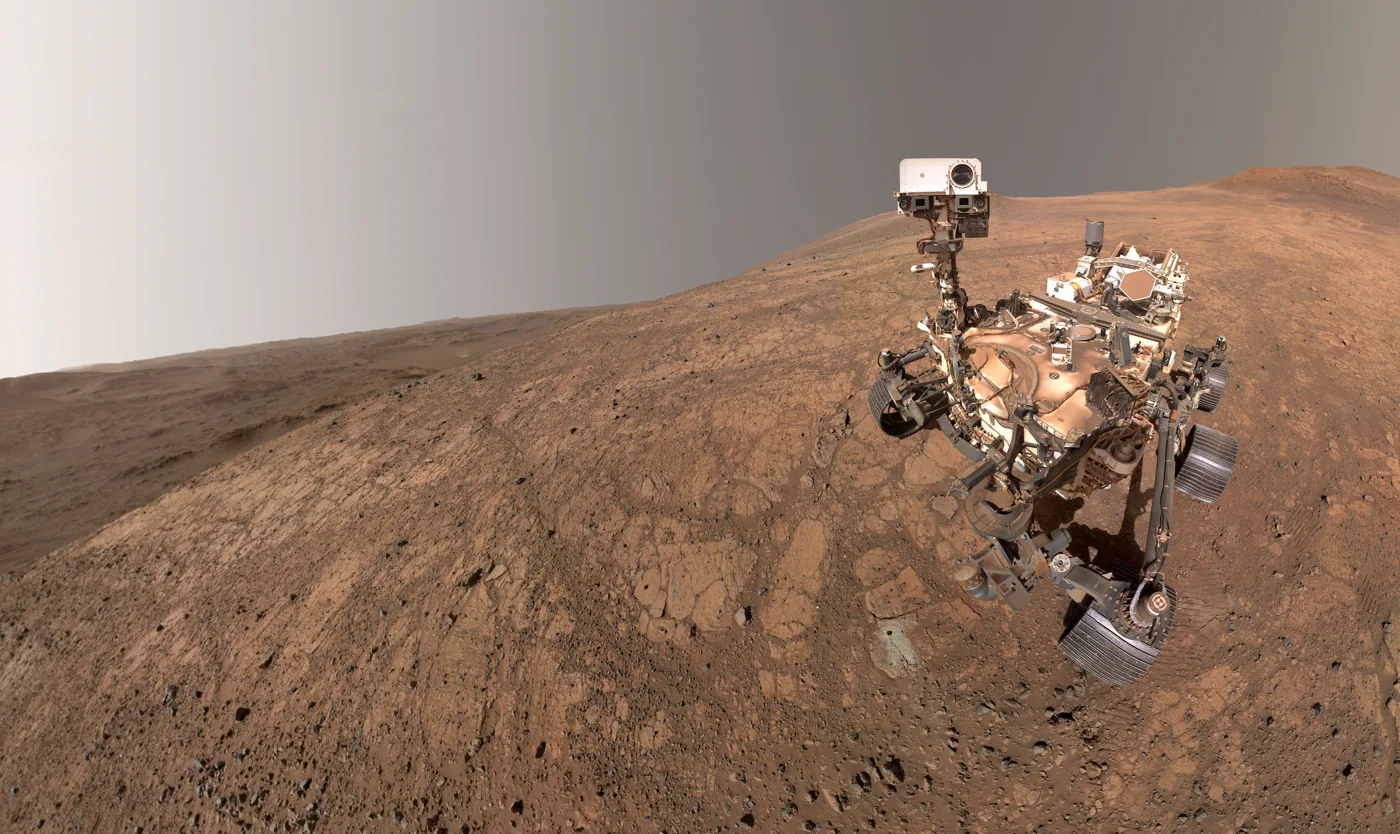
NASA's Perseverance Rover Finds Evidence of Ancient Asteroid Impacts in Mars' Jezero Crater Rim
Old rocks exposed on the rim of Jezero Crater preserve a roughly 4-billion-year-old cosmic “weather report” from the solar system’s most dyn
 jpl.nasa.gov·1d ago
Comments
Sign in to join the conversation.
No comments yet. Be the first.