
























European Solar Inverters Ban To Hit 14% European Solar, 28 GWdc PV inverter Demand: Study
From the article
The European market is set to take a hit from the recent European Commission decision to ban PV inverters and power conversion systems (PCS) from China and other countries. Through the ban, the Commission seeks to address the dominance of Chinese vendors in Europe's inverter market, where Chinese suppliers accounted for over 80% of inverter shipments to Europe in 2025. The latest Wood Mackenzie report noted that the decision will most affect countries in Central and Eastern Europe, where EU funding is more prevalent. Romania, Bulgaria, Czechia, the Baltic states, and Greece are among the most exposed markets. Moreover, Wood Mackenzie anticipates that around 14% of forecast European solar PV demand from 2026 to 2030, totalling over 28 GWdc of PV inverter demand, may be affected. Additionally, the report notes that high-risk, EU-funded clean energy projects could also be affected. Previously, a separate Wood Mackenzie report highlighted the dominance of Chinese companies among the world's top solar inverter manufacturers. The report noted that Chinese companies accounted for 16 of the 23 leading manufacturers. However, suppliers from Europe, North America, and Japan maintained competitive positions through differentiated technologies, established service networks, and a strong regional market presence. According to a new analysis from Wood Mackenzie, the decision could potentially affect 12% of forecast energy storage deployments over the same period, with utility-scale storage facing the greatest exposure. Critically, the European Commission is also asking EU Member States to adopt this restriction for any solar and energy storage projects receiving funding from their own national budgets. If Member States comply, the share of affected capacity would expand significantly beyond the current estimates. Project Costs Are Affected Modestly, Ranging from 2% to 8% While inverter cost premiums for European-made alternatives are substantial, Wood Mackenzie's analysis indicates that the overall impact on total project costs will be more modest, ranging from 2% to 8%, depending on the market segment. The effects of the ban will also extend beyond EU borders, with utility-scale solar projects in North Africa, the Middle East, and the Caspian region subject to the restriction if they receive EU institutional financing. Additionally, pending revisions to the EU Cybersecurity Act could expand the ban to cover all solar PV inverters and storage power conversion systems (PCS), regardless of the source of funding, which would dramatically broaden the scope of the restrictions. “However, cost is not the only disruptive factor,” said Joe Shangraw, research analyst at Wood Mackenzie. “Procurement complications, design changes, and the forced unbundling of integrated battery-inverter systems present additional challenges, particularly in price-sensitive Eastern European markets.” "This ban represents a meaningful shift, with around 4 GW to 5 GW of demand moving away from Chinese vendors each year through 2030,” said Juan Monge, principal analyst at Wood Mackenzie. “But it is important to keep that in context: roughly 80% of European solar and storage demand flows through private and nationally funded channels, where Chinese inverter dominance will remain intact for now. The real questions now are how the Commission will update the EU Cybersecurity Act to treat solar inverters as critical infrastructure and whether EU Member States will follow the Commission's lead and extend these restrictions to their own national funding programmes. If they do, the scale of disruption changes considerably.”
Continue reading on Saur EnergyYou might also wanna read


EU faces reality check as industry warns Chinese inverter phase-out is premature
The European Commission is pushing to ban Chinese-made power inverters from EU-funded energy projects due to cybersecurity concerns, fearing
 euronews.com·15d ago
European solar inverter manufacturing capacity exceeds 100GW, ranking second globally behind China
European inverter manufacturing capacity has surpassed 100GW, making Europe the largest inverter manufacturing region outside of China. Acco
 pv-tech.org·22d ago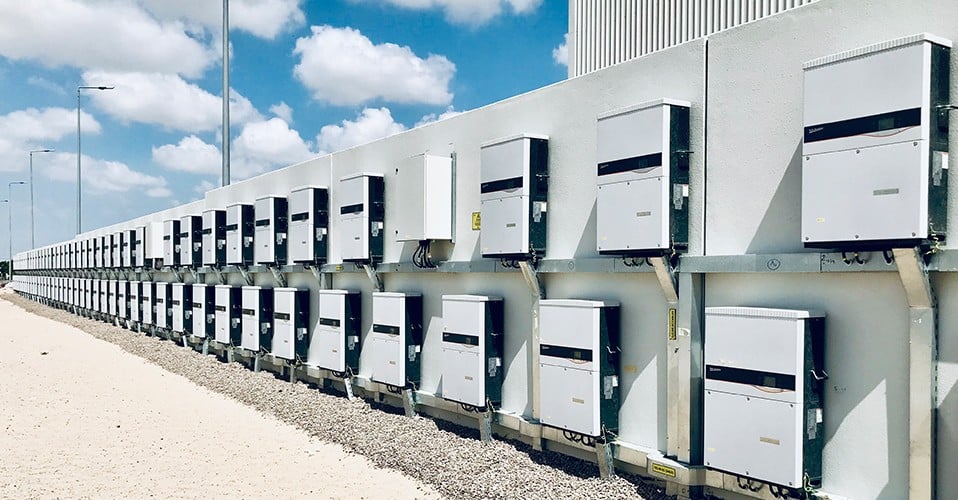
US reportedly drafting ban on Chinese solar inverters over grid cybersecurity concerns
The Trump administration is reportedly considering a ban on Chinese solar inverters, following the EU's lead which introduced a ban on publi
PV Tech·5d agoUS reportedly drafting ban on Chinese solar inverters over grid cybersecurity concerns
The Trump administration is reportedly considering a ban on Chinese solar inverters, following the EU's lead which introduced a ban on publi
pv-tech.org·5d agoPress Release | Report: Europe Must Complement Solar and Wind with Clean Firm Power
fcarchitects.org·12d ago

european-battery-market-outlook-2026-2030-1 - SolarPower Europe
 solarpowereurope.org·15d ago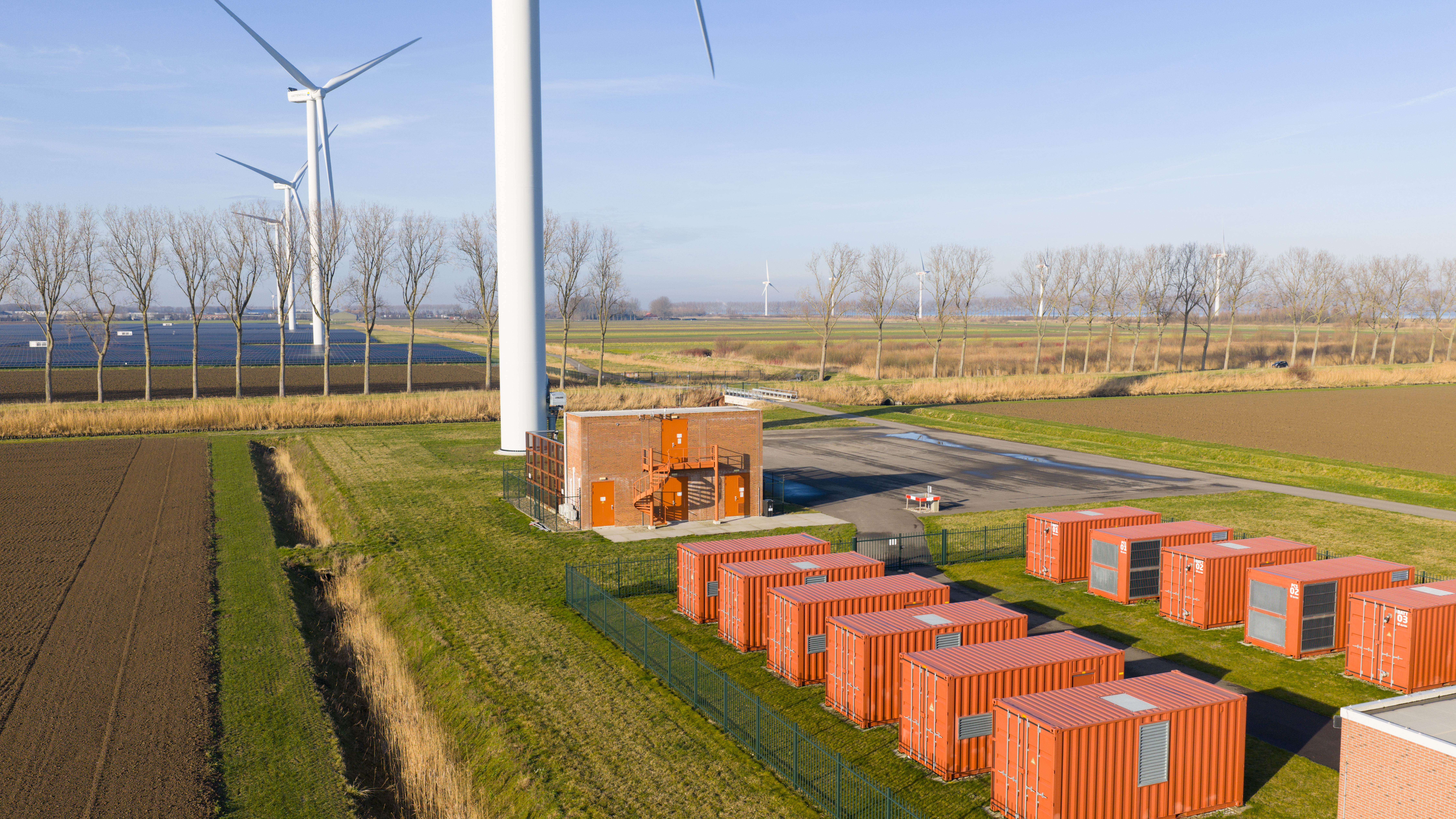
Long-duration energy storage could save Europe €250m per gigawatt annually, analysis finds
New analysis shows that deploying one gigawatt of long-duration energy storage (LDES) across Europe could generate €150-250 million annually
 edie.net·17d ago
Comments
Sign in to join the conversation.
No comments yet. Be the first.