
























European Commission Publishes Final Code of Practice for AI-Generated Content Labelling Ahead of EU AI Act
By
Edouard Fortunet
Summary
The European Commission published the final Code of Practice on marking and labelling AI-generated content on June 10, 2026. The voluntary Code provides a compliance pathway for providers and deployers of generative AI systems ahead of the EU AI Act's transparency obligations taking effect on August 2, 2026. It addresses transparency risks associated with synthetic and manipulated content created using AI and is expected to become an important reference for demonstrating compliance with Article 50 of the AI Act.
Source

 bskyEuropean Commission Publishes Final Code of Practice for AI-Generated Content Labelling Ahead of EU AI Actjdsupra.com
Key quotes
· 3 pulledOn June 10, 2026, the European Commission published the final Code of Practice (the "Code") on marking and labelling AI-generated content, providing a practical compliance pathway for providers and deployers of generative artificial intelligence ("AI") systems before the EU AI Act's transparency obligations take effect on August 2, 2026.
The Code is voluntary, but it will likely become an important reference point for demonstrating compliance with Article 50 of the AI Act.
The Code addresses transparency risks associated with synthetic and manipulated content created using AI
You might also wanna read


EU Parliament Delays AI Act Compliance Deadlines and Backs Ban on Nudify Apps
The European Parliament has voted to delay key compliance deadlines for the EU AI Act, pushing back requirements for high-risk AI systems un
 The Verge·3mo ago
EuConform: Open-Source Tool for EU AI Act Compliance with Risk Classification and Bias Detection
EuConform is an open-source tool designed to help organizations comply with the EU AI Act. It provides risk classification based on the Act'
 github.com·5mo ago
Open-Source Logging Infrastructure for EU AI Act Article 12 Compliance
The article discusses an open-source logging infrastructure solution designed to help companies comply with Article 12 of the EU AI Act, whi
 news.ycombinator.com·3mo ago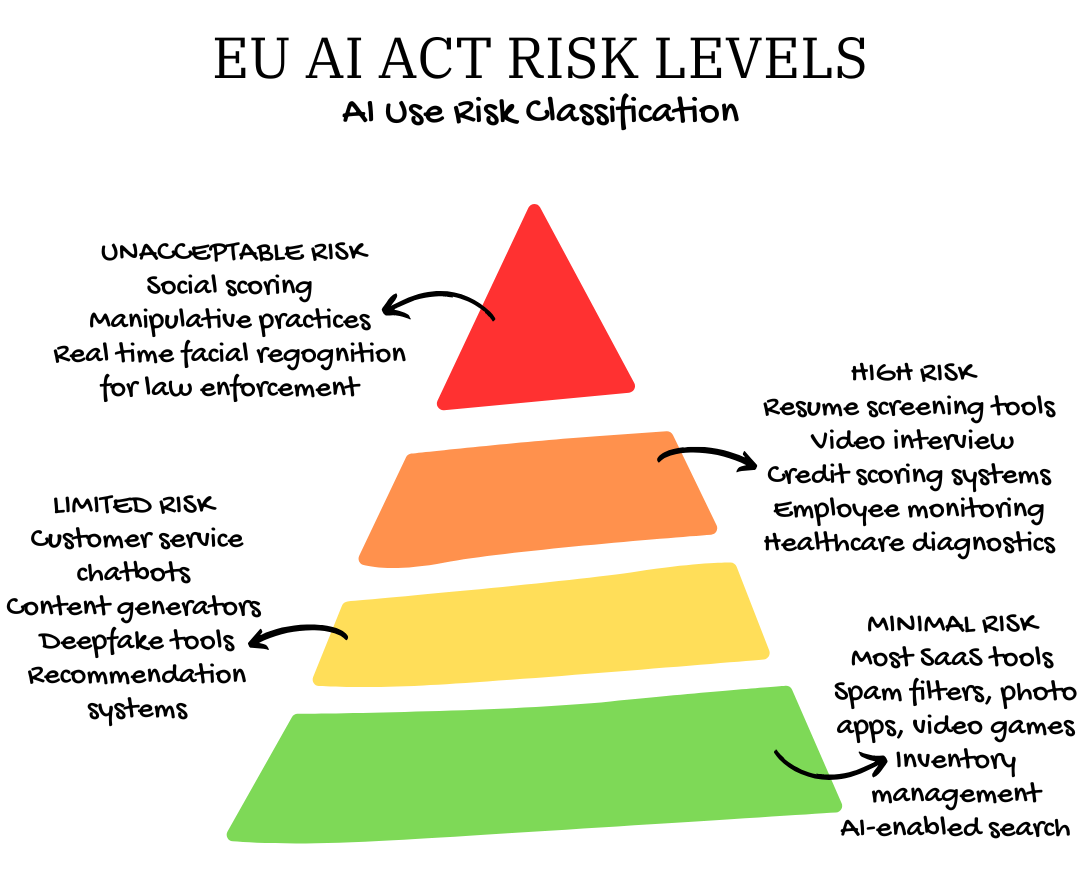
EU AI Act Compliance: Understanding High-Risk AI Applications and Regulatory Requirements
The article explains how the EU's AI Act classifies over 50 types of AI applications as "high-risk," including those used for hiring, custom
 medium.com·6mo ago
The Ethics of AI Transparency in Writing: When and How to Disclose AI Usage
The article discusses the ethical implications and social perceptions of using AI language models for writing, particularly focusing on the

Meta Platforms Rejects Europe's AI Agreement Over Growth Concerns
Meta Platforms refuses to sign the European Union's AI code of practice, citing concerns of overreach that could hinder company growth. Glob
cnbc.com·11mo ago
Comments
Sign in to join the conversation.
No comments yet. Be the first.