
























Escaping the Dust Trap: Simulations of Dust Dynamics in Protoplanetary Disks
The dust in protoplanetary disks is subject to complicated dynamical processes that impact planet formation. Recent simulations suggest that dust may be more freely moving within disks with planets…
Read the full articleYou might also wanna read

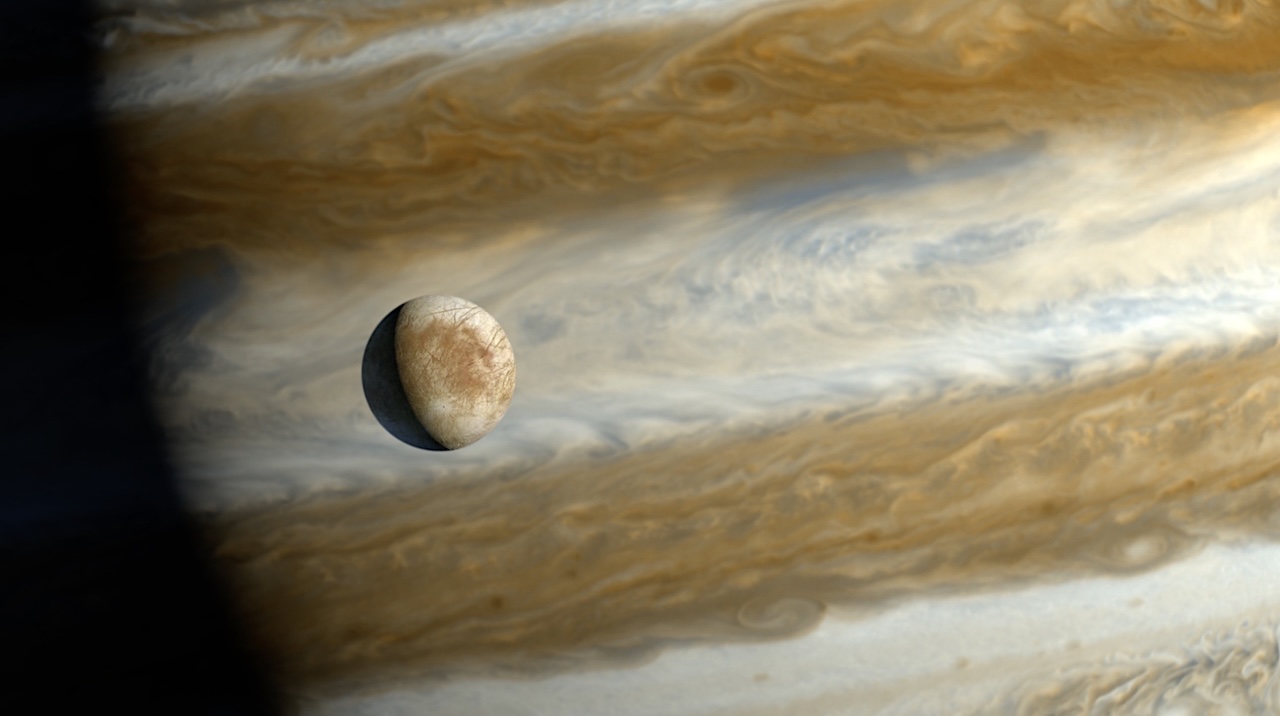
Study examines possibility of Earth bacteria reaching Europa's subsurface ocean via dust particles
The paper discusses the possibility of dust particles containing living bacteria ejected from Earth reaching Europa and landing on its surfa
 astrobiology.com·17d ago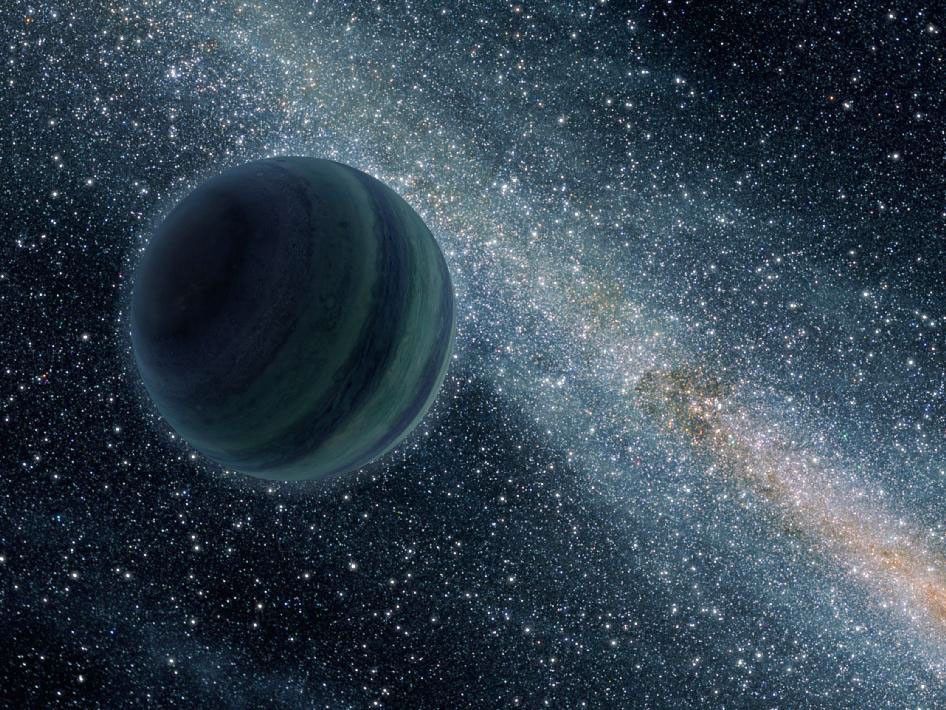
Free-Floating Neptunes May Not Be So Alone: Study Reveals Complex Planetary Family Histories
The galaxy seems to be full of free-range Neptunes, but a closer look reveals some complicated family dynamics in planetary systems.
 aasnova.org·13d ago
Free-Floating Neptunes May Not Be So Alone: Study Reveals Complex Planetary Family Histories
The galaxy seems to be full of free-range Neptunes, but a closer look reveals some complicated family dynamics in planetary systems.
AAS Nova·13d agoMuch of Earth's 'space dust' may come from unidentified near-Earth asteroids
Like a shelf in an old house, the Earth collects a lot of dust from its surroundings. This "space dust" is mostly made up of micrometeorites
There is a planet that survived the death of its star, and now we know how it did it.
The giant planet WD 1856 b, which survived a dead star, offers clues about atmospheres, orbital migration, and the distant future of our Sol

'The fate of Earth depends on a delicate balance': Our planet may survive the death of the sun after all, new models hint
When the sun dies, it will become hundreds of times its current size and engulf the innermost planets. Earth may escape this infernal fate,

Isotopic Evidence for a Cold and Distant Origin of the Interstellar Object 3I/ATLAS
Interstellar objects provide the only directly observable samples of icy planetesimals formed around other stars, and can therefore provide
 arxiv.org·4mo ago
Comments
Sign in to join the conversation.
No comments yet. Be the first.