
























Engagement, User Satisfaction, and the Amplification of Divisive Content on Social Media
A new study examines how social media algorithms amplify angry, partisan, and outgroup hostile content contributing to affective polarization.
Read the full article2y agoen
You might also wanna read

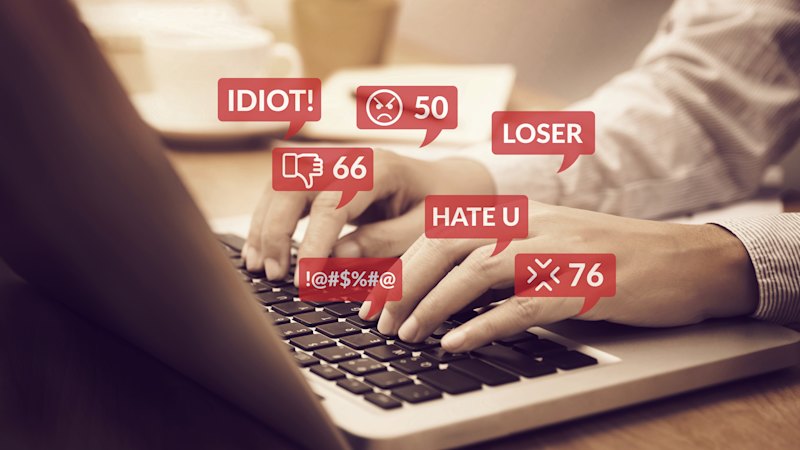
Ed Coper's 'Angertainment' examines how social media algorithms fuel outrage and addiction
Communications expert Ed Coper’s new book says yes, though his solutions might be a bit too optimistic for the average scroller.
 theage.com.au·1mo ago
How Social Media Intensifies US Polarization and What Can Be Done About It
techpolicy.press·4y ago
Study links online political hostility to offline democracy deficits and economic inequality
Social media is often blamed for toxic political debates, but a new global study links digital aggression to offline issues. Researchers fou
 psypost.org·13d ago
Ed Coper on 'Angertainment': How social media algorithms monetize political outrage
Political advisor Ed Coper on the cold-blooded machine that is feeding angry people angry content online to make them even angrier, and what
 abc.net.au·1mo ago
Study in Nature Shows Social Media Algorithms Significantly Influence Political Attitudes
"Feed algorithms are widely suspected to influence political attitudes." This study shows that some do - to significant effect.
 werd.io·4mo ago
Twitter Use Related to Decreases in Well-Being, Increases in Political Polarization, Outrage, and Sense of Belonging
techpolicy.press·2y ago
Comments
Sign in to join the conversation.
No comments yet. Be the first.