
























Energy Indicators
2mo agoen
From the article
Global energy markets faced increased volatility in early 2026 following the geopolitical shock of the Iran conflict. The closure of the Strait of Hormuz, as well as attacks on related infrastructure in the region, have not only pushed crude prices up sharply but widened the spread between fuel costs and crude prices. The result has been higher prices at the pump.
Continue reading on dallasfed.orgYou might also wanna read


Strait of Hormuz disruption creates growing tension in oil markets as traders ignore warning signs
The article describes a growing crisis in global oil markets as the Strait of Hormuz — a critical waterway carrying about one-fifth of the w
 bit.ly·1mo ago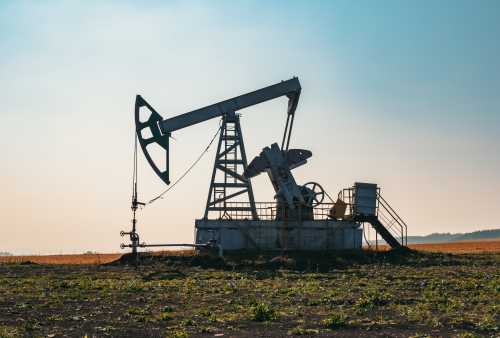
Analyzing the Oil Crisis Timeline: Strait of Hormuz Closure and Global Supply Shortfall
The article analyzes the global oil supply crisis triggered by the closure of the Strait of Hormuz, which has cut off approximately 20% of g
 brookings.edu·1mo ago
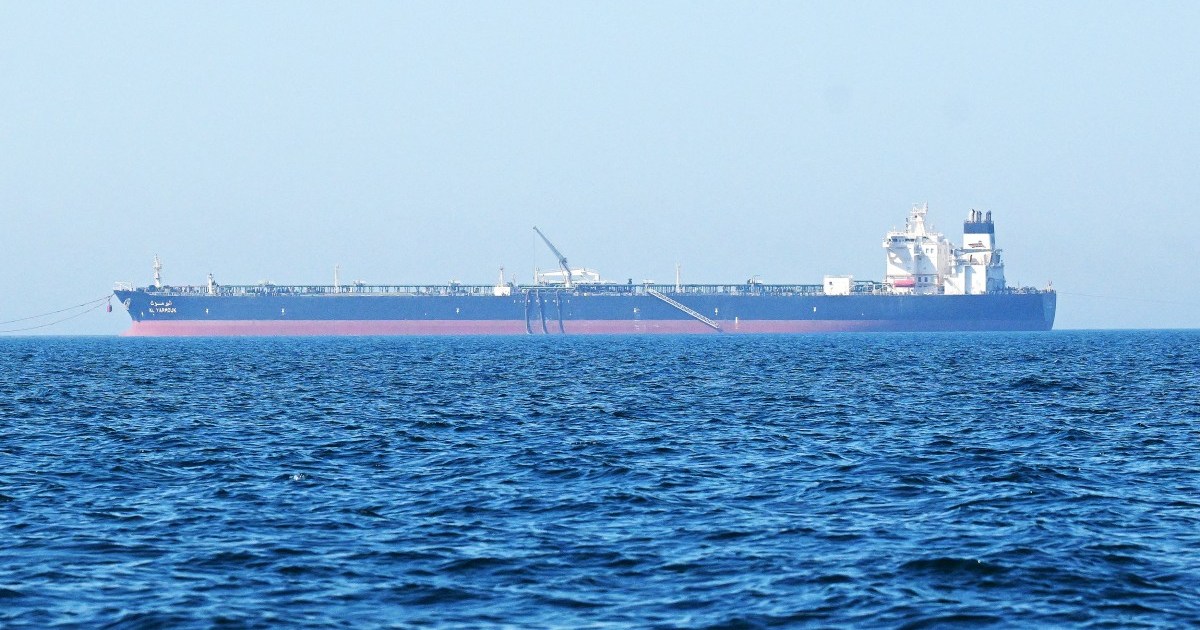
Oil surges as Strait of Hormuz is back into ‘full conflict conditions’
MarketWatch·7h ago
How the US-Israel war on Iran is reshaping global energy markets and accelerating renewables
The article analyzes how the US-Israel war on Iran (starting late February) has disrupted the global energy sector. Oil prices have swung dr
 aljazeera.com·6d ago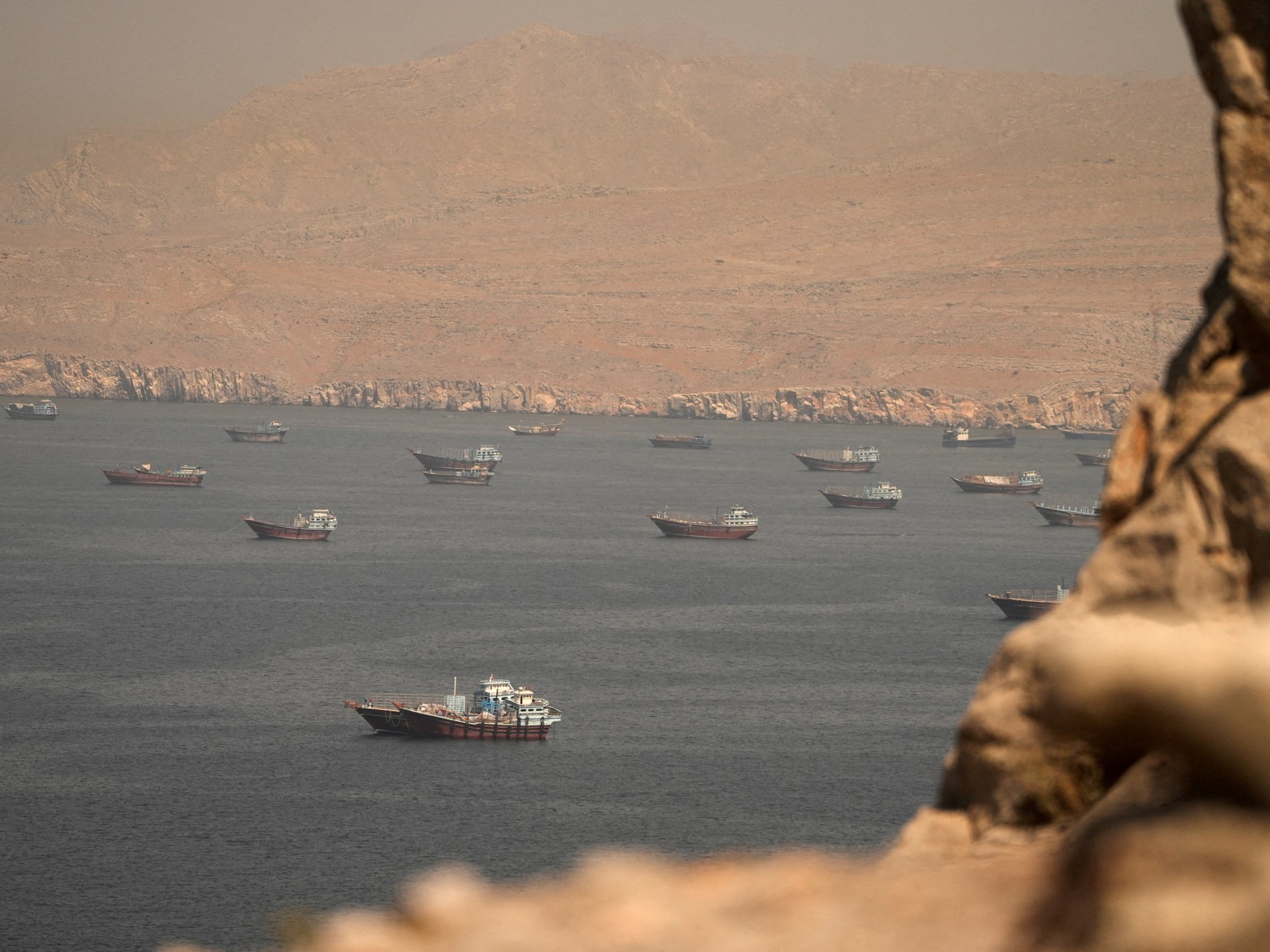
Strait of Hormuz reopening shifts oil markets from shortage to potential glut
The Strait of Hormuz is reopening faster than expected after the US and Iran signed a memorandum of understanding and launched indirect talk
aljazeera.com·6d ago
Oil Glut Predictions May Be Premature Amid Ongoing Strait of Hormuz Risks
Crude oil prices are falling as the Strait of Hormuz reopens faster than expected, leading analysts to predict a return to oversupply. Howev
 oilprice.com·4d ago
Comments
Sign in to join the conversation.
No comments yet. Be the first.