
























Electrification is key to ASEAN's energy transition and energy security
Summary
ASEAN's energy transition hinges on electrification as the region still relies on fossil fuels for ~80% of primary energy consumption. With domestic oil and gas reserves depleting in countries like Indonesia and Malaysia, ASEAN faces becoming a net gas importer this decade, making domestic renewable energy development critical. Geopolitical tensions around key maritime chokepoints like the Strait of Hormuz further expose the region's vulnerability to external energy shocks. The article argues that connectivity and electrification are ASEAN's greatest untapped resources for achieving climate and energy security goals.
Source

 bskyElectrification is key to ASEAN's energy transition and energy securityweforum.org
Key quotes
· 3 pulledElectrification will determine if ASEAN can meet climate and energy security goals.
The region's greatest untapped resource may be connectivity.
ASEAN's energy transition is often framed around reducing fossil fuel dependence, which still accounts for around 80% of the region's primary energy consumption.
You might also wanna read

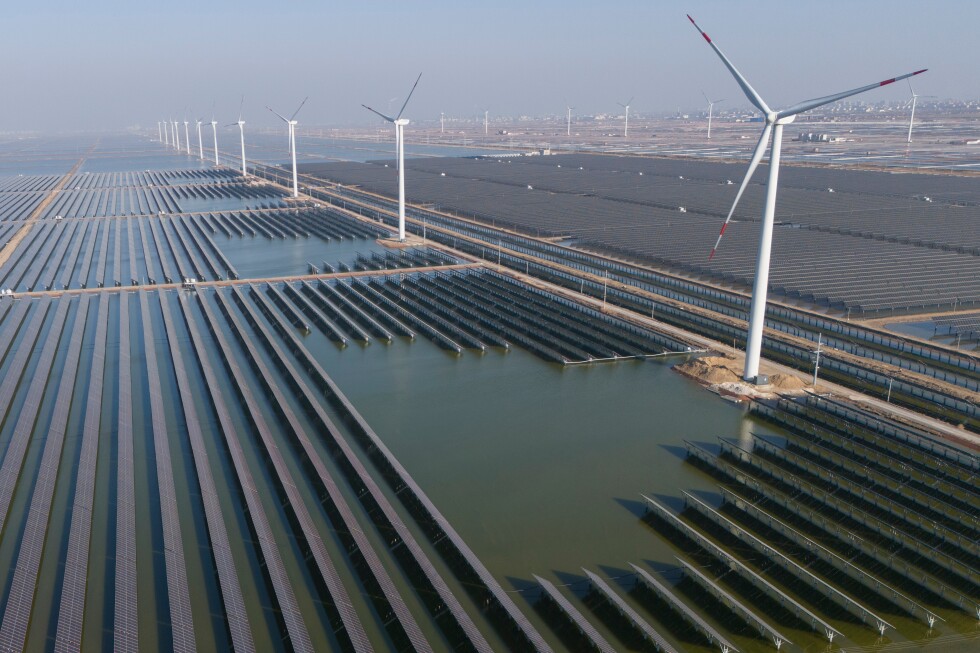
Iran Conflict Highlights Global Fossil Fuel Vulnerability, Renewables Urgency
The article discusses how the war in Iran is exposing global vulnerability to fossil fuel supply disruptions, particularly through the Strai
 apnews.com·3mo ago
Climate, conflict and the energy transition: security challenges ahead
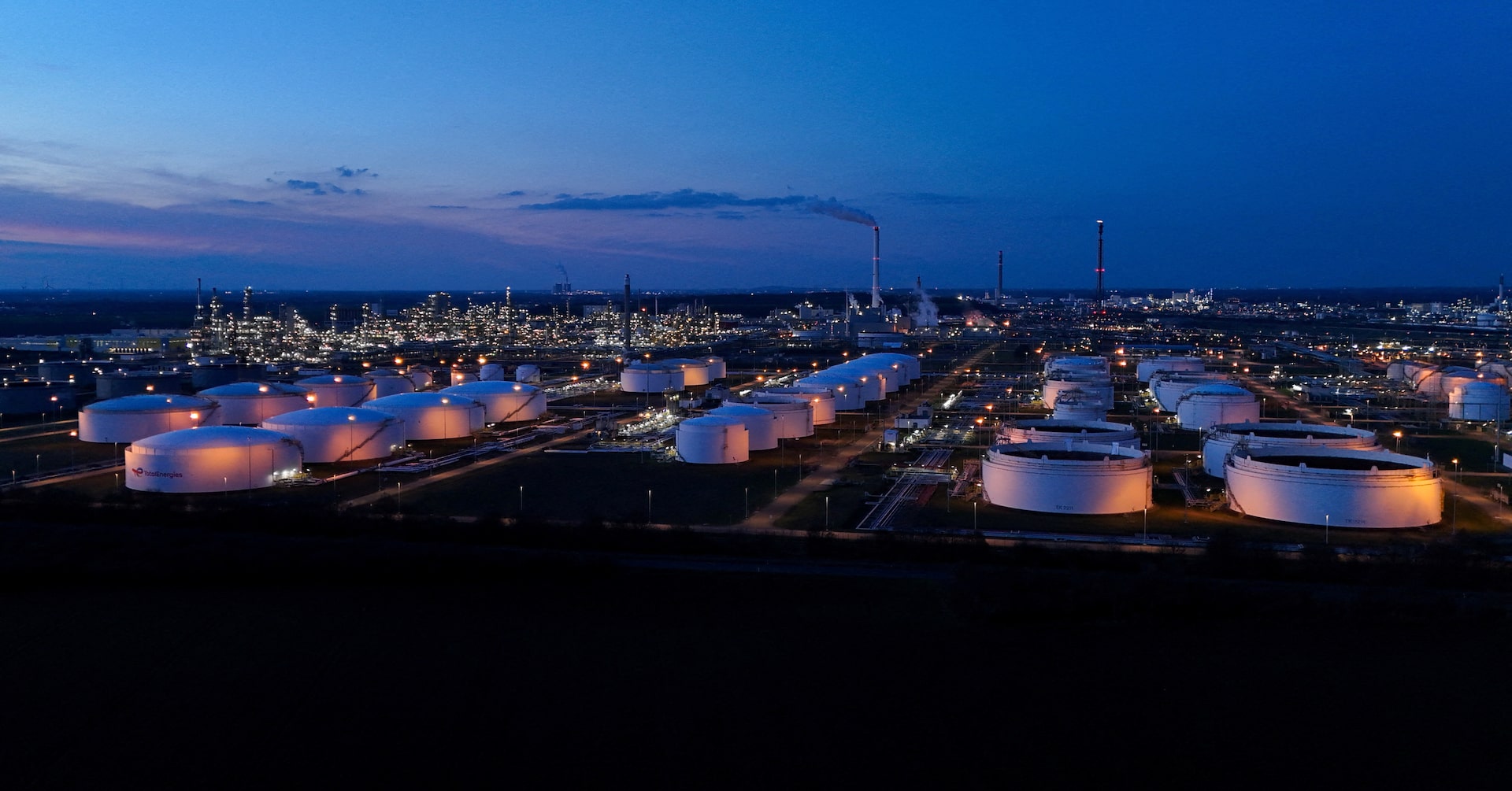
Iran War Energy Shock Drives Global Policy Shift Away from Fossil Fuel Dependence
The article discusses how the energy shock resulting from the Iran war has prompted global policymakers to reconsider strategies for reducin
 reuters.com·3mo ago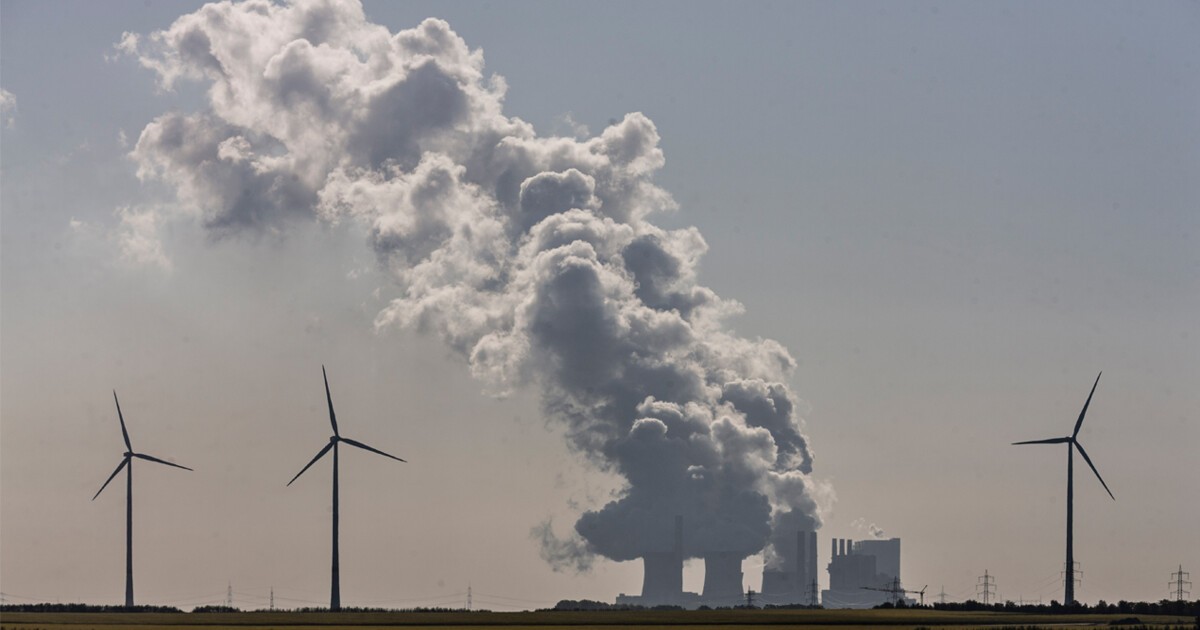
Adam Tooze on why the "green energy transition" is historically unprecedented and deeply challenging
Adam Tooze critically examines the concept of the "green energy transition," arguing that the historical record does not support the idea of
 lrb.co.uk·18h ago
Comments
Sign in to join the conversation.
No comments yet. Be the first.