
























Electrical imbalances at grain boundaries help explain solid-state battery failure
Source
PhysElectrical imbalances at grain boundaries help explain solid-state battery failurephys.orgYou might also wanna read

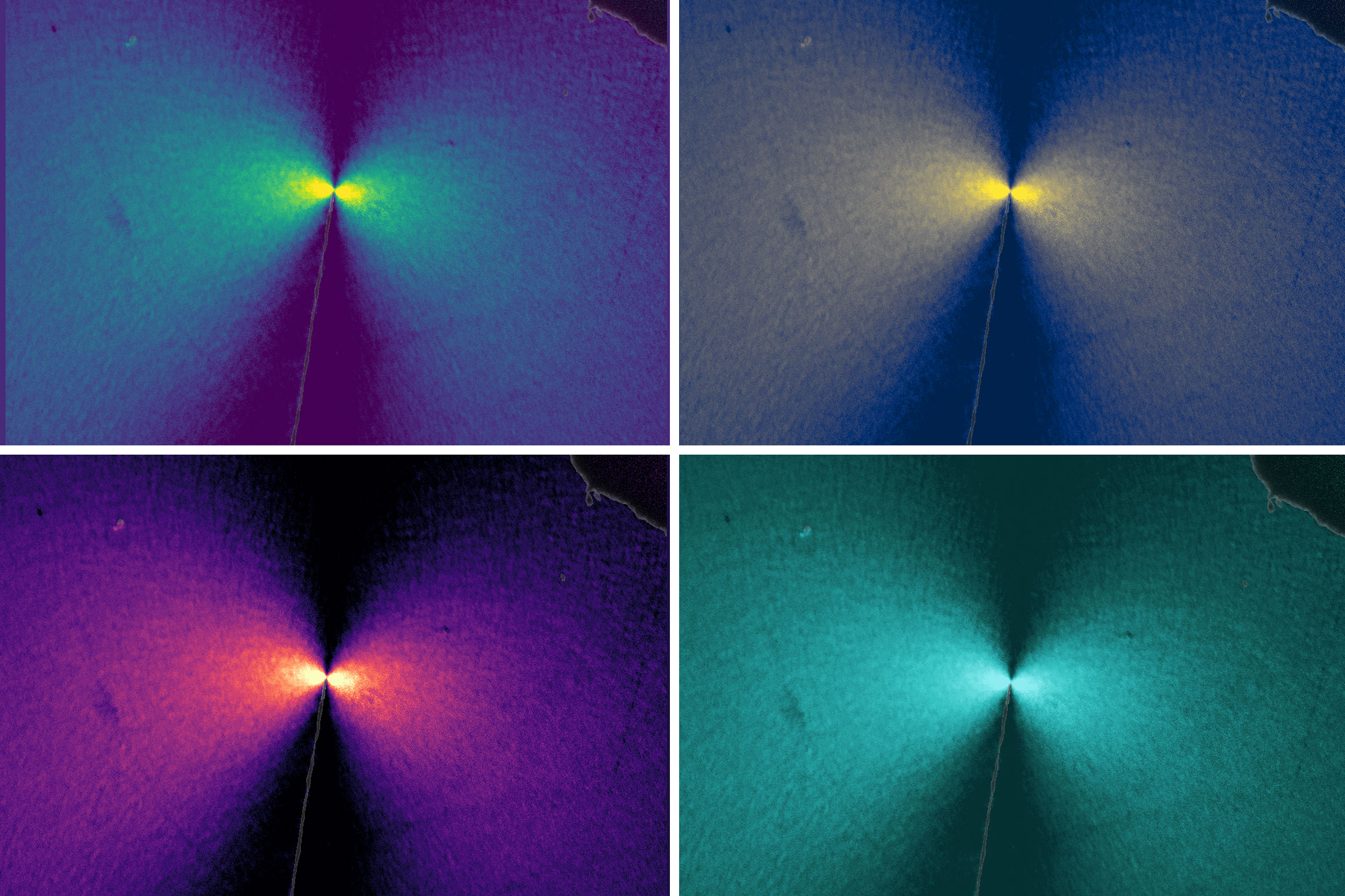
MIT study reveals why solid-state batteries fail: dendrites grow at lower stresses than thought
MIT researchers discovered that dendrites—cracks that degrade solid-state battery performance—can grow at far lower stresses than previously
 news.mit.edu·17d ago
Lithium-ion batteries near theoretical limits as solid-state alternatives emerge
The lithium-ion battery, long dominant in smartphones, EVs, and drones, is approaching its theoretical performance limits. Scientists note t
 economist.com·1mo ago
Lithium-ion batteries near theoretical limits as solid-state alternatives emerge
The lithium-ion battery, long dominant in smartphones, EVs, and drones, is approaching its theoretical performance limits. Scientists note t
economist.com·1mo ago
Semi-solid state batteries offer safer bridge technology as solid-state remains years away
The article discusses the safety hazards of traditional lithium-ion batteries with liquid electrolytes, which can explode or catch fire. It
 theverge.com·24d ago
Sodium-ion battery breakthrough offers faster charging and improved safety over lithium-ion
Scientists at Tokyo University of Science have developed a new carbon-based electrolyte for sodium-ion (Na-ion) batteries that could signifi
 livescience.com·5mo ago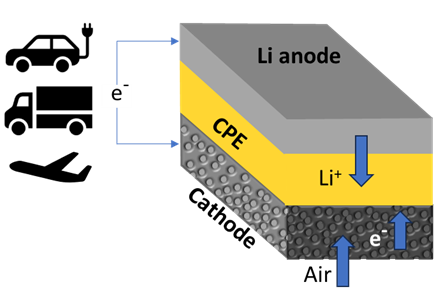
Solid-State Lithium-Air Battery Achieves Four-Electron Reaction at Room Temperature
Researchers have designed a new solid-state lithium-air battery that can store significantly more energy per volume than conventional lithiu
 energy.gov·1mo ago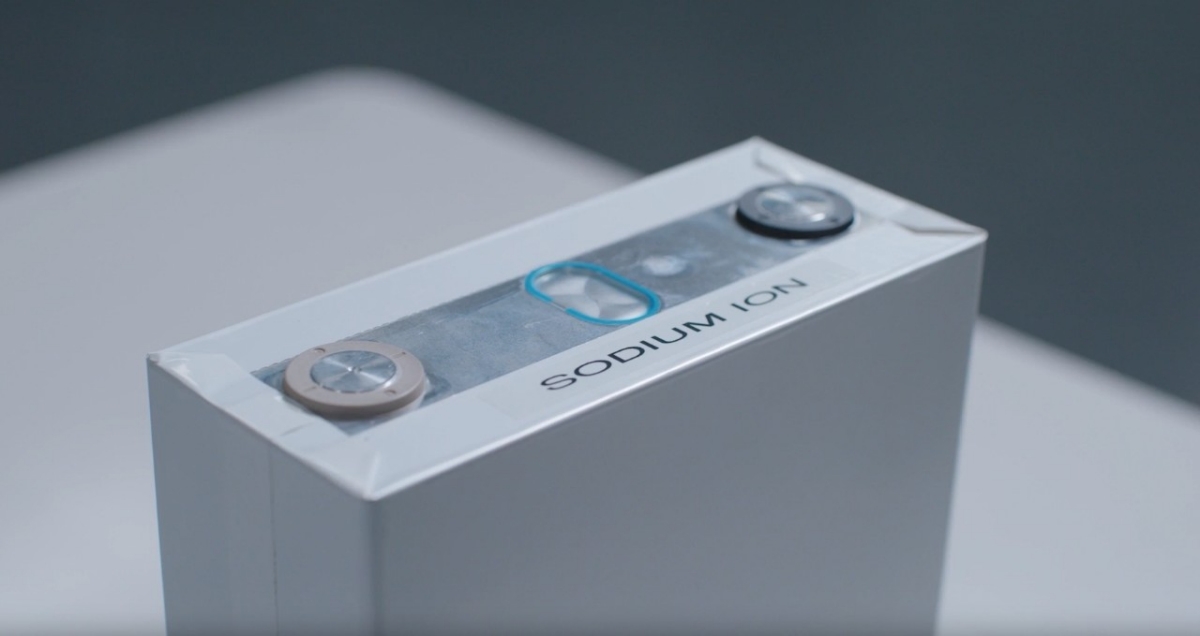
Sodium-ion batteries emerge as a cost-effective alternative for grid-scale energy storage
GM's VP of battery technology argues that sodium-ion batteries are poised to transform grid-scale energy storage due to their lower cost, gr
 news.gm.com·14d ago
Comments
Sign in to join the conversation.
No comments yet. Be the first.