
























Economists Admit Failure of Convergence Theory: Why Poor Countries Haven't Caught Up
The rise and fall of the Great Convergence
Read the full articleYou might also wanna read


Economists argue growth-focused economics is failing and propose alternative roadmap
Our roadmap has been shaped by experts across the world. We call on political leaders at all levels to use it, says Olivier De Schutter and
 buff.ly·1mo ago
Economists argue growth-focused economics is failing and propose a well-being alternative
Our roadmap has been shaped by experts across the world. We call on political leaders at all levels to use it, says Olivier De Schutter and
theguardian.com·1mo ago
Development Economics for an Age of Upheaval
The framework that has long guided development economics no longer reflects how modern economies actually create value. As the boundaries th

[Linkpost] “We don’t know why Malawi is poor — and what that means for AI-and-growth forecasts” by Deena Mousa
This is a link post. I had a conversation with someone who claimed offhandedly that AI will dramatically raise agricultural productivity (vi
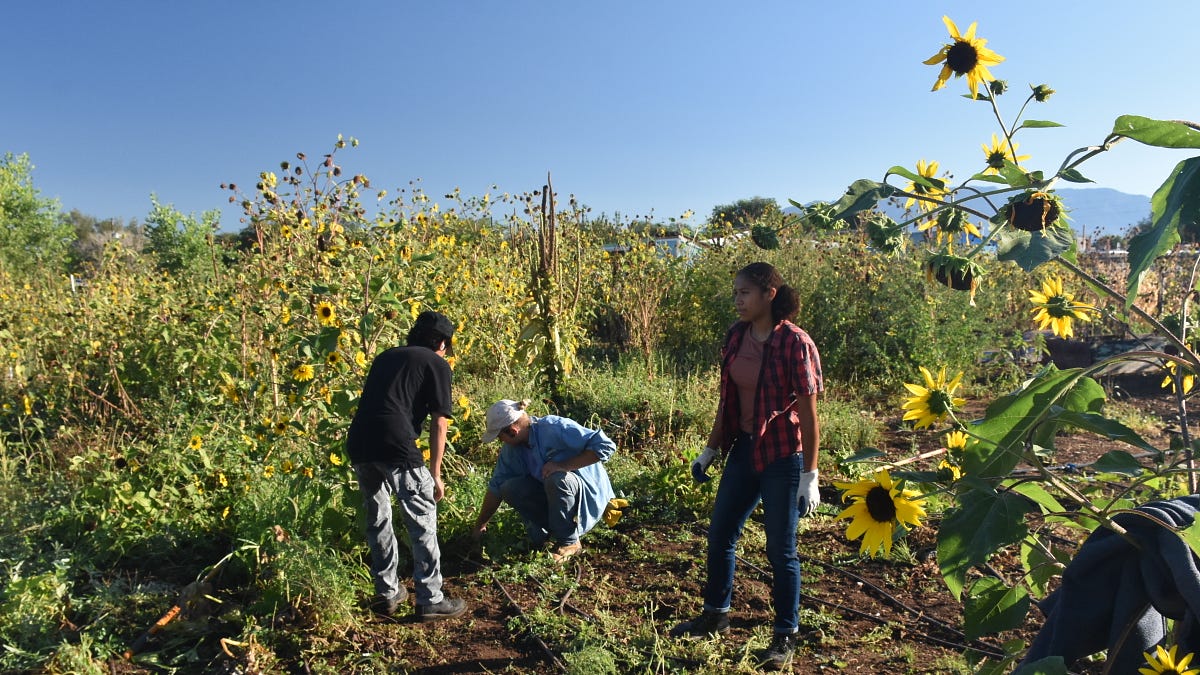
Why small-scale capitalism cannot achieve agroecology: a call for a new theory of change
Small, privately-owned farms and localised markets can never achieve agroecology, therefore the movement needs a new strategy.
 thestruggleforland.substack.com·5d ago
Economic growth, not redistribution, is the proven path out of poverty
Growth is both necessary and sufficient. No country has escaped poverty without it.
 ocregister.com·25d ago
Comments
Sign in to join the conversation.
No comments yet. Be the first.