
























Dyslexia, adaptation, and social expectations
Agreement I do not Agree Body Working as a doctor requires a variety of skills, and we do not all share these in equal measure. I therefore wonder why this article focuses specifically on dyslexia…
Read the full articleYou might also wanna read

Examining the Debate Over Neurodiversity-Affirmative Language in ADHD Research
Language is powerful. The words we choose not only reflect our understanding of the world but also actively shape it. Recently, this truth h
 adhdevidence.org·1d ago
Rethinking Reading Disorders: Language Foundations, Risk Pathways, and Protective Factors
Understanding how children learn to read requires a comprehensive understanding of language, phonology, cognition, and environmental factors
Rethinking Reading Disorders: Language Foundations, Risk Pathways, and Protective Factors
Understanding how children learn to read requires a comprehensive understanding of language, phonology, cognition, and environmental factors
Auditory psycholinguistic deficits and neurological soft signs among a sample of Arabic-speaking Egyptian children with dyslexia: a cross-sectional correlational study
Omar, Manal M. Mahdi;El-Gebaly, Howida Hosney;Mohammed, Hassnaa O. Middle East Current Psychiatry 01 Dec 2026 : pp.26 Formats: Citation/Abst
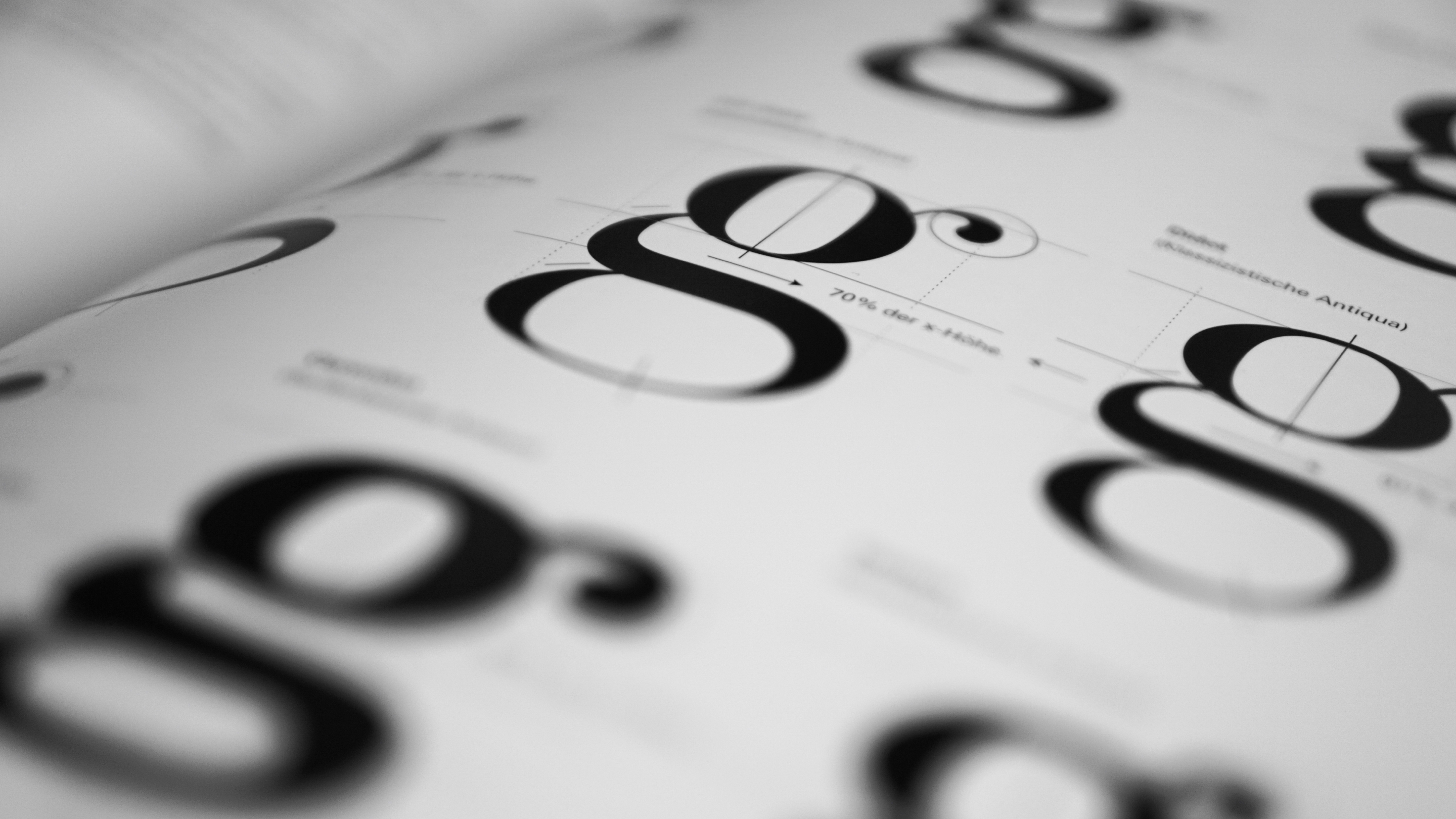
Examining the Evidence: Do Specialized Dyslexia Fonts Actually Improve Reading?
Specialized fonts for students with dyslexia are gaining in popularity. But they’re based on a key misconception, experts warn.
 edutopia.org·7mo ago
Continuous developmental changes in word recognition and language learning across early childhood
Being a fluent language user involves recognizing words as they unfold in time. How does this skill develop over the course of early childho

Experience-Sensitive Approach to Neurodivergence
Clinical environments are often organised around neurotypical/general population expectations of communication, attention, pacing, and senso
Experience-Sensitive Approach to Neurodivergence
Clinical environments are often organised around neurotypical/general population expectations of communication, attention, pacing, and senso
Comments
Sign in to join the conversation.
No comments yet. Be the first.