
























Ireland's EU presidency raises conflict-of-interest concerns over Big Tech regulation
On 1 July this year, Ireland takes the rotating EU presidency and agenda powers on the crown jewels of EU tech laws: "That should make you worried," says activist Johnny Ryan.
Read the full articleYou might also wanna read
Can transparency compensate for a conflict of interest?
10/7/2026 On 1 July, Ireland took over the rotating Presidency of the Council of the EU and with it, the chair of two of the most consequent


Irish EU presidency should sit out talks on tax and digital files over ‘over conflicts of interest’, academics say
A group of leading university professors have urged the Irish EU presidency to sit out of negotiations on EU tax and digital laws, pointing

Music community calls on Irish government to use EU presidency to lead the conversation around creator rights and AI
The Irish parliament will tomorrow debate a motion calling on the country’s government to use its current presidency of the Council Of The E
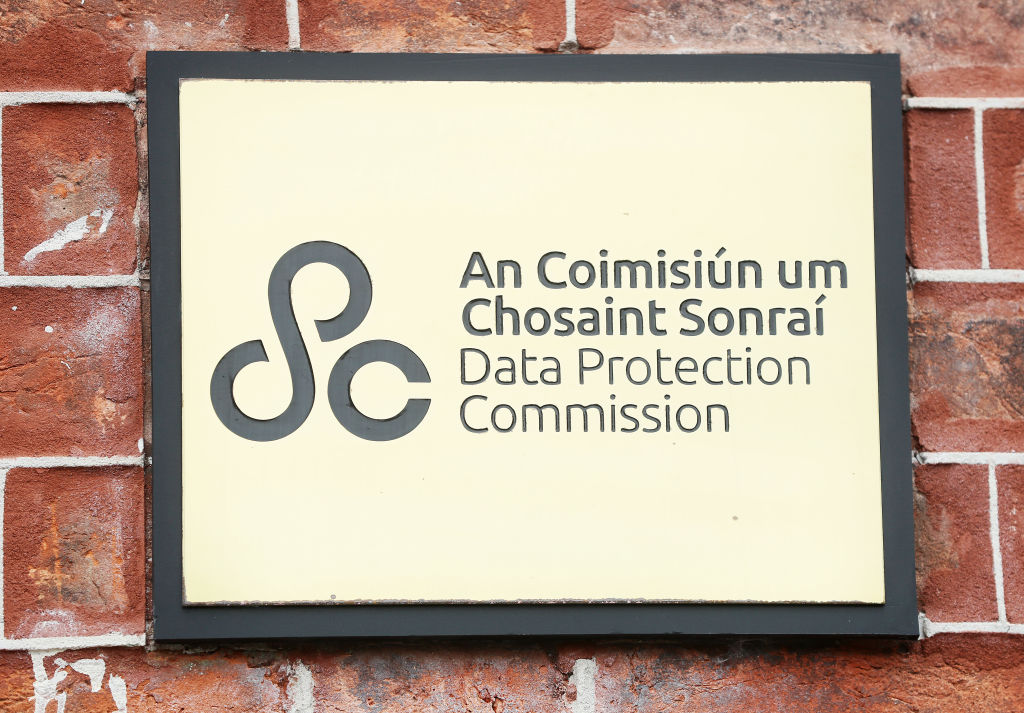
Irish Privacy Regulator Appoints Former Meta Lobbyist as Commissioner
Meta's lead privacy watchdog hires Niamh Sweeney, who previously led public policy for Meta-owned Facebook Ireland and WhatsApp in EMEA
 euractiv.com·9mo ago
Irish minister dined with Meta lobbyists at US ambassador's residence amid push to weaken EU tech regulation
Peter Burke’s intimate dinner with the tech giant’s reps was aimed at discussing ‘the digital agenda for Ireland’s EU presidency’
 Irish Independent·4d ago
Irish minister dined with Meta lobbyists at US ambassador's residence amid push to weaken EU tech regulation
Peter Burke’s intimate dinner with the tech giant’s reps was aimed at discussing ‘the digital agenda for Ireland’s EU presidency’
independent.ie·4d ago
Comments
Sign in to join the conversation.
No comments yet. Be the first.