
























AI is already here: How local, privacy-first AI is transforming home automation
By
By Howard Armitage
Summary
The article explores how AI is already integrated into everyday life through practical, personal examples. The author shares experiences using ChatGPT for a garden fence visualization and a friend using Grok as a voice assistant that remembers context. The piece argues that AI isn't a future concept but a present reality, particularly in home automation, with a focus on privacy-first, open-source local AI solutions that are becoming more sophisticated and accessible.
Source

 bskyAI is already here: How local, privacy-first AI is transforming home automationnewatlas.com
Key quotes
· 3 pulledWhen my neighbor wanted a vision of what his fence could look like, I didn't hesitate to ask ChatGPT to create a mock-up.
He pulled out his phone mid conversation and said 'Hey Grok, show me that dive computer we were talking about this morning.'
Privacy-first, open-source, and edging closer to Tony Stark territory.
You might also wanna read

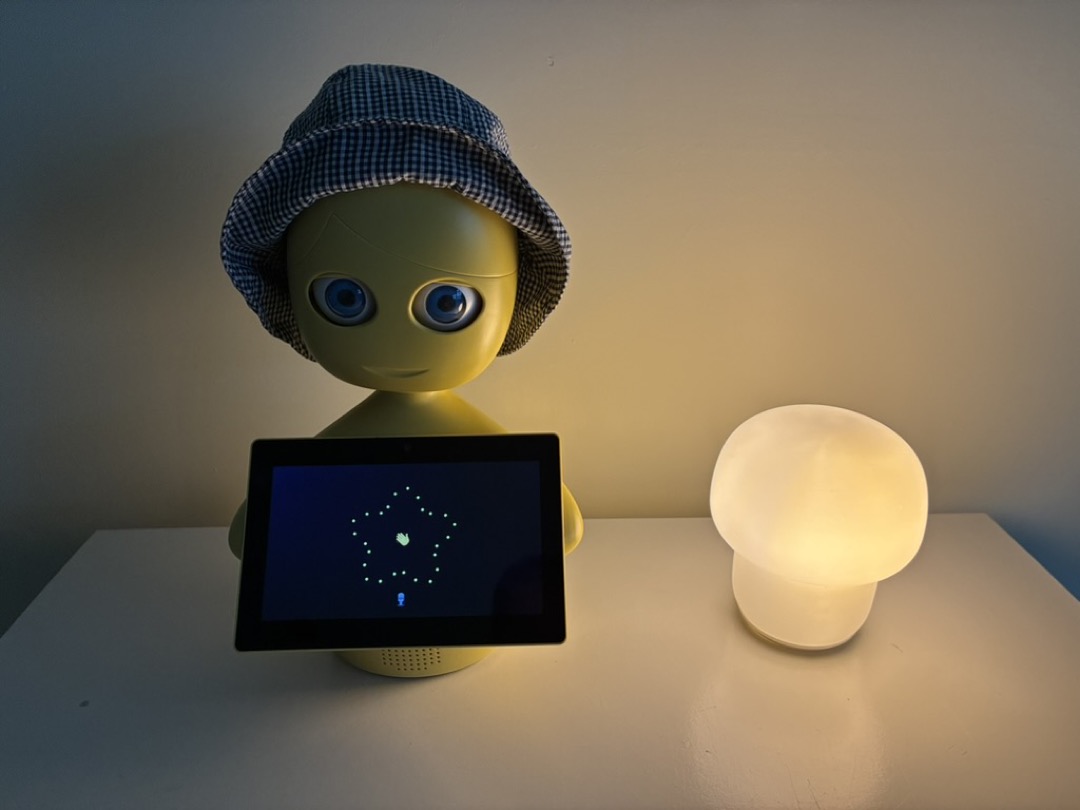
Personal Experience with an AI-Powered Home Robot: Reflections on Privacy and Human-AI Interaction
The author shares their personal experience with Mabu, an AI-powered robot placed in their home that functions as a smart speaker. The artic

AI Assistant Companies Shift to Advertising Models While Developing Always-On Surveillance Hardware
The article examines how major AI assistant companies like OpenAI are transitioning to advertising-based business models while simultaneousl
 juno-labs.com·4mo ago
The Reality Gap: Why AI Assistants and Smart Home Technology Still Struggle to Deliver
The article critiques the current state of AI technology, particularly large language models and virtual assistants like Gemini, Siri, and A
 The Verge·8mo ago
The Case for Human-Centered Websites in an AI-Dominated Social Media Landscape
The author reflects on the proliferation of AI-generated content in social media feeds, particularly noticing suspicious cat videos that app
 marcus-obst.de·8mo ago
Generative AI's Potential Impact on the Future of the World Wide Web
The article explores how generative AI tools like ChatGPT could potentially disrupt the traditional World Wide Web by changing how people ac
 cacm.acm.org·10mo ago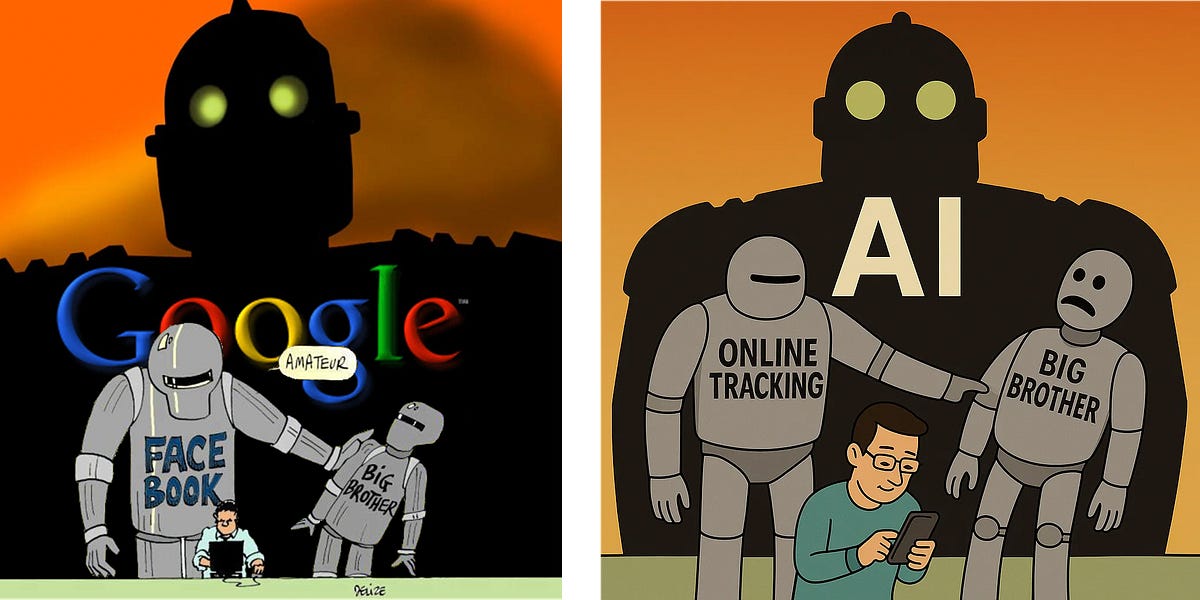
AI Surveillance Poses Greater Privacy Risks Than Traditional Online Tracking
The article argues that AI surveillance should be banned before it becomes too widespread, highlighting how AI-powered chatbots and tracking
 gabrielweinberg.com·9mo ago
Comments
Sign in to join the conversation.
No comments yet. Be the first.