
























Disentangling cephalopod chromatophores motor units with computer vision
Cephalopod chromatophores are skin pigment organs enabling rapid, neurally controlled camouflage, yet the organization of their motor control remains poorly understood. Previously, we developed…
Read the full articleYou might also wanna read
Raymond Goldstein: Decision-making without a brain
Volvocine algae are models organisms for the study of evolutionary transitions to multicellularity, as they span from the unicellular biflag

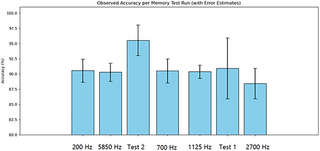
Shiitake Mushroom Mycelium Used to Create Sustainable Memristors for Neuromorphic Computing
Neuromorphic computing, inspired by the structure of the brain, offers advantages in parallel processing, memory storage, and energy efficie
 journals.plos.org·8mo ago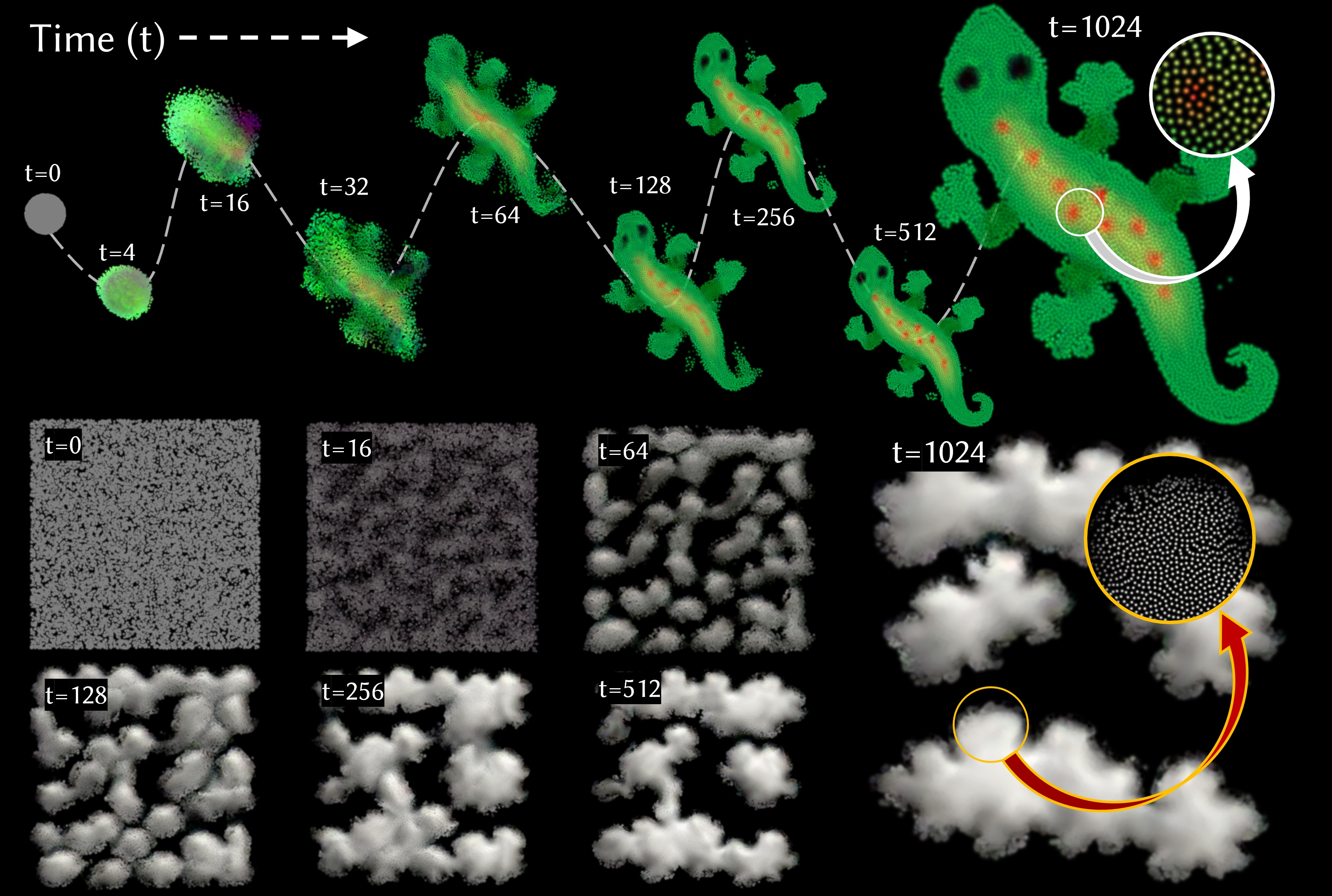
Neural Particle Automata: Extending Self-Organizing Neural Networks to Particle Systems
Self-organizing particle systems driven by neural networks, where particles move and change state to grow morphologies and form texture patt
 selforg-npa.github.io·18d ago
Large-scale Hi-C analysis of 1,025 species reveals distinct evolutionary paths in genome architecture
Comparative Hi-C analysis across 1,025 species reveals that genome architecture has evolved along distinct trajectories, with plants favorin
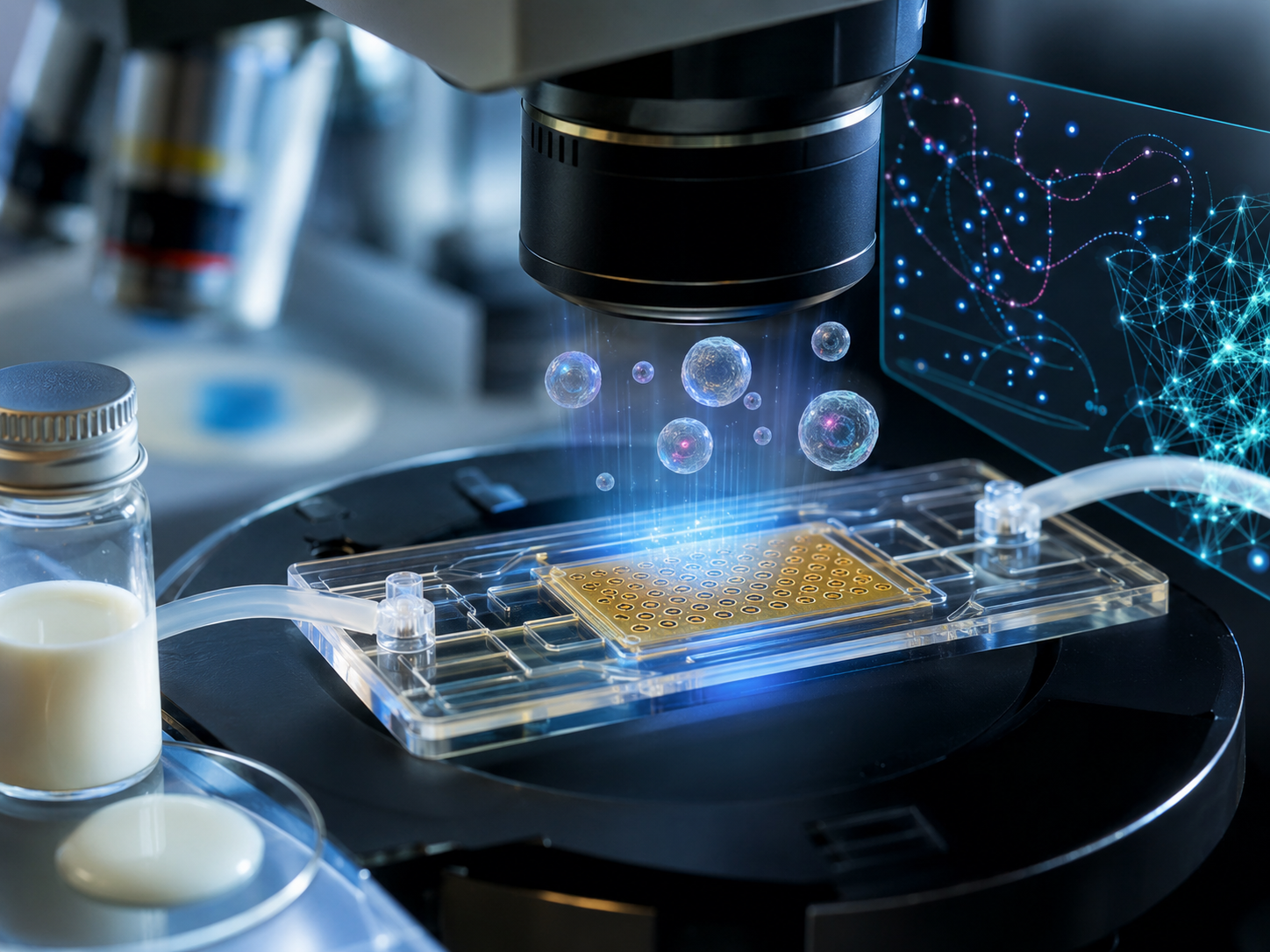
AI-Powered Nanotweezers Enable Label-Free Analysis of Milk-Derived Extracellular Vesicles
Researchers developed an AI-assisted nanotweezer platform that rapidly traps thousands of milk-derived extracellular vesicles and analyzes t
 azonano.com·1mo ago
Emergent Hebbian Dynamics in Regularized Learning: A Theoretical Analysis
Hebbian and anti-Hebbian plasticity are widely observed in the brain and are classically modeled as mechanistic, local homosynaptic rules st
 arxiv.org·1mo ago
Comments
Sign in to join the conversation.
No comments yet. Be the first.