
























“Discussions of (p)sentience of small animals miss the point” by Jim Buhler
2mo agoen
Source
sentience%20of%20smal) EA Forum“Discussions of (p)sentience of small animals miss the point” by Jim Buhlereffectivealtruism.org
EA Forum“Discussions of (p)sentience of small animals miss the point” by Jim Buhlereffectivealtruism.orgTl;dr: You need to make specific moral weight assumptions to decide who to prioritize between animals with different degrees of sentience. And the moral weight of a given being is not its p(sentience). One could very well be certain that shrimp and insects feel pain (and are as badly off as they could possibly be), yet believe that they do so to a degree too small for them to be prioritized. Debates about interspecies tradeoffs should outline welfare ranges, over p(sentience), as the relevant crux. When people defend prioritizing cognitively simpler animals over more complex ones, they tend to appeal to i) their numbers, ii) evidence of their sentience, and iii) some form of expected value maximization, even if slightly risk-averse. While I am pretty sympathetic to prioritizing cognitively simpler beings, I think the above appeal misses the key crux, by mistakenly making (ii) about p(sentience) rather than about degree of sentience, or welfare range. For the conclusion to follow, (ii) needs to be: evidence of a welfare range that is not too insignificant to crucially undermine the importance of their large numbers. It is quite easy to believe that shrimp and many insects are likely sentient.[1] In fact [...] --- First published: April 21st, 2026 Source: --- Narrated by TYPE III AUDIO .
You might also wanna read

Popularity bias in species selection threatens validity of comparative oncology research
This article examines how scientific and public popularity of certain species introduces significant biases in comparative oncology research
 doi.org·27d ago
Evidence of the bouba-kiki effect in naïve baby chicks
science.org·4mo ago

Book Review: Challenging Human Exceptionalism Through Animal Consciousness
A book review examining a new work that challenges human exceptionalism by exploring how our perceptions of other species are shaped by fami
 democracyjournal.org·10mo ago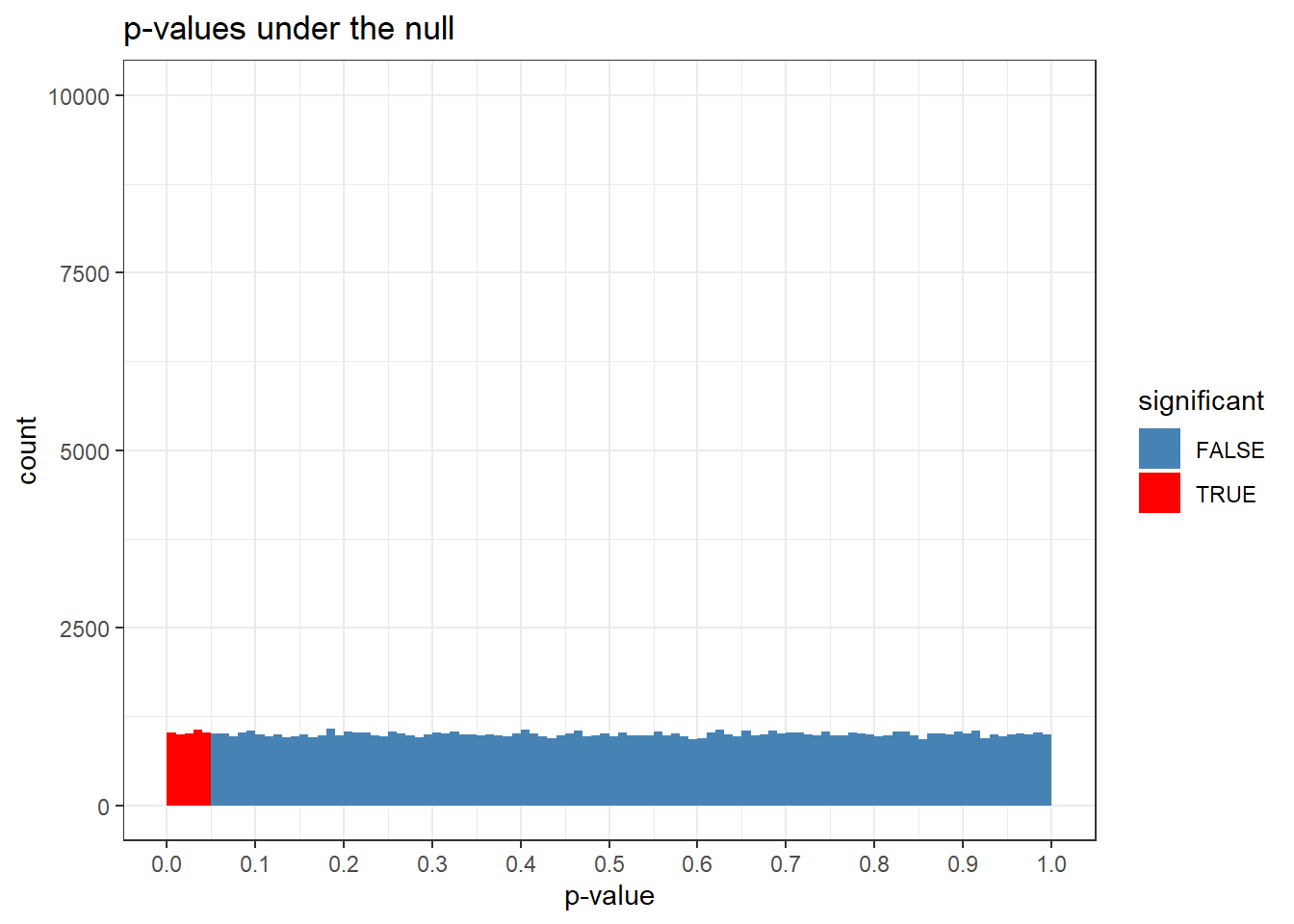
Critique of P-Value Circling and Misuse of Statistical Significance Thresholds
The article critiques the misuse of p-values in statistical analysis, specifically addressing the practice of 'p-value circling' where resea
vilgot-huhn.github.io·6mo ago
The Child-Like Role of Dogs in Western Societies
econtent.hogrefe.com·1y ago

Why We Shouldn't Abandon Trust in Our Moral Intuitions
This article explores the growing trend of doubting our moral intuitions and capacity to make ethical decisions. It argues that while moral
 psychologytoday.com·17d ago
Comments
Sign in to join the conversation.
No comments yet. Be the first.