
























Discovery of a Radio Megahalo in the Cluster PLCKG287.0+32.9 Using the uGMRT
Sameer Salunkhe et al 2025 ApJL 984 L26 A radio megahalo surrounding a merging galaxy cluster has been observed at a frequency higher than 144 megahertz for the first time, opening up the possibility…
Read the full articleYou might also wanna read

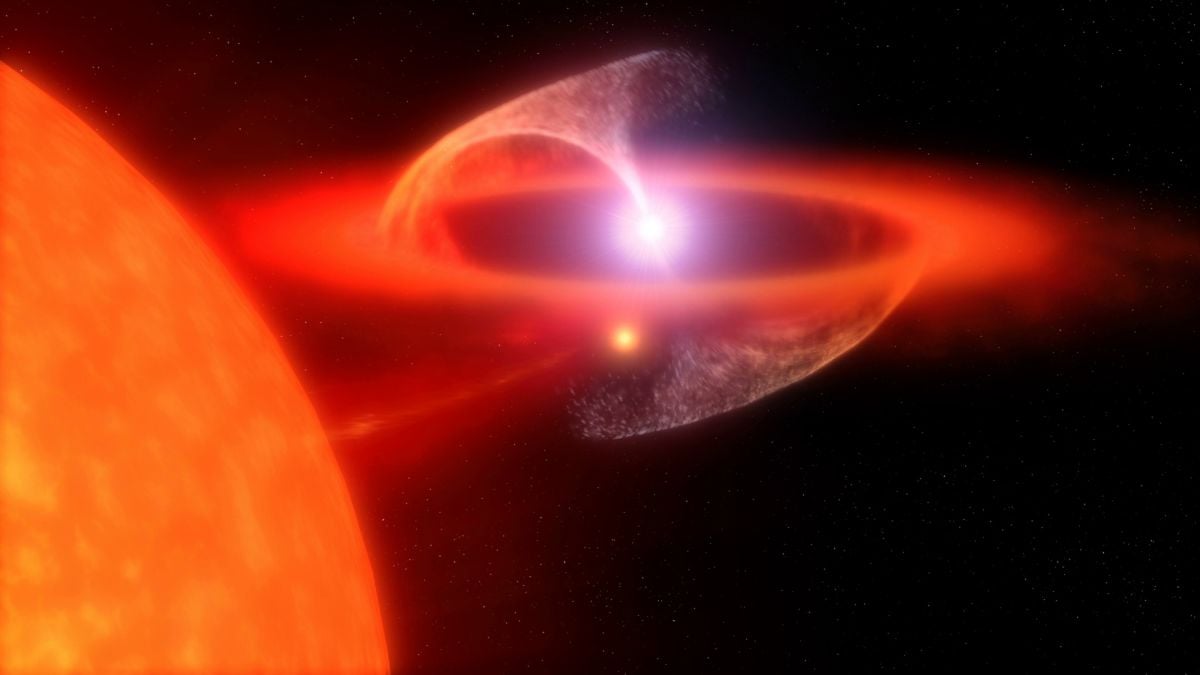
Astronomers Discover New Class of Long-Period Radio Transients in the Milky Way
Just a few years ago, a strange signal was received from the plane of the Milky Way.
 sciencealert.com·1mo ago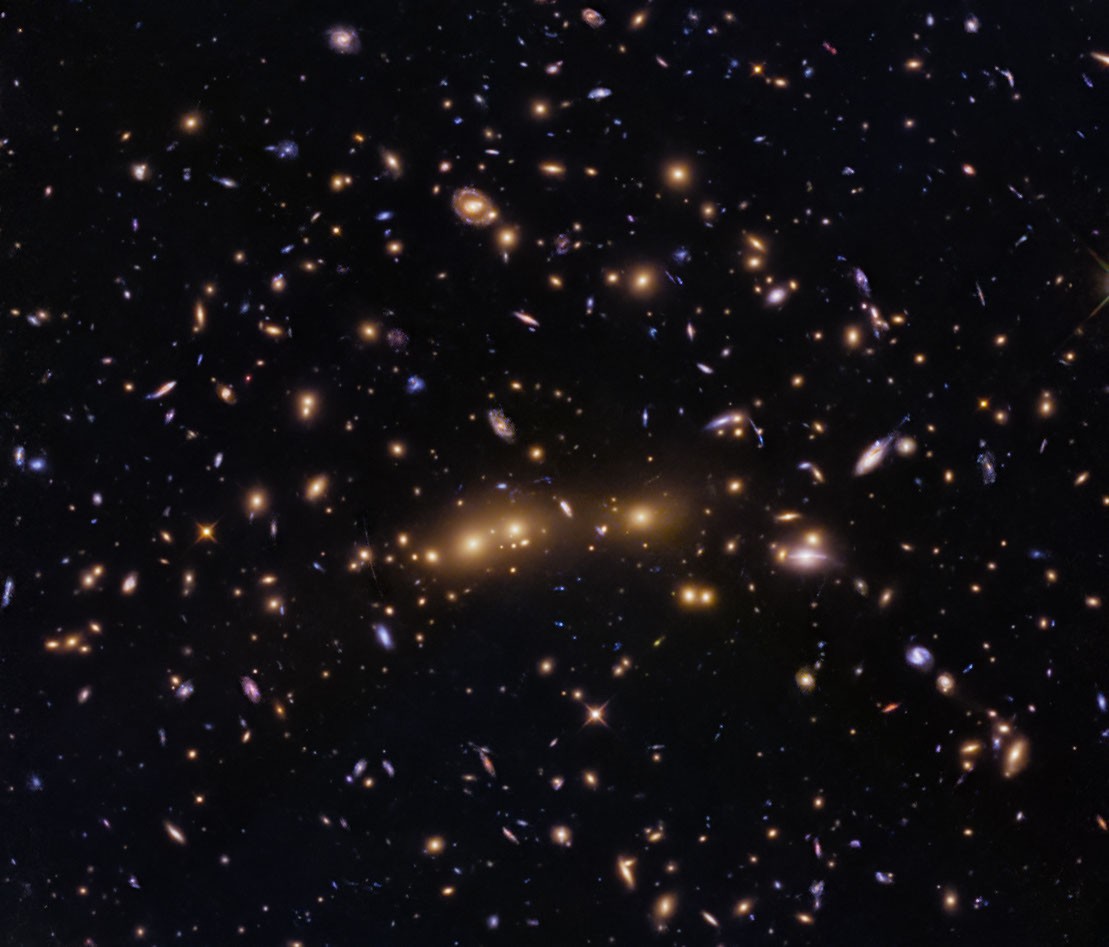
Hubble Captures Merging Galaxy Cluster CL0016+1609 in New Image
This NASA Hubble Space Telescope image features a galaxy cluster, called CL0016+1609 or MACS J0018.5+1626.
 go.nasa.gov·21d ago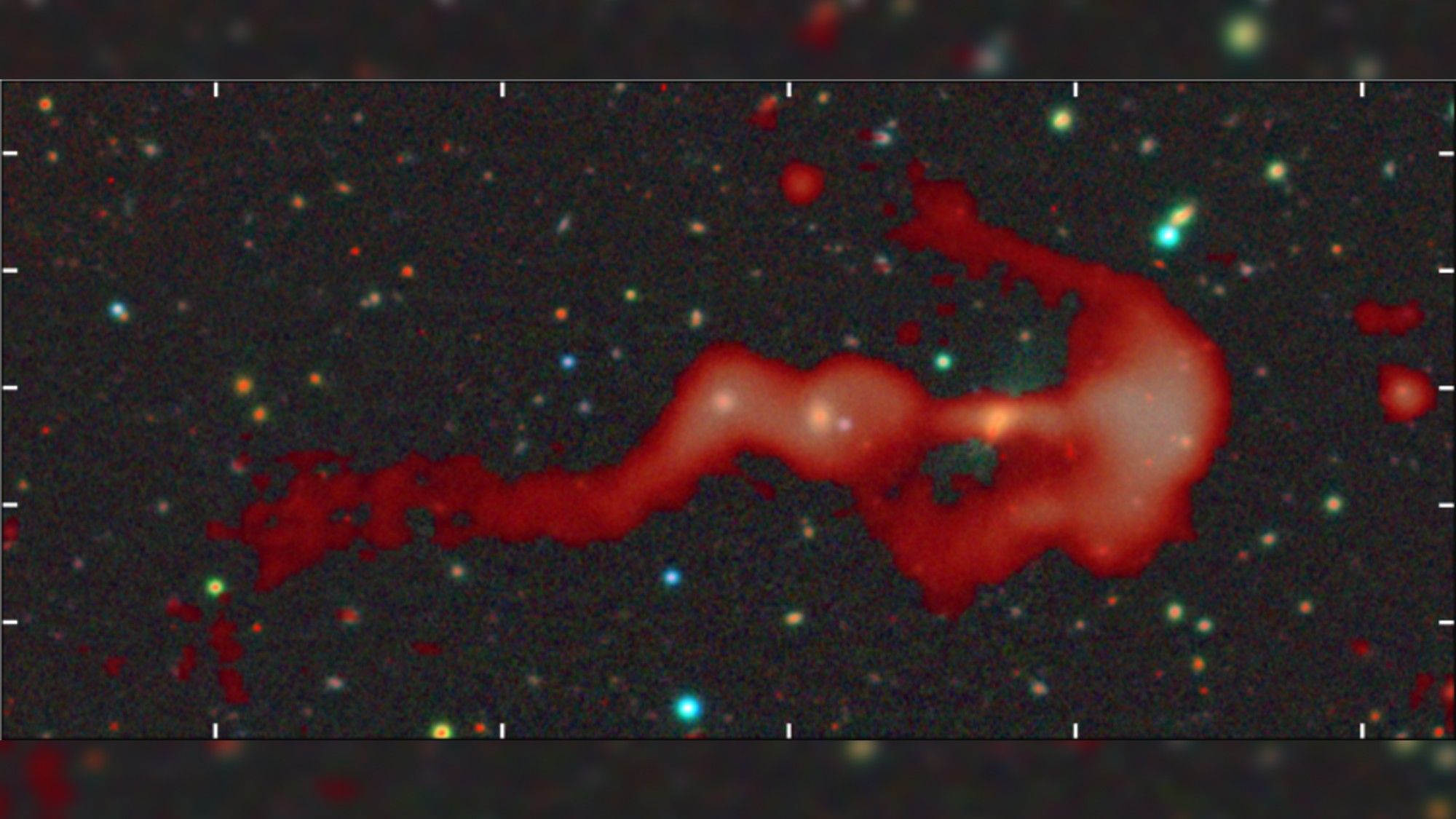
Citizen scientist discovers RAD-BAARG: A giant radio galaxy with a never-before-seen bow-and-arrow structure
The unusual object may reveal a giant cosmic shock wave created as a galaxy plows through a cluster at supersonic speeds.
 space.com·12d ago
Citizen scientist discovers RAD-BAARG: A giant radio galaxy with a never-before-seen bow-and-arrow structure
The unusual object may reveal a giant cosmic shock wave created as a galaxy plows through a cluster at supersonic speeds.
space.com·12d ago
Faint radio signals detected from previously silent 'Blue Eye' neutron star for the first time
The hushed pulsar, nicknamed Blue Eye, was a previously radio-silent neutron star.
 space.com·3d ago
Faint radio signals detected from previously silent 'Blue Eye' neutron star for the first time
The hushed pulsar, nicknamed Blue Eye, was a previously radio-silent neutron star.
space.com·3d agoFaint radio signals detected from previously silent 'Blue Eye' neutron star for the first time
The hushed pulsar, nicknamed Blue Eye, was a previously radio-silent neutron star.
Space·3d ago
Astronomers keep finding giant radio rings in space they can’t explain
Astronomers keep finding enormous rings of radio light in deep space that nothing in the textbooks can account for.
Astronomers keep finding giant radio rings in space they can’t explain
Astronomers keep finding enormous rings of radio light in deep space that nothing in the textbooks can account for.

Discovery of a 36 Billion Solar Mass Black Hole in the Cosmic Horseshoe Gravitational Lens
ABSTRACT. Supermassive black holes (SMBHs) are found at the centre of every massive galaxy, with their masses tightly connected to their hos
 academic.oup.com·11mo ago
Comments
Sign in to join the conversation.
No comments yet. Be the first.