Most Disabled people are struggling to afford enough food, with many skipping meals every week and seeing their health suffer as a result, according to new research from the Disability Poverty Campaign Group (DPCG). The DPCG is a coalition of DPOs (Disabled People’s Organisations) from across the country, led by Disability Rights UK and Inclusion London , and their survey results have now been submitted to the call for evidence on UK food poverty from Ian Byrne MP and the Right to Food commission, as part of his Right to Food campaign. The survey which ran across a standard version, as well as BSL and Easy Read, found that Disabled people have widespread food insecurity, with rising food prices, disability-related costs and barriers to accessing food combining to create what the DPCG describes as a “systemic failure” to meet basic nutritional needs. Nearly three-quarters of respondents to the DPCG survey said their income does not consistently cover the cost of the food they need to stay healthy. While only 24.7 per cent said their income always covered essential food costs, almost half (49.5 per cent) said it only did so sometimes, and a further 25.8 per cent said it never did. Rising food prices were identified as a major driver of hardship. More than eight in ten respondents (80.4 per cent) said increasing food costs had made it harder to afford food over the past year, while only 3.1 per cent reported no impact. The survey also highlighted the significant health consequences of food insecurity. More than 84 per cent of respondents said difficulty affording food had negatively affected their physical or mental health. The survey also found that nearly three-quarters of respondents had reduced their food intake because of cost pressures. More than half (55.2 per cent) said they skipped meals or reduced portion sizes at least once a week, while 17.7 per cent said they did so at least once a month. More than 90 per cent of respondents said they experienced barriers to accessing food. These included transport difficulties, inaccessible shops, problems accessing online grocery services and a lack of energy to prepare meals. Almost 89 per cent of respondents said disability-related expenses such as higher energy bills, specialist equipment, transport costs, care needs and medical expenses reduced the amount of money available for food. More than half (57.7 per cent) said these costs reduced their food budget “a lot”. Despite the scale of hardship identified, only around one in four respondents (25.9 per cent) said they had used a food bank in the past year, which seems contradictory to findings from other organisations that most food bank users have a disability. However, according to DPCG, this suggests that food bank use alone does not provide an accurate picture of food insecurity among disabled people. The DPCG note that many people experiencing hunger in the survey may be unable to access food banks because of transport, accessibility or referral barriers, while others may instead be coping by eating less, or because of a stigma around using a food bank. The DPCG explains that all these points point toward a significant level of “hidden” food insecurity that is not captured by official measures. In its conclusions to their Right to Food evidence, The DPCG makes the strong point that Disabled people are being “systematically prevented from maintaining their health” through a combination of failed policies, inadequate incomes, rising living costs and inaccessible food systems. The DPCG is calling for a series of urgent policy changes, including increases to disability benefits that reflect the real costs of living with an impairment, legal recognition of the right to food, and stronger action to reduce disability-related costs such as energy and transport. It is also urging the government to make food security a core part of health and social care policy, improve the accessibility of food systems and ensure Disabled people are involved in designing all future food policy Dan White co-lead of the DPCG with Julia Modern at Inclusion London said, “Food should be a source of nourishment, dignity and enjoyment, Yet for Disabled people across the UK it has become a daily struggle defined by affordability and access.” “Our survey findings alone should be enough to shake policy makers to their very core. No one should be forced to skip meals, go hungry or compromise their health because their income is too low or because the systems around them are inaccessible. Food poverty among Disabled people is not accidental – it is the result of policy choices that have failed to account for the extra costs and barriers Disabled people face.” “The more we hear of food poverty and the longer it takes to address the issue, more and more Disabled people will be finding themselves falling into food poverty. This is an issue that needs addressing now, and the hope is that the Right to Food commission will shock the Government into finally taking urgent action.” To find out more about the Right to Food commission, click here. To find out more about the Food Foundations plans to introduce a new Good Food Bill, click here. News Benefits Money Dan White



























 disabled-world.com·1mo ago
 theguardian.com·24d ago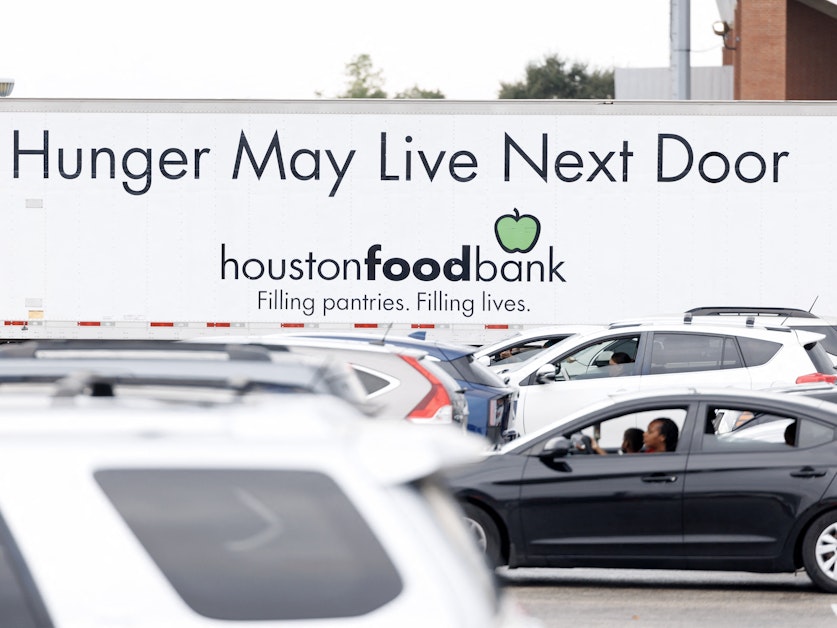


 51st.news·1mo ago
 shadowfetch.com·17h ago
Comments
Sign in to join the conversation.
No comments yet. Be the first.