
























Dirty Dozen™ food chemicals: Propyl gallate
By
Iris Myers
8d agoen
Source
Environmental Working GroupDirty Dozen™ food chemicals: Propyl gallateewg.orgDirty Dozen™ food chemicals: Propyl gallate Iris Myers June 29, 2026 EWG’s recommendation Avoid or limit foods containing propyl gallate. Propyl gallate is a preservative that has been linked to oxidative stress, which is when reactive molecules build up and damage cells. Laboratory studies have connected propyl gallate and its breakdown products to liver and kidney damage, as well as potential reproductive harm. What is propyl gallate? Propyl gallate is a preservative that prevents oxidation, extending the shelf life of fats and oils in packaged foods. It’s also used as a preservative in cosmetic products. Which foods contain propyl gallate? Propyl gallate is most commonly found in processed meat like hot dogs and sausages. It’s also a common ingredient in candy and a range of frozen products, including pizza and other frozen meals. Look for propyl gallate in product ingredient lists , usually below or next to the Nutrition Facts panel, on the back of the package. Propyl gallate may also be added to food packaging, which companies are not required to disclose. How is propyl gallate regulated? The Food and Drug Administration is responsible for overseeing food additives and other ingredients. Propyl gallate was approved for use in food in 1948 and is classified as generally recognized as safe in limited amounts. The European Union’s European Food Safety Authority reevaluated propyl gallate in 2014 and derived an acceptable daily intake level of 0.5 mg/kg for this single additive. This assessment found that adults and the elderly may have higher exposure due in part to propyl gallate’s presence in food supplements. Exposure from food packaging alone was also estimated to exceed the most children’s allowable intake level. But the European authority concluded that because its exposure models were intentionally conservative, the current real world use of propyl gallate was not a safety concern. Propyl gallate is prohibited in certified organic foods under Department of Agriculture organic standards, which bar synthetic substances. What does the science say about propyl gallate? When propyl gallate breaks down in the body at higher levels, it can produce reactive byproducts that cause oxidative stress, damaging cells and DNA . Research shows that one key breakdown product, pyrogallol , is a highly reactive compound that can deplete the body’s natural antioxidant defenses and damage the liver and kidneys. Propyl gallate has also been linked to reproductive harm in animal and cell studies. One study found it induces male infertility and testicular toxicity in mice at high exposure levels. Another found it to be anti-estrogenic , which can affect female reproductive health. A third study showed that higher levels of propyl gallate exposure impaired early embryonic development in mice by triggering oxidative stress and DNA damage. A 1982 study by the National Toxicology Program found propyl gallate was not carcinogenic in rats or mice but noted an increased incidence of mostly benign tumors in low-dose male rats. No major regulatory agencies classify propyl gallate as causing cancer. Find out more Learn more about recommendations relating to propyl gallate – and the full EWG Dirty Dozen list of food chemicals – on EWG’s research page . EWG’s Food Scores provides ratings for more than 150,000 foods and drinks based on nutrition, ingredients and processing concerns, and flags unhealthy ultra-processed foods to help you identify alternatives. EWG’s Skin Deep ® cosmetic database helps to identify harmful chemicals in personal care and beauty products. EWG Verified ® products meet the strictest criteria for transparency and health. And the Healthy Living™ app lets you take these tools with you on the go. Areas of Focus Food Ultra-Processed Foods Food Chemicals Authors Sarah Reinhardt, MPH, RDN June 30, 2026
You might also wanna read


Excessive calcium propionate in tortillas linked to large gastrointestinal outbreak in Finnish schools, 2023
In August 2023, a large outbreak of acute gastrointestinal illness affected 721 individuals across 17 schools in a Finnish municipality. A r
 eurosurveillance.org·1mo ago
Excessive calcium propionate in tortillas linked to large gastrointestinal outbreak in Finnish schools, 2023
In August 2023, a large outbreak of acute gastrointestinal illness affected 721 individuals across 17 schools in a Finnish municipality. A r
eurosurveillance.org·1mo ago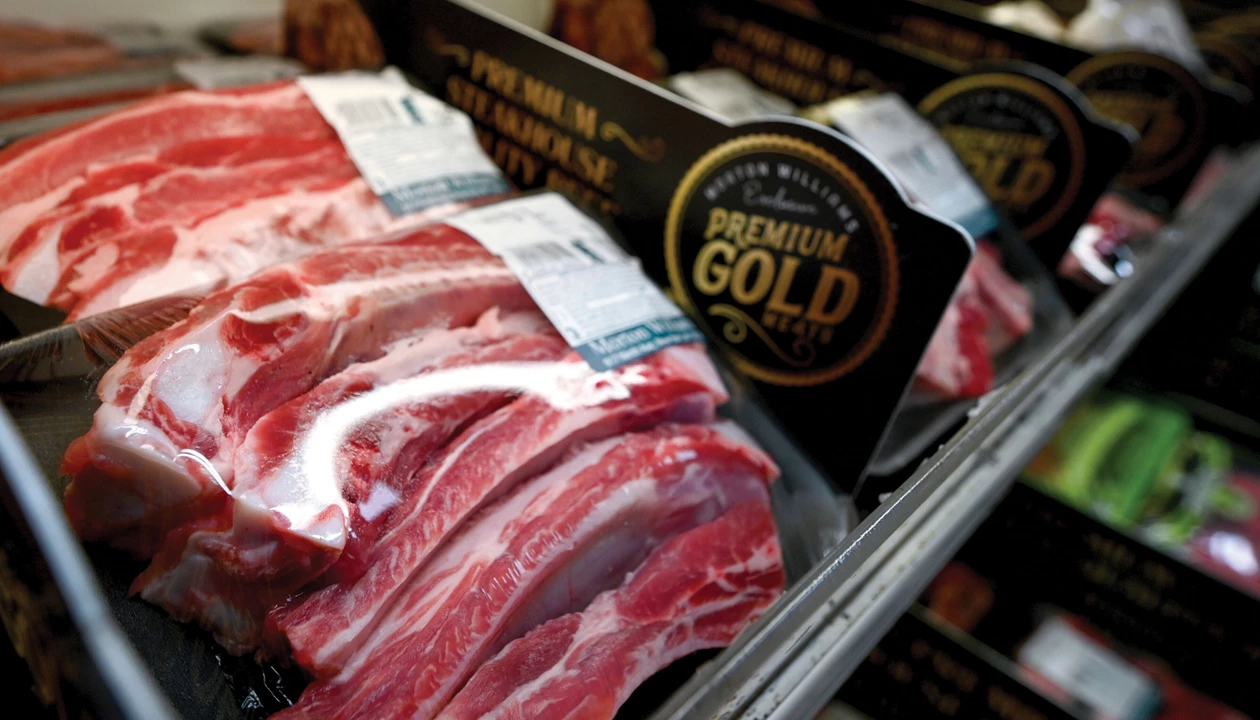
House Democrats introduce bill to ban toxic chemicals in food packaging
House Democrats have introduced legislation targeting phthalates and other toxic chemicals used in food packaging. The bill aims to ban or r
 cen.acs.org·22d ago
Study links common food additive mixtures to increased type 2 diabetes risk in French cohort
This prospective cohort study using NutriNet-Santé data investigates the association between five commonly consumed food additive mixtures a
 plos.io·26d ago
US Food and Drug Administration rejects petition to set Pfas limits in food
The Guardian·3h ago
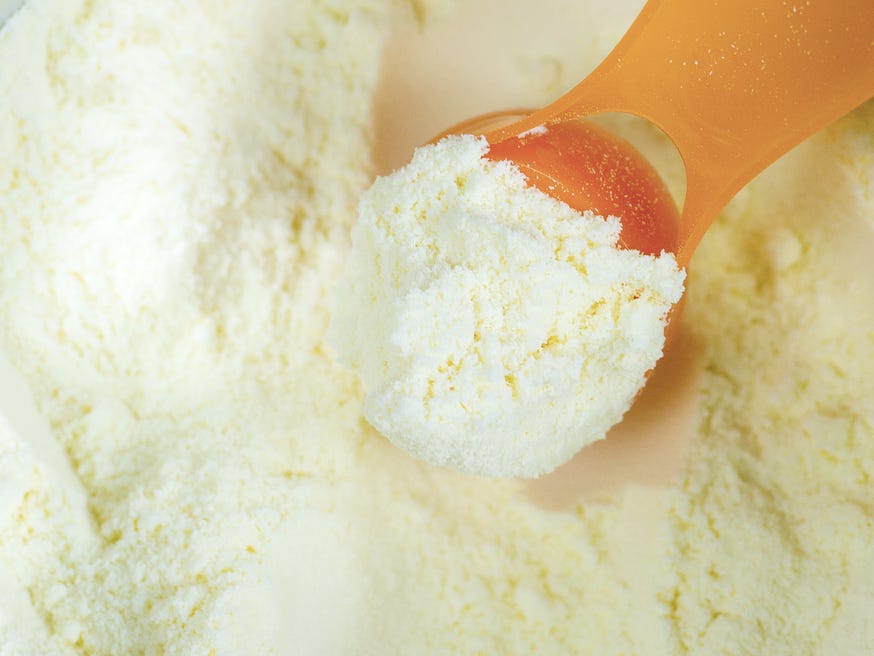
Over 10 Recalls Linked to Salmonella-Contaminated Milk Powder from California Dairies
Over 10 food recalls have been linked to powdered milk supplied by California Dairies due to potential Salmonella contamination. More than t
 delish.com·1mo ago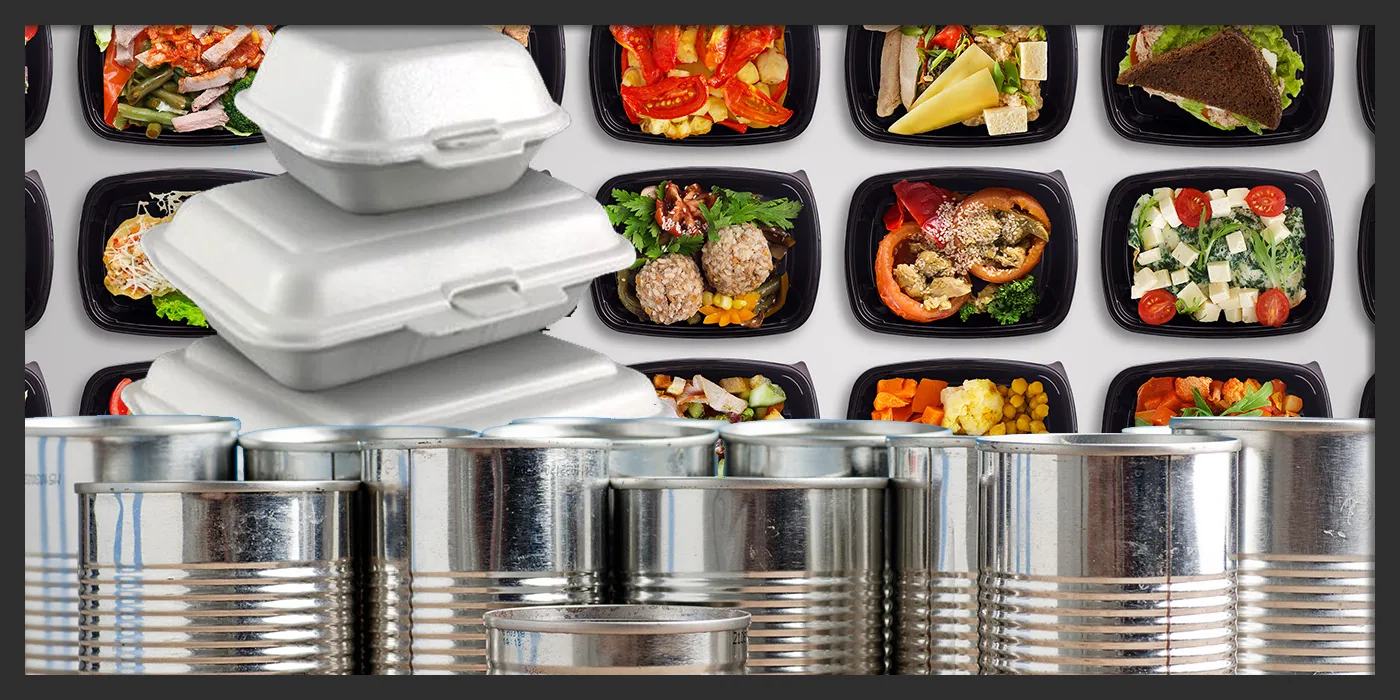
Make Our Food Safer. Ban Toxins in Food Packaging! | GMO/Toxin Free USA
mstr.app·21h ago
Comments
Sign in to join the conversation.
No comments yet. Be the first.