
























DfE publishes KCSIE 2026 with mobile phone-free default and AI safeguarding rules
By
Emma Thompson
9h agoen
Source
 edtechinnovationhub.comDfE publishes KCSIE 2026 with mobile phone-free default and AI safeguarding rulesedtechinnovationhub.com
The statutory safeguarding guidance for schools and colleges in England takes effect on September 1, with new expectations on generative AI , volunteer vetting, and information sharing. Keeping children safe in education 2026 comes into force in schools and colleges across England on September 1, 2026 The Department for Education has published the final version of Keeping children safe in education 2026, the statutory safeguarding guidance that all schools and colleges in England must follow, with the updated framework coming into force on September 1, 2026. Published on July 7, the guidance sets out the legal duties schools and colleges must follow to safeguard children under 18, and is intended for headteachers, teachers, school staff, governing bodies, proprietors, and management committees. Settings must continue to work to the 2025 edition until August 31, 2026. The 2026 update states that all schools should be mobile phone-free environments by default, with anything other than this by exception only. The Department for Education expects schools to implement policies under which pupils do not have access to their phones throughout the school day, including lessons, time between lessons, breaktimes, and lunchtime, with headteachers deciding how to achieve this in their own contexts. The guidance also expands its treatment of online harms. The definition of making or sharing nudes and semi-nudes now explicitly covers images digitally altered or wholly generated using artificial intelligence, including content sometimes described as deepfakes or deep nudes. Generative AI and filtering expectations New content directs schools and colleges to the Department for Education's Generative AI: product safety expectations, which explains how filtering and monitoring requirements apply to the use of generative AI in education, alongside guidance on data protection considerations and legal responsibilities for teacher-facing and pupil-facing AI tools. Filtering and monitoring expectations have been strengthened. Schools should review the effectiveness of their arrangements at least once every academic year, with reviews carried out by the senior leadership team member responsible for filtering and monitoring, supported by the designated safeguarding lead and IT support, and a record kept of checks across all internet-connected devices in all relevant locations. Data protection references throughout the guidance have been updated to reflect the Data (Use and Access) Act 2025, effective from January 2026, and the guidance restates that data protection laws should never prevent information sharing for the purposes of keeping children safe. Volunteer vetting rules rewritten The safer recruitment section has been rewritten following changes made by the Crime and Policing Act 2026, which removed the supervision exemption from regulated activity. Any person volunteering in a school or college in a role that involves teaching, training, instructing, or supervising children on more than three days in a month, or overnight, is now in regulated activity, with associated DBS check requirements. The previous annex on supervision of regulated activity has been removed. Other additions include new sections on sport, school premises safeguarding requirements, boarding and residential accommodation, young carers, children with medical conditions, and mobile phone policy, as well as updated content on children who are lesbian, gay, bisexual, or gender-questioning. Part five, covering child-on-child sexual harassment and sexual violence, has been substantially rewritten to highlight the continuum from harmful sexual behavior through to sexual violence. All staff now read Part one in full The condensed version of Part one, previously Annex A, has been removed. Governing bodies and proprietors should now ensure that all staff, including those who do not work directly with children, read Part one in full. A new quick-reference document, Part one: overview for all staff, has been published alongside the guidance but does not replace the full text. The Department for Education says the update reflects changes to multi-agency working ahead of legislation in the Children's Wellbeing and Schools Bill, findings from the recent Casey Audit, and new content relating to violence against women and girls. Schools and colleges have until September 1, 2026 to align child protection policies, training, and governance arrangements with the new requirements. A full summary of changes is available in Annex C of the guidance, and the 2025 edition remains in force until August 31. Subscribe to the ETIH Newsletter Sign up with your email address to receive news and updates. First Name Last Name Email Address Sign Up We respect your privacy and will not pass your email address on to third parties. However, we will occasionally send you promotional messages on behalf of our advertisers. Thank you!
You might also wanna read


England mandates phone-free school days under new Children's Wellbeing and Schools Act 2026
Starting Monday, June 29, 2026, the Children's Wellbeing and Schools Act 2026 comes into force in England, mandating that all state-funded s
 derbytelegraph.co.uk·8d ago
England mandates phone-free school days under new Children's Wellbeing and Schools Act 2026
Starting Monday, June 29, 2026, the Children's Wellbeing and Schools Act 2026 comes into force in England, mandating that all state-funded s
 leicestermercury.co.uk·9d ago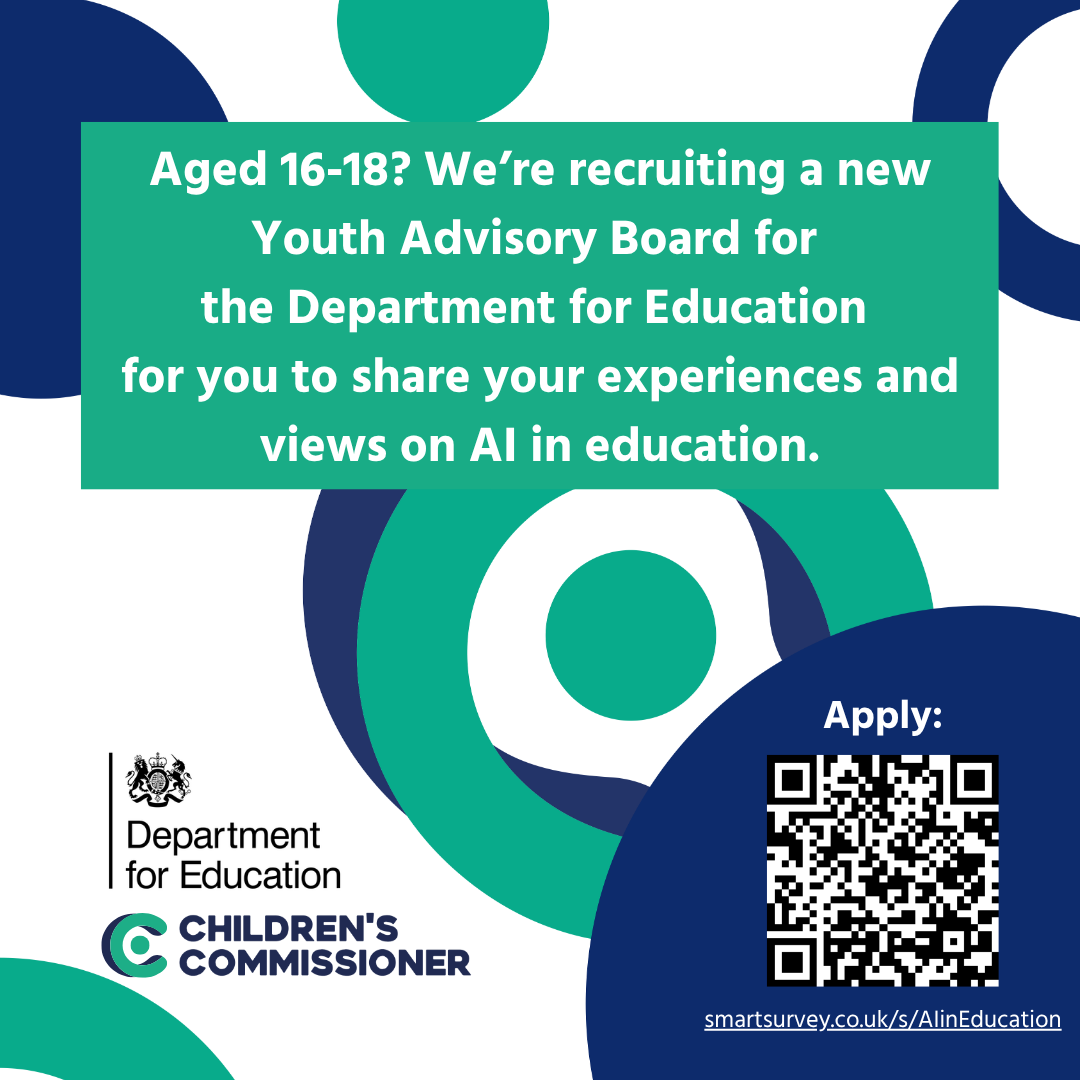
UK Department for Education launches Youth Advisory Board on AI in Education for 16-18 year olds
The Department for Education, in partnership with the Children's Commissioner, is launching a Youth Advisory Board to gather perspectives fr
 childrenscommissioner.gov.uk·15d ago
Lawmakers and school districts race to establish AI guardrails as classroom use surges
State lawmakers and school districts across the U.S. are scrambling to establish AI policies for K-12 education as usage of tools like ChatG
 oregoncapitalchronicle.com·27d ago
England's smartphone ban in schools becomes legally enforceable from June 29
A new law under Section 36 of the Children's Wellbeing and Schools Act 2026 comes into force in England on Monday, June 29, making smartphon
 examinerlive.co.uk·9d ago
European Commission Updates AI Ethics Guidelines to Help Teachers Navigate AI and Data Use in Schools
BABL AI·3mo ago
Comments
Sign in to join the conversation.
No comments yet. Be the first.