
























Development Timeline for Nathan Lambert's Reinforcement Learning from Human Feedback Book
The Reinforcement Learning from Human Feedback Book
Read the full articleYou might also wanna read

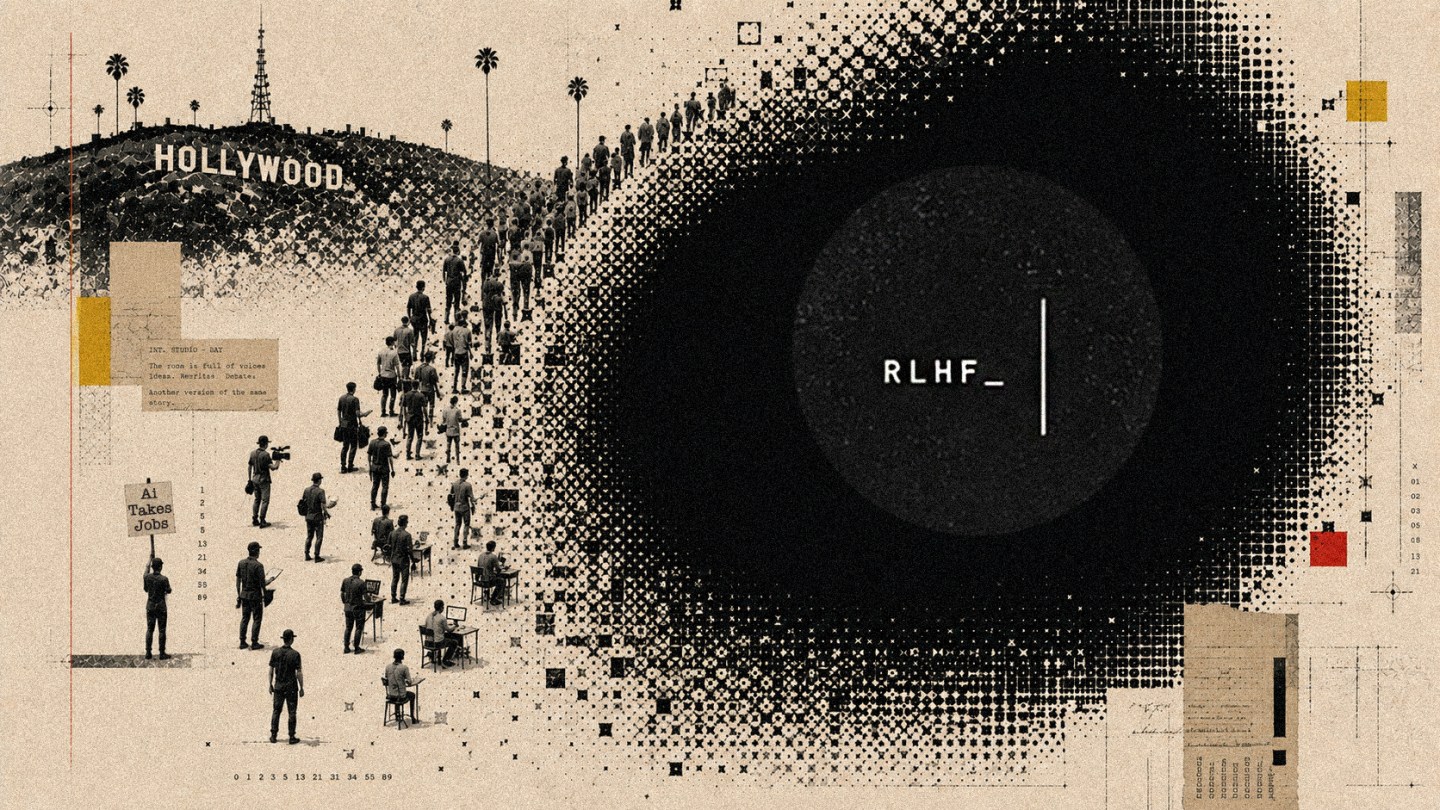
Hollywood workers moonlight as AI trainers amid industry contraction and strike-era fears
Some TV and film vets are taking gigs in the world of Reinforcement Learning from Human Feedback, helping smooth out Gen AI systems that may
 hollywoodreporter.com·23d ago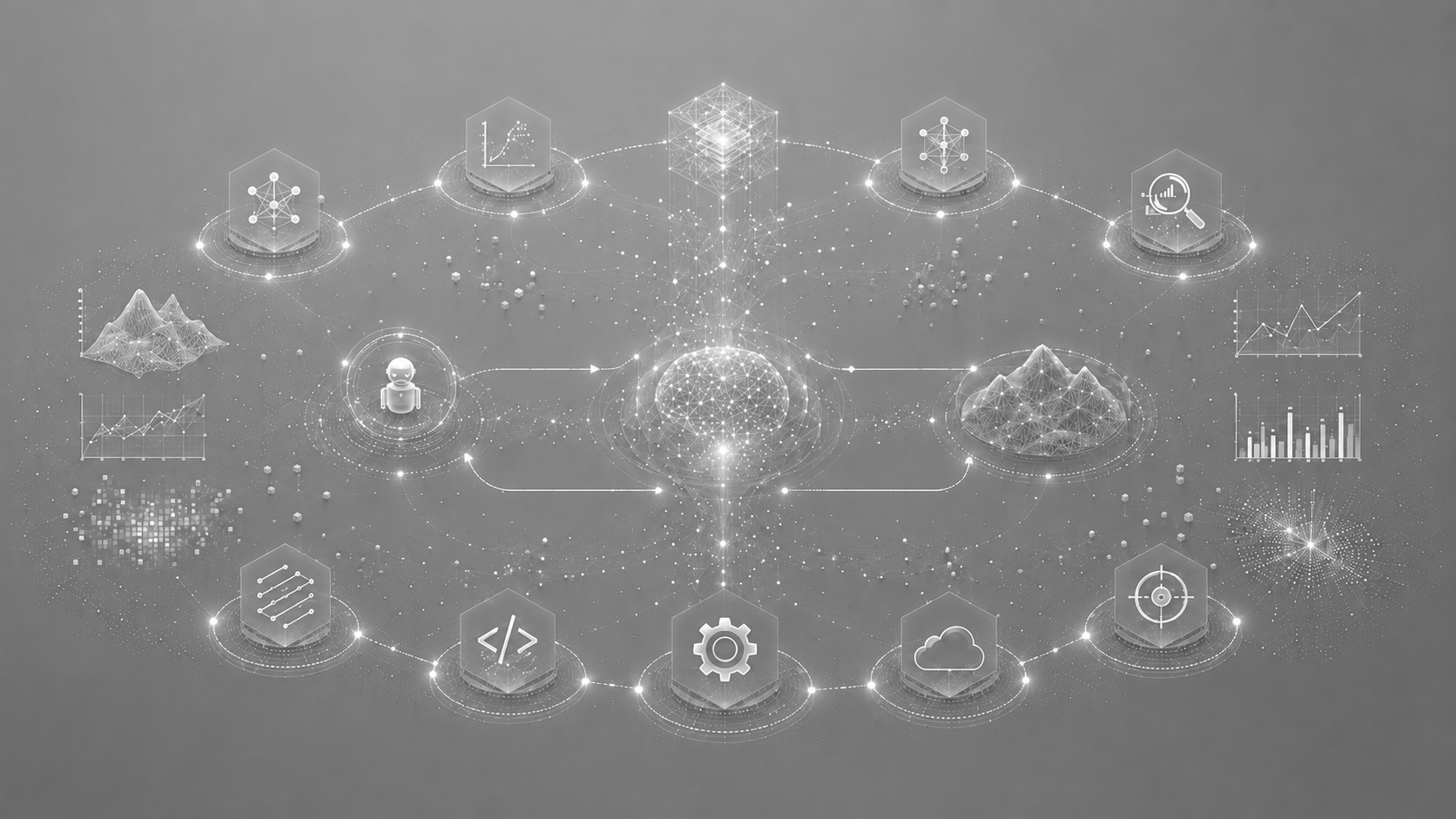
10 Open-Source Reinforcement Learning Frameworks for Training AI Agents
A practical list of agent RL training frameworks for GRPO, multi-step agents, tool use, long-horizon tasks, rollouts, and multi-agent workfl
 turingpost.com·25d ago
River: "‼️I wrote a new blog post‼️ "An Exploration into…" - DEF CON Social
‼️I wrote a new blog post‼️ "An Exploration into Reinforcement Learning" I talk about how RL is different from modern generative "AI" system
 defcon.social·1mo ago
DPO Fine-Tuning from First Principles in Python
Fine-tuning a Large Language Model (LLM) with human preferences used to require Reinforcement Learning from Human Feedback (RLHF): collect…
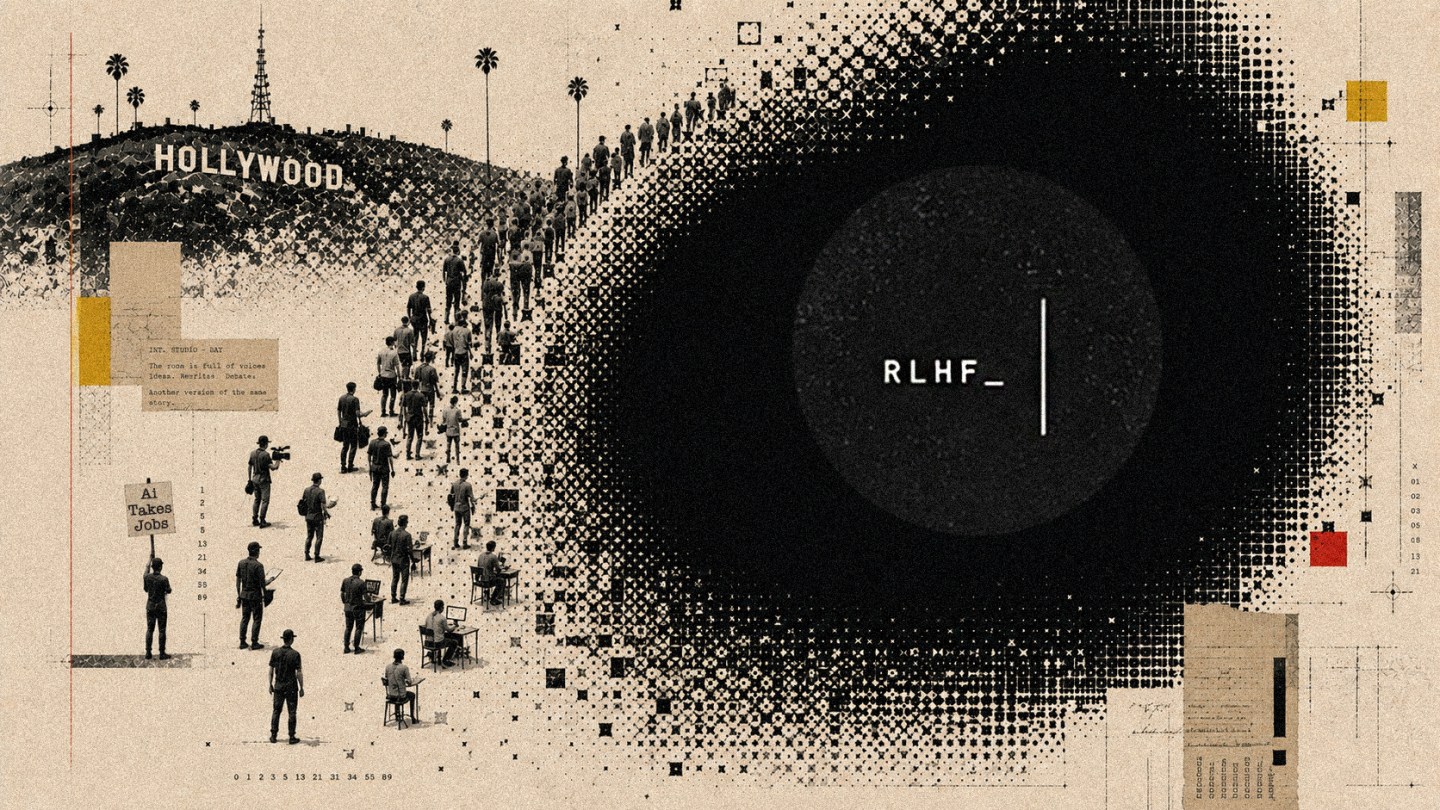
Hollywood creatives moonlight in AI training as entertainment industry jobs dwindle
Some TV and film vets are taking gigs in the world of Reinforcement Learning From Human Feedback, helping smooth out gen AI systems that may
hollywoodreporter.com·22d ago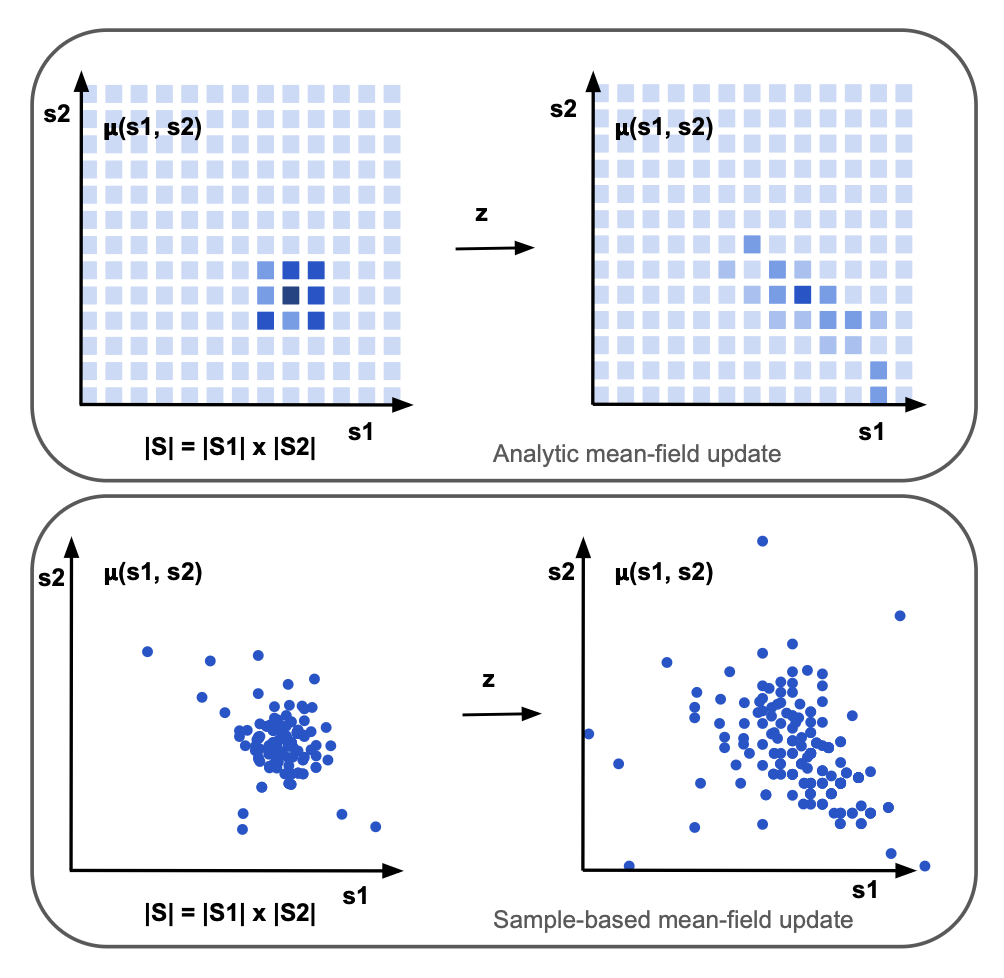
Recurrent Structural Policy Gradient: A Method for Partially Observable Mean Field Games
May 2026
Comments
Sign in to join the conversation.
No comments yet. Be the first.