





















Development and Content Validation of the Vienna Post-Exertional Malaise Questionnaire: An Iterative Mixed-Methods Study
By
@researchsquare
Summary
This study details the development and initial content validation of the Vienna Post-Exertional Malaise Questionnaire (VPEM-Q), a new instrument designed to capture post-exertional malaise as a multidimensional exertion-response pattern. Using an iterative mixed-methods approach, the researchers aimed to create a tool that accounts for diverse triggers, variable symptom onset, and prolonged recovery periods associated with PEM, which is a hallmark symptom of conditions like myalgic encephalomyelitis/chronic fatigue syndrome (ME/CFS).
Key quotes
· 3 pulledPost-exertional malaise (PEM) is increasingly understood not as a singular symptom but as a multidimensional exertion-response pattern involving diverse triggers, variable onset, and prolonged recovery.
This study aimed to develop and content-validate the Vienna Post-Exertional Malaise Questionnaire.
The iterative mixed-methods approach allowed for refinement of the instrument based on both expert input and patient perspectives.
You might also wanna read

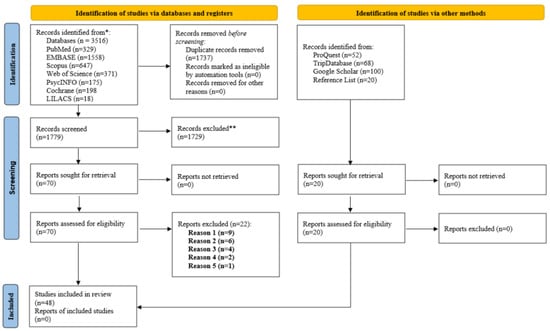
Scoping Review Reveals Methodological Gaps in EEG-Based Neurofeedback Research for Athletes and Non-Athletes
This scoping review examines EEG-based neurofeedback (NFB) research in athletes and non-athletes, analyzing methodological characteristics,

Objective vs. Subjective Sleep Traits: A Phenome-wide Analysis of Disease Associations in 88,461 Adults
The study investigates the associations between accelerometer-derived objective sleep traits and various diseases in 88,461 UK Biobank adult
 spj.science.org·10mo ago
Is My Favorite Workout Actually Disgusting?
 ELLE·27d ago
Scoping review finds bicycling improves psychological, social, and cognitive well-being beyond physical health benefits
This scoping review examines the impact of bicycling (both outdoor and stationary) on psychological, social, affective, and cognitive well-b
 frontiersin.org·25d ago
Research on Women's Physiology in Sports: Addressing Menstrual Cycles, Breast Movement, and Injuries
The article discusses how understanding the unique physiological challenges women athletes face - including menstrual cycles, breast tissue
 bbc.com·10mo ago