
























Appeasing bond markets has caused instability, not solved it — a critique of UK austerity politics
By
Andy Beckett
Summary
Andy Beckett argues that the UK's political obsession with appeasing bond markets and prioritizing austerity has led to economic instability, social impoverishment, and the rise of populism. He challenges the assumption that politics must always be dominated by market forces, suggesting that this approach has primarily benefited bond traders while harming wider society.
Source

 bskyAppeasing bond markets has caused instability, not solved it — a critique of UK austerity politicstheguardian.com
Key quotes
· 3 pulledShould politics always be dominated by economics?
In an anxious capitalist democracy such as Britain, with a modern history of patchy economic success and intermittent but recurring crises over public debt, the answer may seem obvious: governments and voters always need to behave in ways that fit with the market forces that shape our economy.
Austerity has benefitted bond traders but impoverished UK society and led to the rise of populism.
You might also wanna read


Media's Growing Obsession with Prediction Markets Raises Concerns About Political Discourse
The article critiques the media's growing obsession with prediction markets like Polymarket, using a CNN clip about Greenland gambling odds
 theatlantic.com·5mo ago
Debunking the Antitrust Critique of Housing Abundance
The article critiques the antitrust movement's claim that monopolies are the primary cause of America's housing crisis, arguing instead that
 derekthompson.org·10mo ago
Cory Doctorow Critiques AI Investment Bubble and Links Austerity to Fascism
Cory Doctorow critiques the massive investment in AI technology, arguing that it represents a form of 'AI psychosis' among billionaires and
 pluralistic.net·2mo ago
Brexit's complex impact on the UK art market, a decade later
A decade after the UK's 2016 Brexit vote, the article examines its impact on the British art market. Initial concerns about losing the UK's
 theartnewspaper.com·4d ago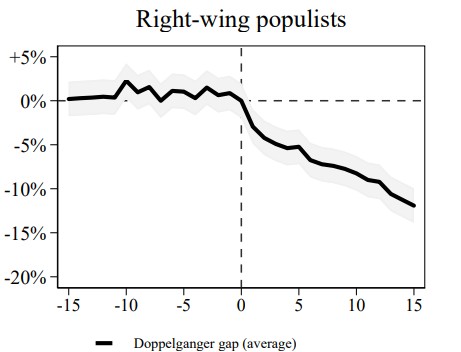
Research Shows Populist Governments Damage Economic Prosperity
This article examines the economic impact of populist governments based on research published in the American Economic Review. The analysis
 mainlymacro.blogspot.com·8mo ago
Comments
Sign in to join the conversation.
No comments yet. Be the first.