
























Depression: The Circadian Connection
New research suggests a unified approach to interpreting behavioral data could enhance depression screening. But is it more than just algorithmic optimism?
Read the full articleYou might also wanna read


Researchers develop game-based depression screening by measuring reward processing in the brain
Game-like tasks to measure the unconscious way the brain assesses rewarding experiences could help doctors screen patients more quickly for
 nih.gov·15d ago
Study Finds Association Between Daily Generative AI Use and Higher Depressive Symptoms in US Adults
This survey study examines the associations of generative artificial intelligence (AI) use with negative affective symptoms in a large natio
 jamanetwork.com·4mo ago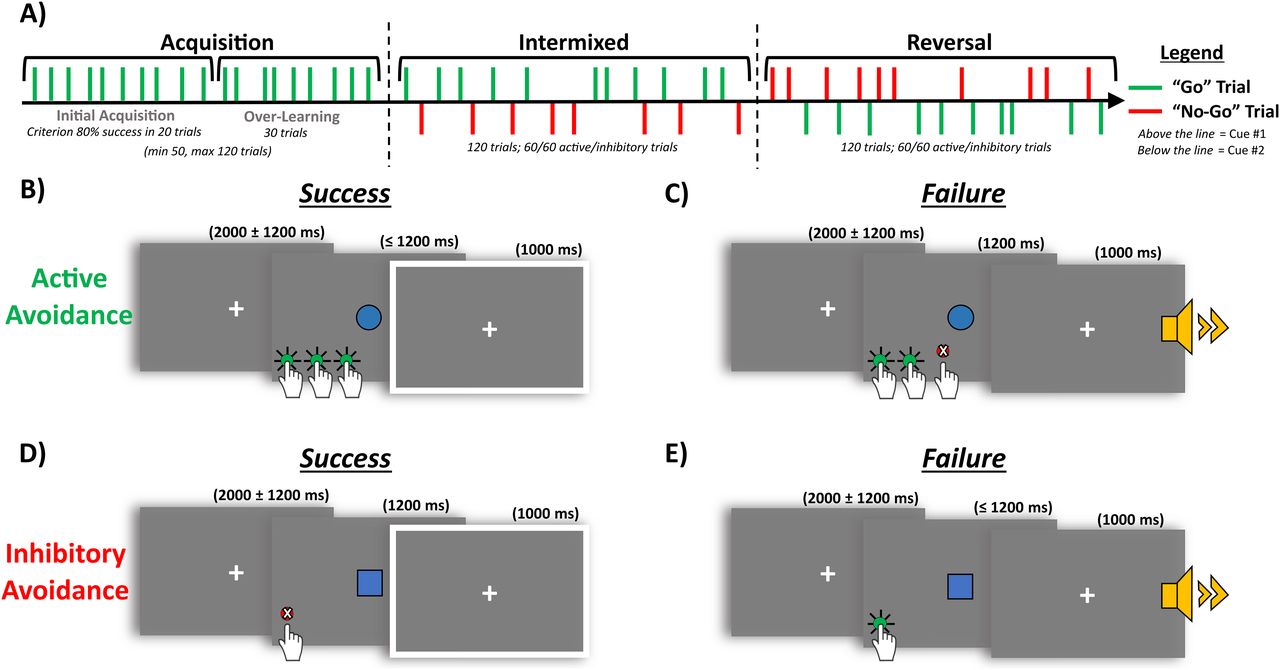
Research Links Depression to Reduced Ability to Learn Active Avoidance Behaviors in Young Adults
Depression and anxiety are often characterized by altered reward-seeking and avoidance, respectively. Yet less is known about the relationsh
 eneuro.org·9mo ago
Past Webinar – Best Practices for Digital Phenotyping Research in Aging Populations
Abstract: Digital phenotyping is transforming aging research by enabling high-frequency, real-world measurement of cognition, behavior, symp

Objective vs. Subjective Sleep Traits: A Phenome-wide Analysis of Disease Associations in 88,461 Adults
Background: Sleep traits have been suggested to correlate with various diseases, but most evidence is based on subjective sleep measurement.
 spj.science.org·11mo ago
Theta beta ratio in attention deficit hyperactivity disorder using a multiverse analysis
Attention deficit hyperactivity disorder (ADHD) affects 5–7% of children worldwide, yet diagnosis continues to rely on clinical-behavioral a
Comments
Sign in to join the conversation.
No comments yet. Be the first.