





















Debug Project: Using Sterile Mosquitoes to Combat Disease-Carrying Mosquitoes
By
Eridanus2

Crusty in the right places. Worth the chew.
Summary
Debug is a group of scientists and engineers developing technology to raise and release sterile mosquitoes to combat disease-carrying mosquitoes. The project focuses on using "good" (sterile) mosquitoes to eliminate "bad" mosquitoes that spread diseases.
Key quotes
· 3 pulledBad mosquitoes spread disease. Good mosquitoes can stop them.
Debug is a group of scientists and engineers developing technology to raise and release sterile mosquitoes to eliminate the ones that carry disease.
We're using technology to raise and release good mosquitoes.
You might also wanna read

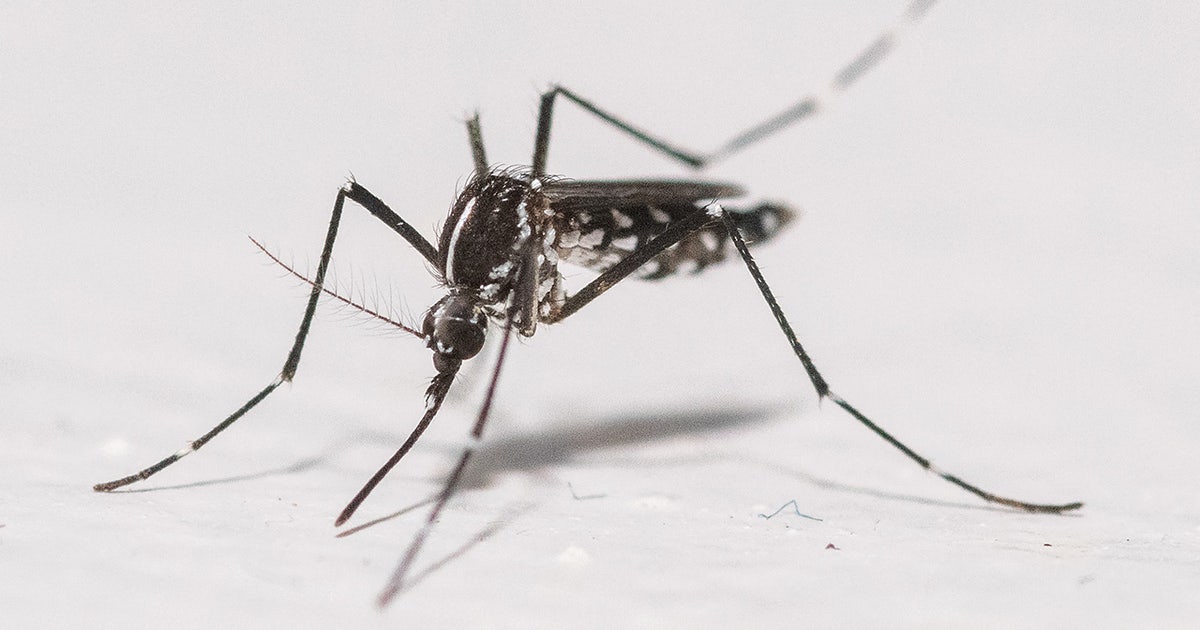
Google's Debug program seeks EPA permit to release 64 million modified mosquitoes in California and Florida
Google's Debug program plans to release up to 64 million genetically modified "good" mosquitoes in California and Florida over two years. Th
 bit.ly·11h ago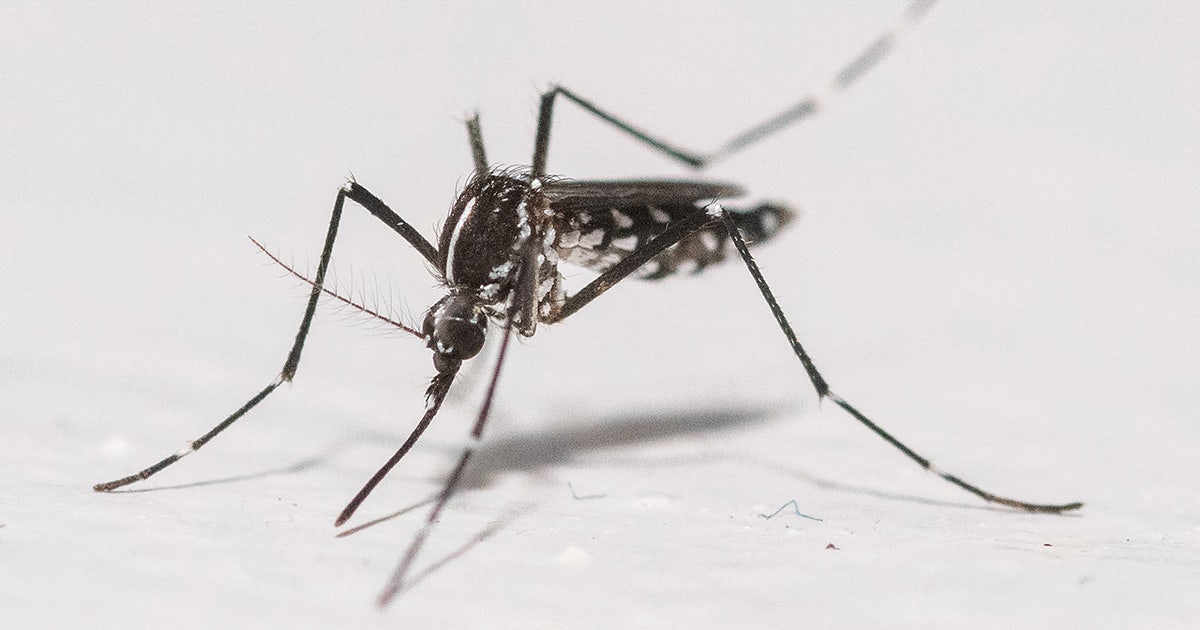
Google's Debug program seeks EPA permit to release 64 million modified mosquitoes in California and Florida
Google's Debug program plans to release up to 64 million genetically modified "good" mosquitoes in California and Florida over two years to
 bit.ly·22h ago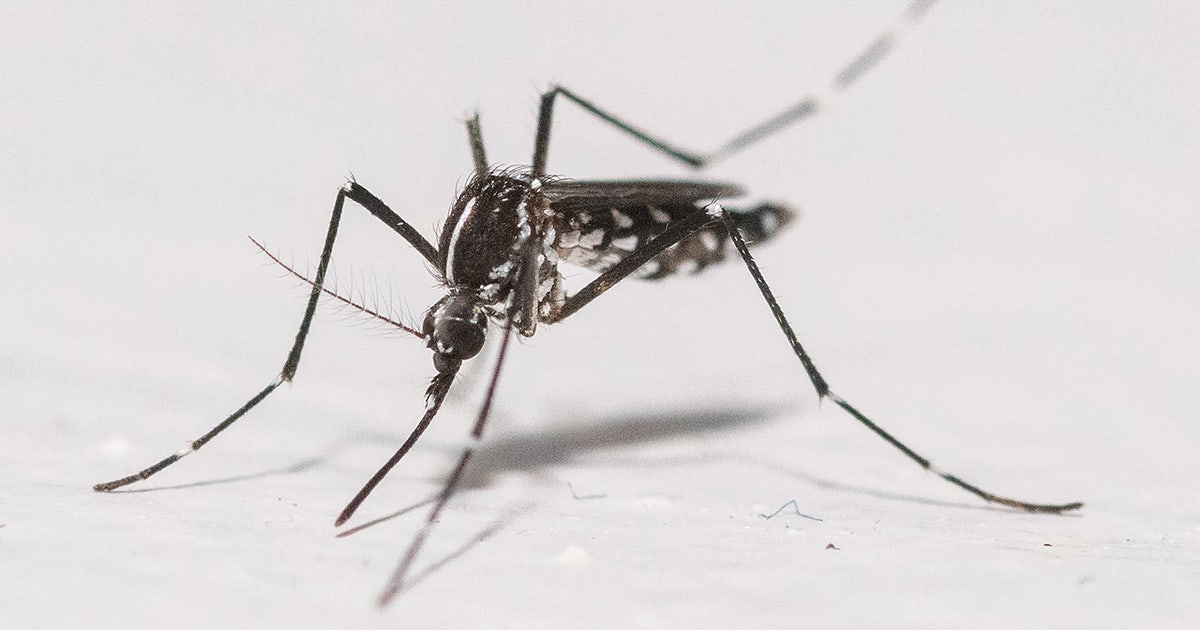
Google's Debug program seeks EPA approval to release 64 million modified mosquitoes in California and Florida
Google's Debug program plans to release up to 64 million genetically modified "good" mosquitoes in California and Florida over two years. Th
 fox35orlando.com·23h ago
From Plant Pathogens to Genome Editors: The Biotechnology Journey of TALEs and TALENs
This article reviews how TALEs (transcription activator-like effectors), originally discovered as bacterial proteins that Xanthomonas pathog
 doi.org·10h ago
Startup Pitches Brainless Human Clones for Brain Transplantation
A startup has been quietly pitching the concept of creating "brainless clones" of human bodies — cloned human bodies without a brain — that
 futurism.com·1d ago
AI-Powered Nanotweezers Enable Label-Free Analysis of Milk-Derived Extracellular Vesicles
Researchers developed an AI-assisted nanotweezer platform that uses electrohydrodynamic trapping, interferometric imaging, and deep learning
 azonano.com·4d ago