

























Databricks revenue surges over 80% but AI agent costs squeeze profit margins
By
Jordan Novet
Summary
Databricks is experiencing rapid revenue growth (over 80%) driven by surging demand for its data analytics tools and AI agents. However, the company's profit margins are shrinking because the consumption-based business model means more AI agent queries significantly increase operational costs. CEO Ali Ghodsi discussed this trade-off at the company's Data and AI Summit, highlighting that while AI agents generate more revenue through increased queries, they also drive up costs substantially.
Source

 bskyDatabricks revenue surges over 80% but AI agent costs squeeze profit marginscnb.cx
Key quotes
· 3 pulledIt's the consumption-based business model, agentic AI coming.
The agents are generating way more queries.
We have all these agents, the agents and agent platform we have also generates revenue, so it just increase
You might also wanna read

Databricks Secures Series K Funding at $100+ Billion Valuation to Expand AI Products
Databricks, a data and AI company, has signed a term sheet for its Series K funding round that values the company at over $100 billion. The
 databricks.com·10mo ago
Grok models now available natively on Databricks Agent Bricks platform
Databricks has partnered with SpaceXAI to make Grok models natively available on its Agent Bricks developer agent platform, announced at the
 x.ai·2d ago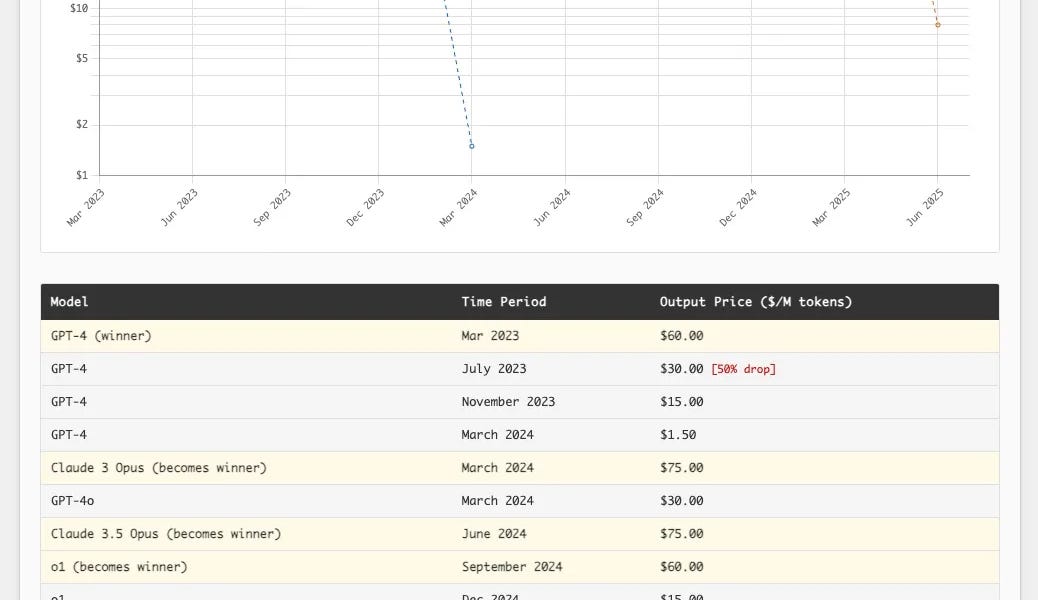
The Misconception of Falling AI Costs Saving Consumer Margins
The article discusses the challenges of pricing consumer AI products, using the example of a company aiming to charge $20/month despite high
 ethanding.substack.com·10mo ago
IBM CEO Questions Profitability of Big Tech's Massive AI Data Center Investments
IBM CEO Arvind Krishna expresses skepticism about the profitability of Big Tech's massive AI data center investments, questioning whether th
 businessinsider.com·6mo ago
Deconstructing AI Inference Costs: Why OpenAI and Anthropic May Be More Profitable Than Claimed
The article challenges the common narrative that AI companies like OpenAI and Anthropic are losing money on inference (running AI models at
 martinalderson.com·9mo ago
Analyzing the Economic Viability of AI Infrastructure Investments
This article is a follow-up to the author's previous analysis questioning the economic viability of AI investments. The author examines whet
 pracap.com·8mo ago