
























Critical Analysis of IPv6 Design Philosophy and Implementation Challenges
Last November I went to an IETF meeting for the first time. The IETF is an interesting place; it seems to be about 1/3 maintenance grunt wo...
Read the full articleYou might also wanna read

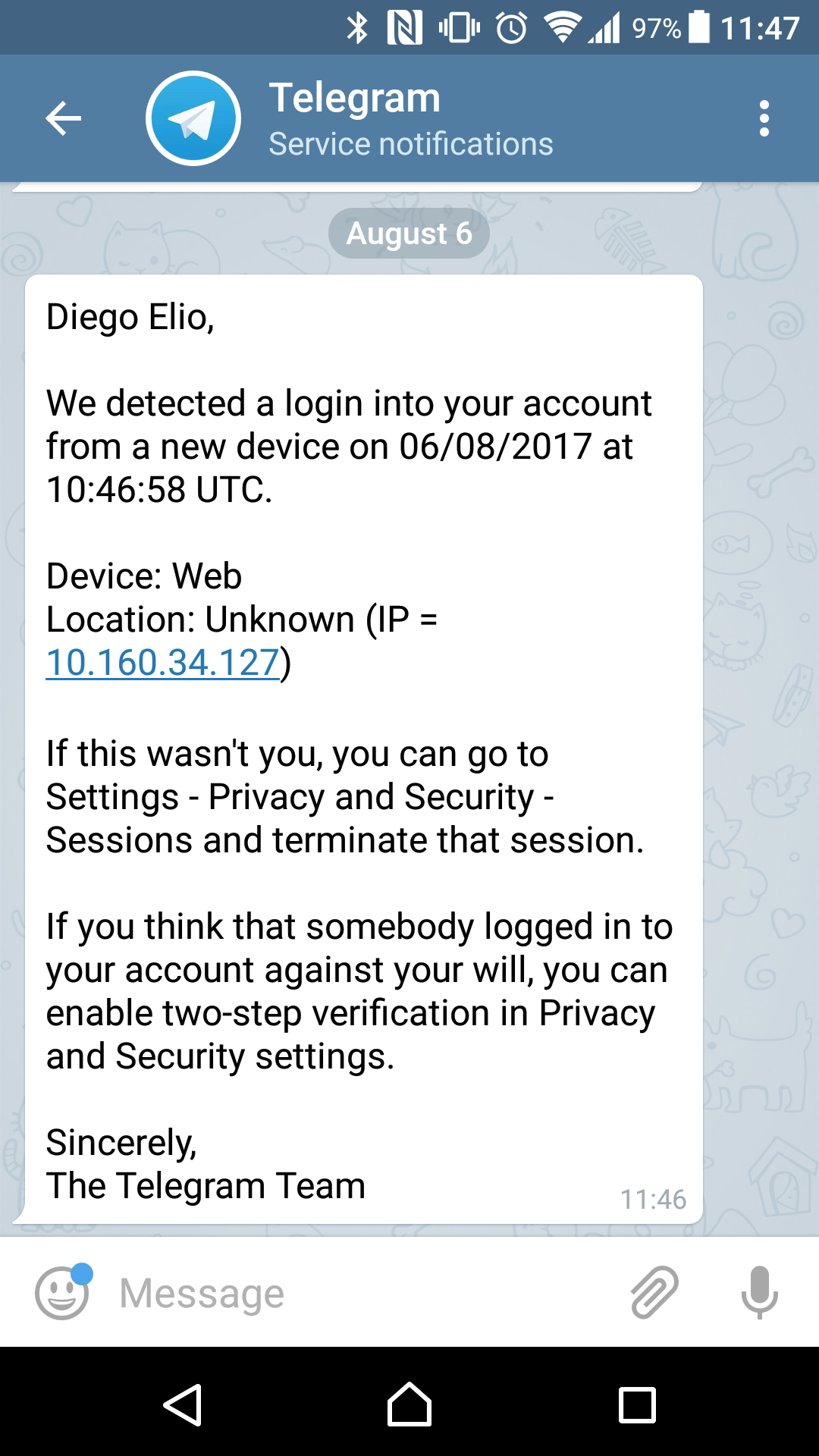
Telegram's IPv6 Implementation: A Case Study in Poor Network Compatibility
This starts to become an interesting series of blog posts, my ranting about badly implemented IPv6. Some people…

System Design Analysis of Slack's Real-Time Chat Architecture
building the real-time chat service
 systemdesign.one·24d ago
Navigating API Design Challenges in the MCP and AI Client Era
I've been slipping into the API design rabbit hole of MCP the last couple of weeks, as I work to refine the APIs.io MCP server, which is mea
 buttondown.com·17d ago
MCP Reaches the IETF: 15+ Internet-Drafts and What They Mean for the Protocol's Future
MCP has moved beyond Anthropic's GitHub repo into formal internet standards. We analyze 15+ IETF Internet-Drafts covering mcp:// URI schemes

Why Enterprise Networks Must Be Designed for Adaptability, Not Rebuilt for Each Technology Shift
Design the Network to Adapt, Not Rebuild for Every Technology Shift
 thefastmode.com·1mo ago
How ATproto's Protocol Design Prevents Platform Enshittification
Disclosure: I’m on the board of Bluesky, which was inspired by my “Protocols, Not Platforms” paper. But this post isn’t about Bluesky the ap
 techdirt.com·1mo ago
Comments
Sign in to join the conversation.
No comments yet. Be the first.