
























CRB-Optimal Arrays and Waveforms in Active Sensing: Role of Redundancy and Spatial Covariance of Array Geometry
Source
IEEECRB-Optimal Arrays and Waveforms in Active Sensing: Role of Redundancy and Spatial Covariance of Array Geometryieee.orgYou might also wanna read

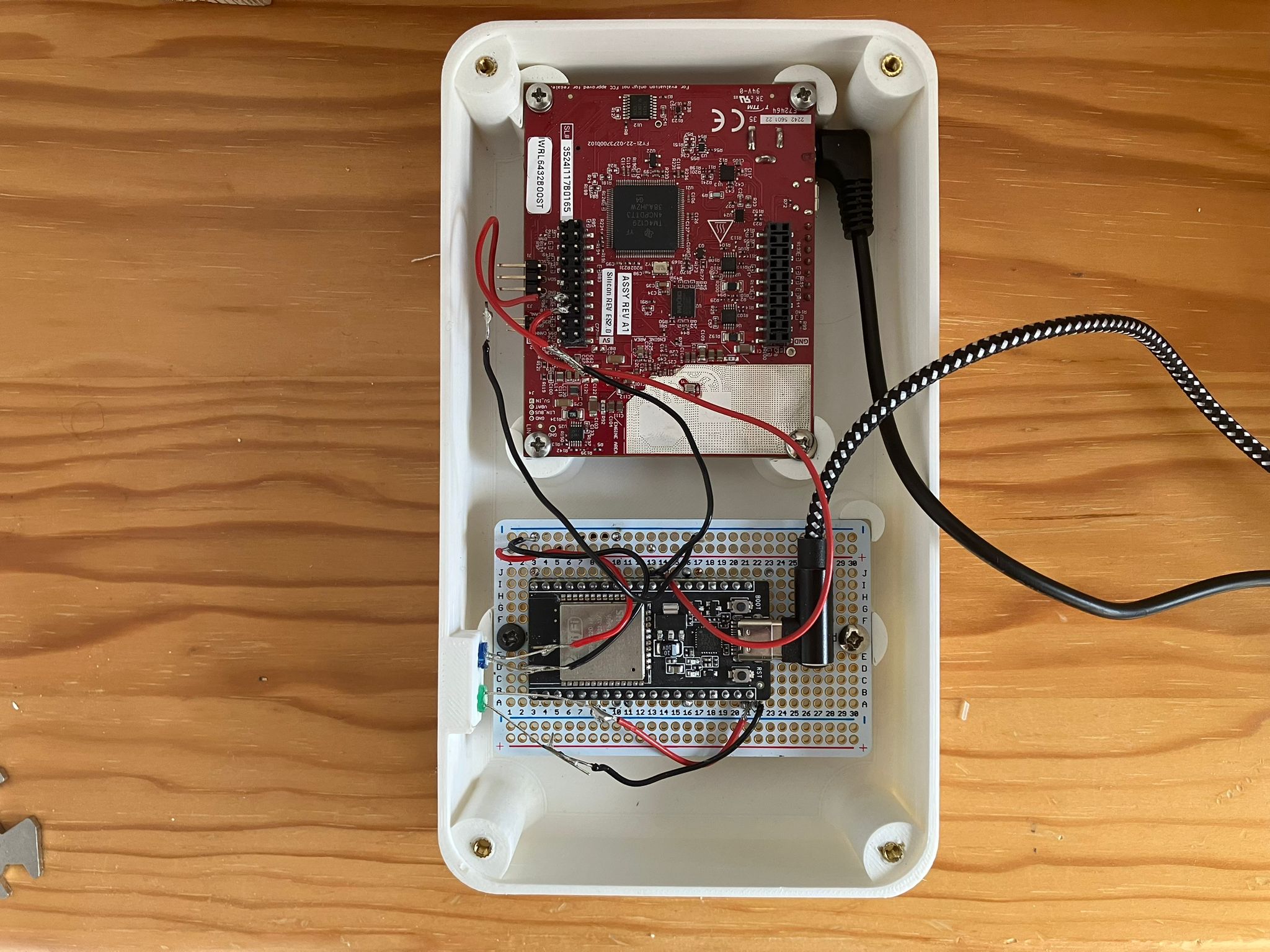
Building a mmWave material classification radar: A hardware startup journey
A detailed first-person account of building a millimeter-wave radar system for material classification (specifically asbestos detection) as
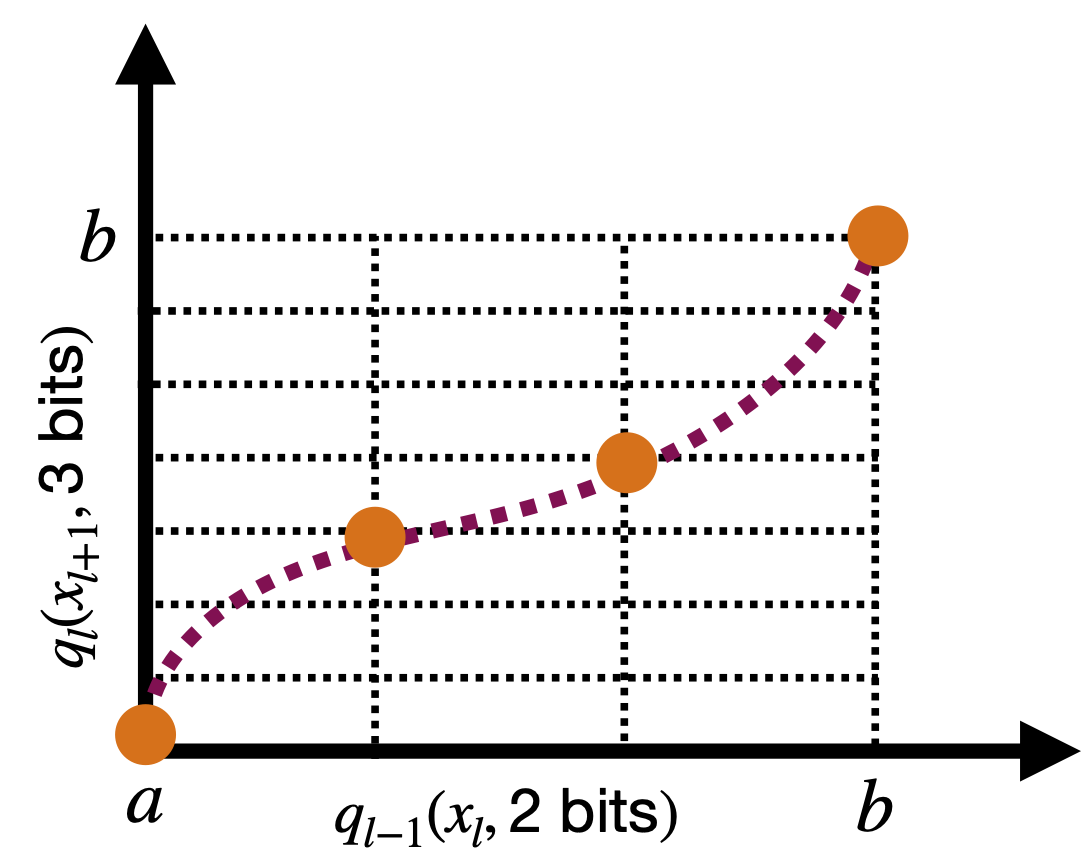
Ultrafast FPGA-based inference and online learning using Kolmogorov-Arnold Networks
This post explains the author's Master's thesis on designing hardware architectures for ultrafast inference and online learning using Kolmog
 aarushgupta.io·28d ago
Mathematicians Use Network Theory to Advance Understanding of Fourier Transform
Mathematicians have made significant progress on a long-standing problem related to the Fourier transform, a fundamental mathematical tool u
 quantamagazine.org·5mo ago
High Performance Image Sensor Processing Using FPGA [pdf]
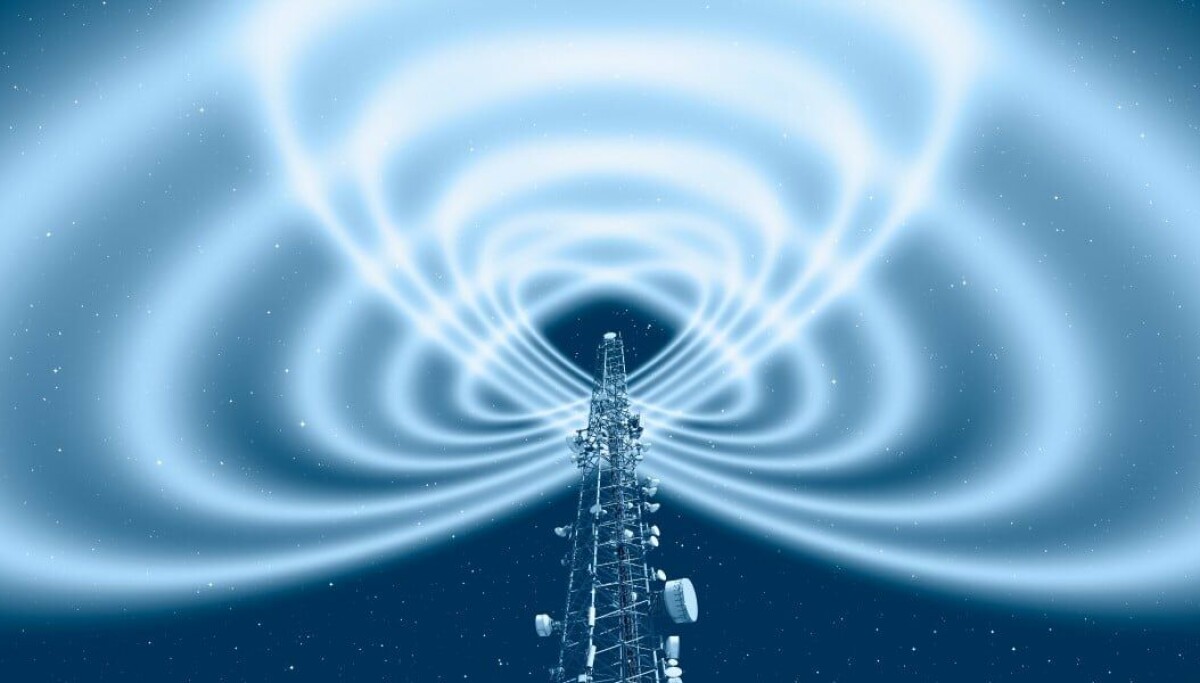
Rice University researchers show curving radio beams can deceive anti-jamming defenses
Rice University researchers have demonstrated that self-curving radio beams can mislead anti-jamming technology by making a jammer appear to
 theregister.com·1mo ago
Rice University researchers show curving radio beams can deceive anti-jamming defenses
Rice University researchers have demonstrated that self-curving radio beams can mislead anti-jamming technology by making a jammer appear to
theregister.com·1mo agoPlacing 5th in the GPU MODE QR Decomposition Competition: Optimization Techniques and Lessons Learned
A detailed technical blog post about placing 5th in the GPU MODE qr_v2 competition, which focused on optimizing QR decomposition on GPUs. Th
Comments
Sign in to join the conversation.
No comments yet. Be the first.