
























Cosmic Clues from Amaterasu: Blazar-Driven Ultrahigh-Energy Cosmic Rays?
Saikat Das et al 2025 ApJL 988 L8 Researchers have found evidence that the 244 EeV Amaterasu event could have originated from the nearby blazar PKS 1717+177, provided that there is a strong…
Read the full articleYou might also wanna read

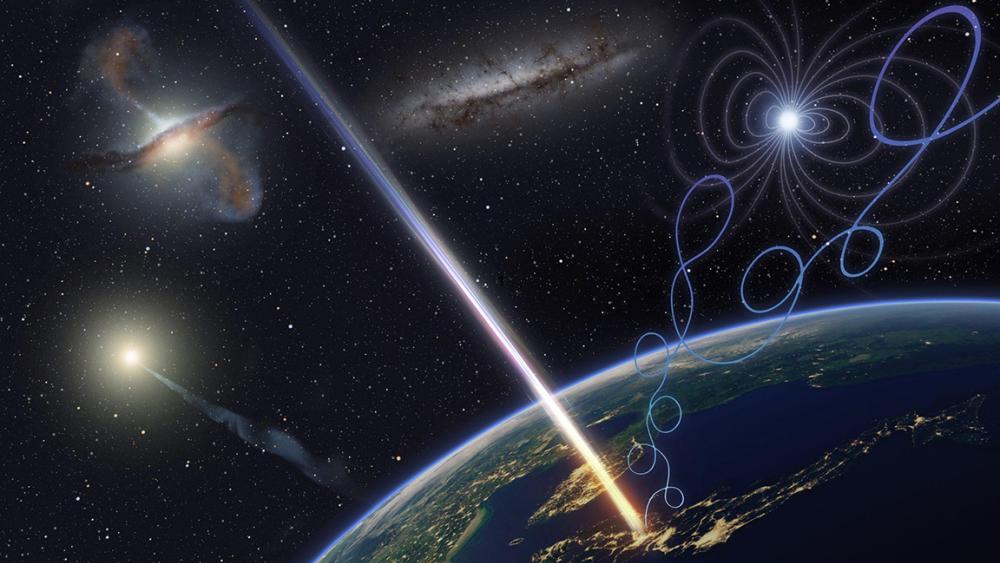
Ultraheavy nuclei may explain origins of highest-energy cosmic rays, Penn State study finds
UNIVERSITY PARK, Pa. — There may be an ultraheavy explanation for the mystery surrounding the origins of the highest-energy particles ever o
 psu.edu·1mo ago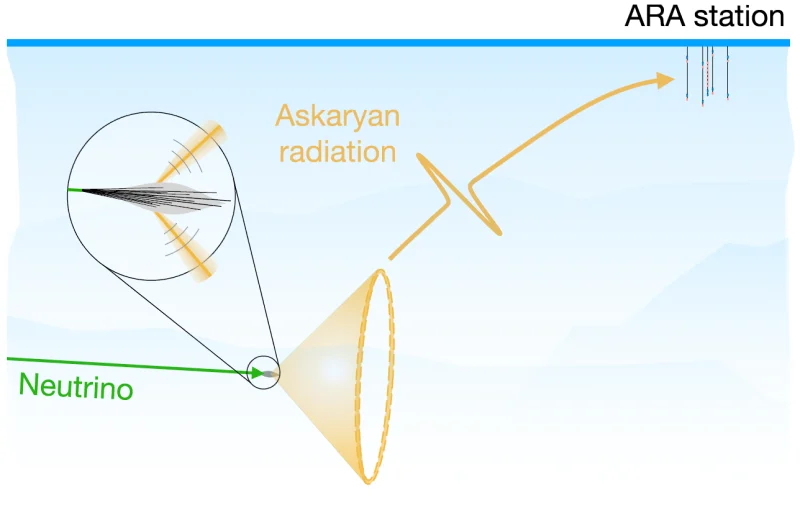
First direct observation of Askaryan radiation in ice confirms new method for detecting ultrahigh-energy neutrinos
Ultrahigh-energy neutrinos can be our gateway to studying some of the Universe’s most energetic but least understood phenomena. Today’s pape
 astrobites.org·1mo ago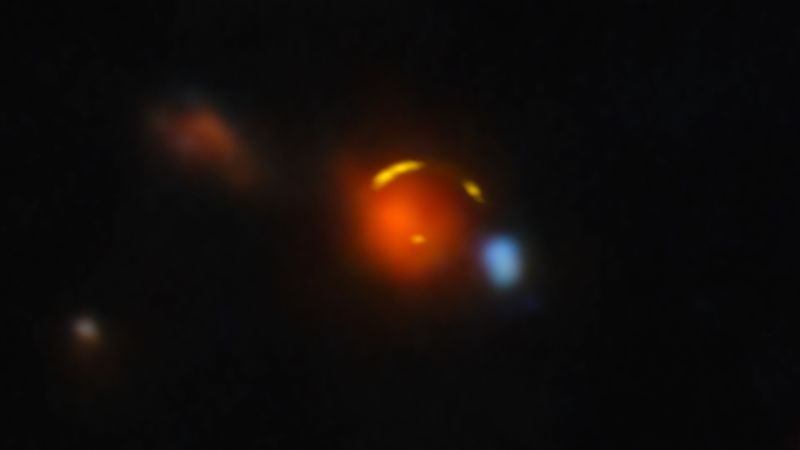
Astronomers trace high-energy neutrino to distant 'Shadow Blaster' galaxy 11 billion light-years away
Scientists still don’t know where ghostly particles called neutrinos originate. A distant galaxy could be a potential source.
 cnn.com·13d ago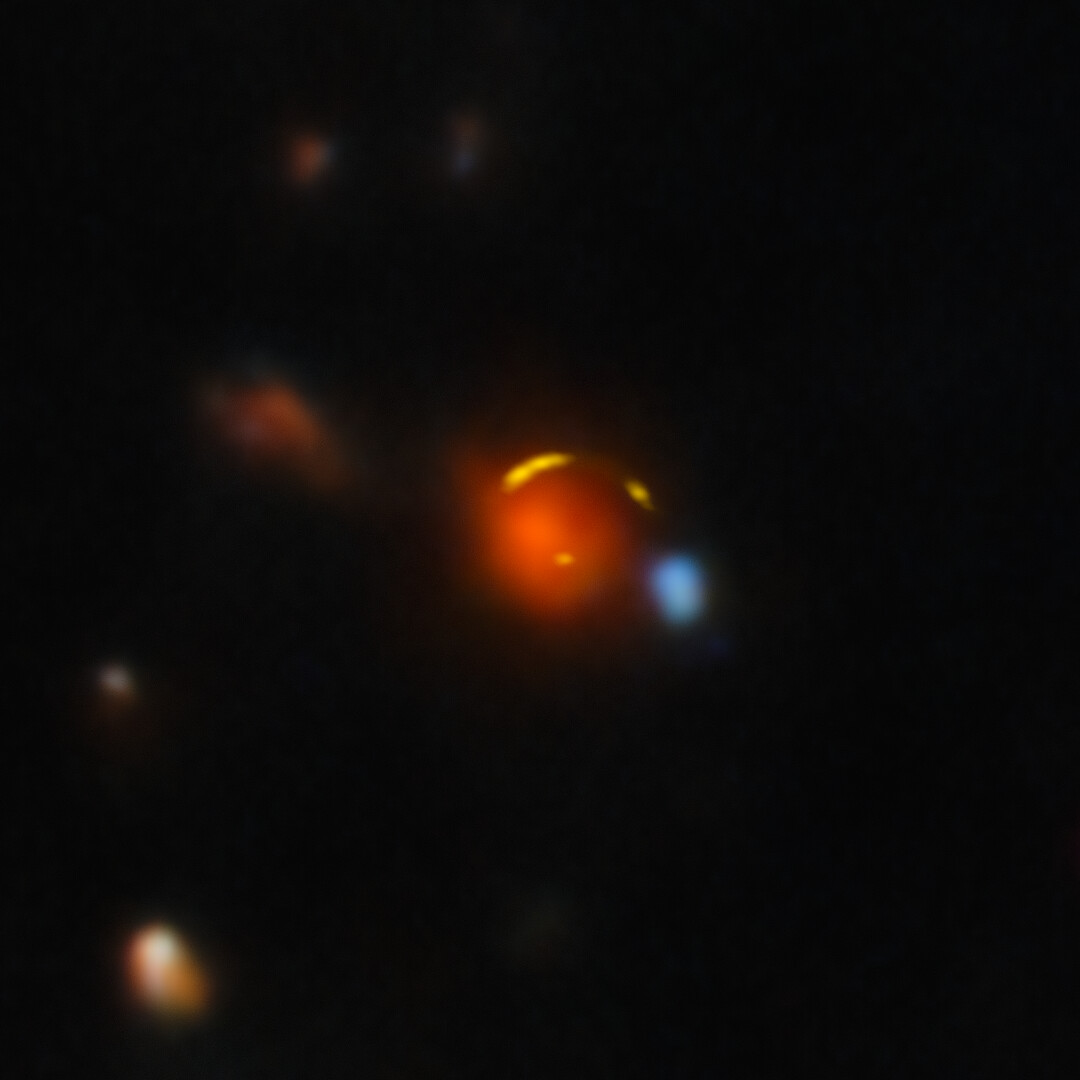
ALMA Identifies Ancient Starburst Galaxy as Likely Source of IceCube High-Energy Neutrino
Gravitational lensing allowed astronomers to study a compact, dust-obscured galaxy from 11 billion years ago that is the most plausible coun
 almaobservatory.org·20d ago
Quasar at the Dawn of the Universe “Blinked” for Astronomers have observed the flickering quasar J0439+1634 as it appeared just 850 million years after the Big Bang — one of the earliest such objects
Quasar at the Dawn of the Universe “Blinked” for Astronomers have observed the flickering quasar J0439+1634 as it appeared just 850 million
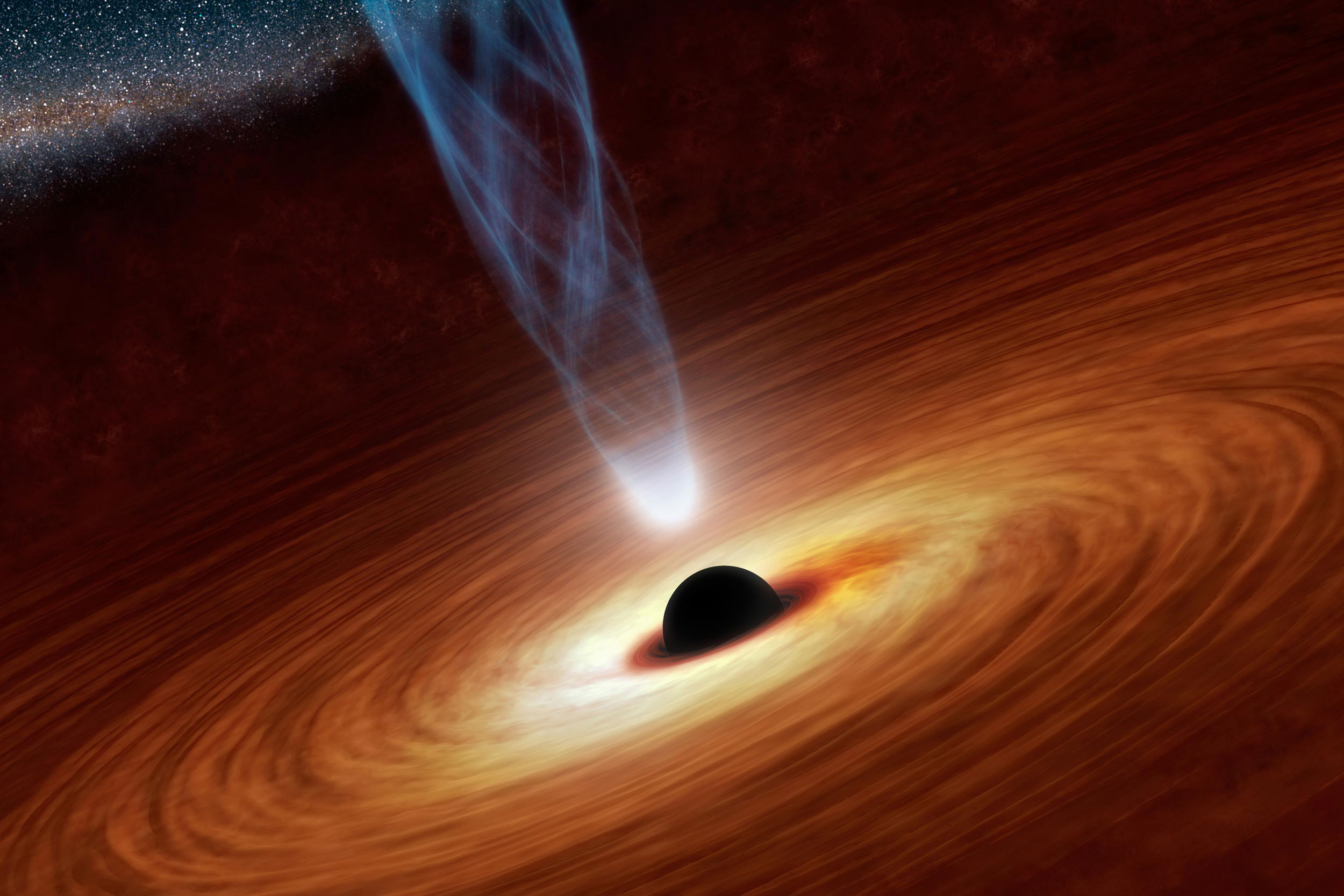
MIT astronomers detect earliest known flickering quasar from cosmic dawn era
Scientists detected a quasar flickering from the very early universe, a time known as the “cosmic dawn,” just 850 million years after the Bi
 news.mit.edu·1mo ago
Comments
Sign in to join the conversation.
No comments yet. Be the first.