
























Corruption Erodes Social Trust More in Democracies Than Autocracies Due to Democratic Norms
IntroductionWhile corruption exists in both democracies and autocracies, its social consequences may differ fundamentally across regime types. Democratic nor...
Read the full articleYou might also wanna read
Disrupting democracy: how informational pathways and misinformation shape trust in election results
Rossini, Patricia ORCID logoORCID: , Mont’Alverne, Camila and Kalogeropoulos, Antonis (2026) Disrupting democracy: how informational pathway


Study links online political hostility to offline democracy deficits and economic inequality
Social media is often blamed for toxic political debates, but a new global study links digital aggression to offline issues. Researchers fou
 psypost.org·13d ago
Democracy and the Epistemic Problems of Political Polarization: An Academic Analysis
Democracy and the Epistemic Problems of Political Polarization - Volume 118 Issue 4
 cup.org·16d ago
Work Shapes Politics More Than Your Wallet Does
A cross-disciplinary study finds job insecurity and low pay erode trust in parties and institutions
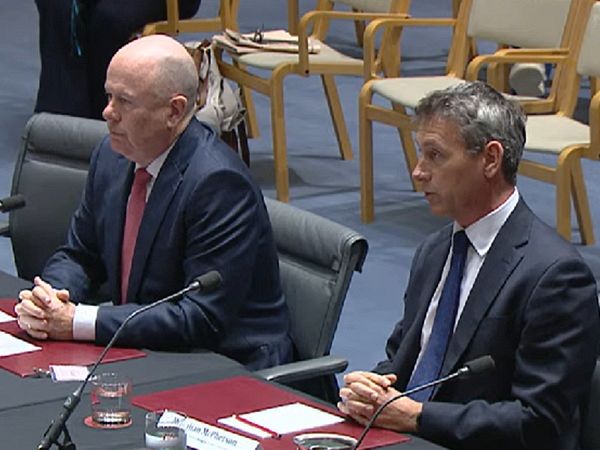
Corporate Australia's push for deregulation ignores eroded public trust from scandals and inequality
Trust in Australian business has been strained after years of corporate scandals and widening inequality, resulting in low public confidence
 independentaustralia.net·26d ago
Comments
Sign in to join the conversation.
No comments yet. Be the first.