
























Cornelis Networks and NextSilicon partner on AI and HPC reference architectures
By
Ben Wodecki
Summary
Cornelis Networks has partnered with chip startup NextSilicon to jointly create AI and high-performance computing (HPC) reference architectures. The collaboration will leverage Cornelis' CN5000 fabric and NextSilicon's Maverick-2 compute platform to address infrastructure bottlenecks in AI inference and HPC simulation workloads. The partnership reflects growing industry sentiment that standard Ethernet is inadequate for latency-sensitive AI and HPC workloads. The effort aims to combat infrastructure bottlenecks, with the scale-out networking solution already validated in the Stampede3 supercomputer.
Source

 bskyCornelis Networks and NextSilicon partner on AI and HPC reference architecturessdxcentral.com
Key quotes
· 3 pulledCornelis Networks is looking at accelerating AI computing, with it working on a reference architecture while also deploying its networking tech to support scientific and engineering workloads.
A newly struck partnership with chip startup NextSilicon will see the pair jointly create AI and high-performance reference architectures that will leverage Cornelis' CN5000 fabric and its partner's Maverick-2 compute platform.
The pair echo growing industry claims that standard Ethernet is not suited for the latency-sensitive bursts which AI inference and high-performance computing (HPC) simulation workloads demand.
You might also wanna read


Arm Launches AGI CPU: First Arm-Designed Silicon for AI Infrastructure
Arm announces the Arm AGI CPU, a new class of production-ready silicon built on the Arm Neoverse platform designed specifically for AI infra
 newsroom.arm.com·3mo ago
Developing a BLAS Library for the AMD AI Engine [pdf]
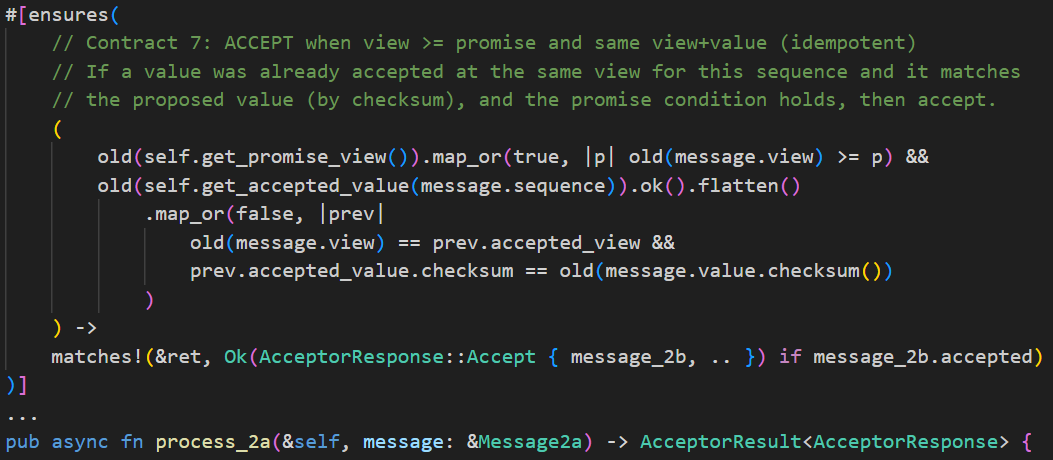
Building a Rust Multi-Paxos Engine with AI: Lessons from 130K Lines of Code
A developer shares their experience building a 130K-line Rust-based multi-Paxos consensus engine using AI coding agents over ~3 months. The

AMD Partners with OpenAI to Supply AI Processors in Challenge to Nvidia
AMD has announced a five-year partnership with OpenAI to supply six gigawatts worth of processors for AI data centers, challenging Nvidia's
 The Verge·8mo ago
Scientific computing must integrate AI and prioritize energy efficiency in the age of hyperscale cloud providers
The article discusses how the center of gravity in advanced computing has shifted from traditional scientific and engineering high-performan
 scim.ag·3d ago
Scientific computing must integrate AI and prioritize energy efficiency in the age of hyperscale cloud providers
The article discusses how the center of gravity in advanced computing has shifted from traditional scientific and engineering high-performan
scim.ag·3d ago
Microsoft Launches Maia 200 AI Accelerator Chip to Compete with Amazon and Google
Microsoft announces the Maia 200, its latest in-house AI accelerator chip built on TSMC's 3nm process. The chip features over 100 billion tr
The Verge·5mo ago
Comments
Sign in to join the conversation.
No comments yet. Be the first.