
























Constraints on the G1/S transition pathway may favor selection of multicellularity as a passenger phenotype
Multicellularity has emerged in the three branches of the tree of life. The formation of simple multicellular entities can either result from cells aggregating or staying together after mitosis…
Read the full articleYou might also wanna read

Genome sequencing reveals minimalistic multicellularity toolkit in slime mould Acrasis kona
Until recently, the genetic basis of aggregative multicellularity in a slime mould Acrasis kona remained obscure. Genome and transcriptome s
 communities.springernature.com·1mo ago
Raymond Goldstein: Decision-making without a brain
Volvocine algae are models organisms for the study of evolutionary transitions to multicellularity, as they span from the unicellular biflag

Genomic study reveals evolutionary origin of inducible defensive helmets in Daphnia sinensis
Plastic phenotypes are important biological adaptations, yet their evolution and genomic basis remains insufficiently unexplored. This study
 doi.org·1mo ago
Large-scale Hi-C analysis of 1,025 species reveals distinct evolutionary paths in genome architecture
Comparative Hi-C analysis across 1,025 species reveals that genome architecture has evolved along distinct trajectories, with plants favorin

Telomere biology and telomerase regulation across species: evolutionary insights into aging, longevity, and genome stability
Telomere biology and telomerase regulation across species: evolutionary insights into aging, longevity, and genome stability
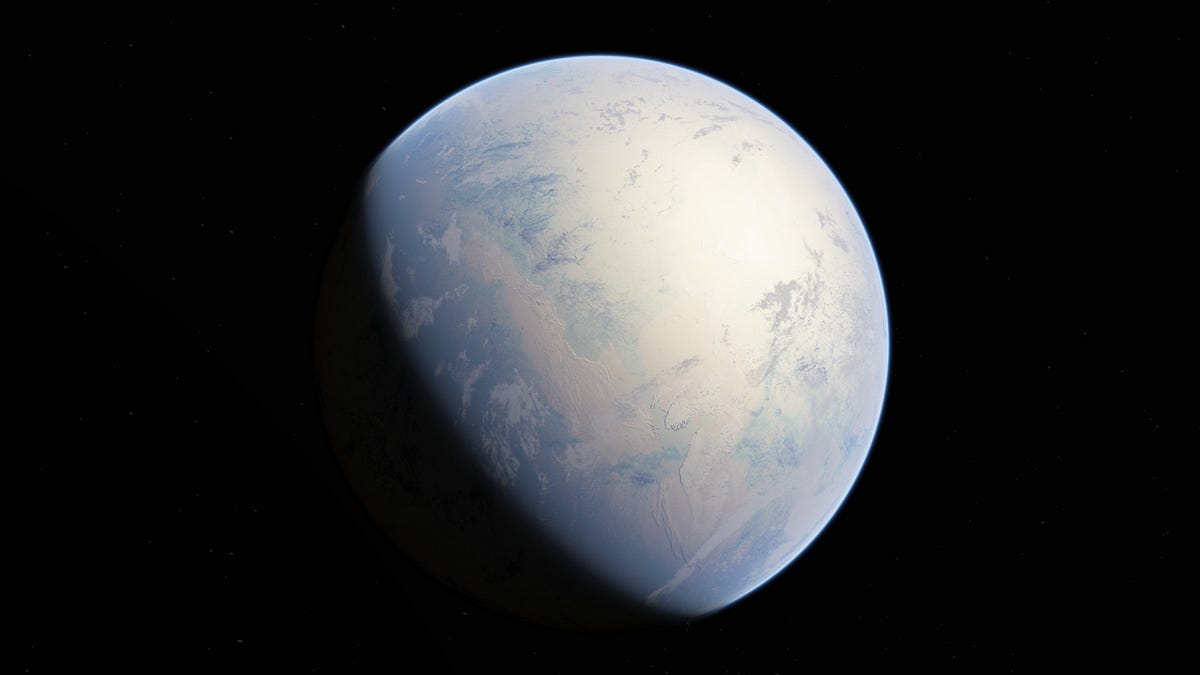
"Snowball Earth" glaciation may have driven the evolution of multicellular life, two studies suggest
Two independent papers published within one year show different lines of evidence
 oxylipins.substack.com·5d ago
Comments
Sign in to join the conversation.
No comments yet. Be the first.