
























Thomas Piketty argues current political ideologies cannot solve interconnected global crises
By
David Suzuki
Summary
Thomas Piketty argues that the current political ideology in power in the US and many other countries cannot address the interconnected "polycrisis" facing humanity, including climate change, inequality, and systemic instability. He contends that the climate crisis is not an isolated technological challenge but part of a larger system disequilibrium. The article explores how these connected crises, while daunting, contain opportunities to build a better, more equitable world if the right ideological shifts occur.
Source

 bskyThomas Piketty argues current political ideologies cannot solve interconnected global crisesrabble.ca
Key quotes
· 3 pulledThe climate crisis is not simply an isolated technological challenge. It's part of a much larger 'polycrisis.' After all, everything is interconnected.
The ideology of people currently in power or rising in the United States and many other countries can't deliver what most of humanity needs.
The magnitude of this 'system disequilibrium'...
You might also wanna read


Thomas Piketty on US Global Decline: Imagining a World Without American Hegemony
Economist Thomas Piketty argues that the US is losing global dominance and can no longer sustain its 'Pax Americana' through tribute payment
 lemonde.fr·6mo ago
From Climate Catastrophism to Pragmatism: An Evolving Perspective on Climate Risk
The author reflects on his evolution from being a climate catastrophist to adopting a more pragmatic approach to climate change. He acknowle
 breakthroughjournal.org·7mo ago
The Mathematical Nature of Wealth Inequality and AI's Disruption of Traditional Pathways
This essay argues that wealth distribution follows a power law rather than a normal distribution, making it fundamentally different from oth
 danielhomola.com·3mo ago
Why Climate Politics Matters: The Interplay of Policy, Power, and Social Context
This book excerpt examines the inherently political nature of climate change mitigation. It argues that politics is often misunderstood and
 cup.org·5d ago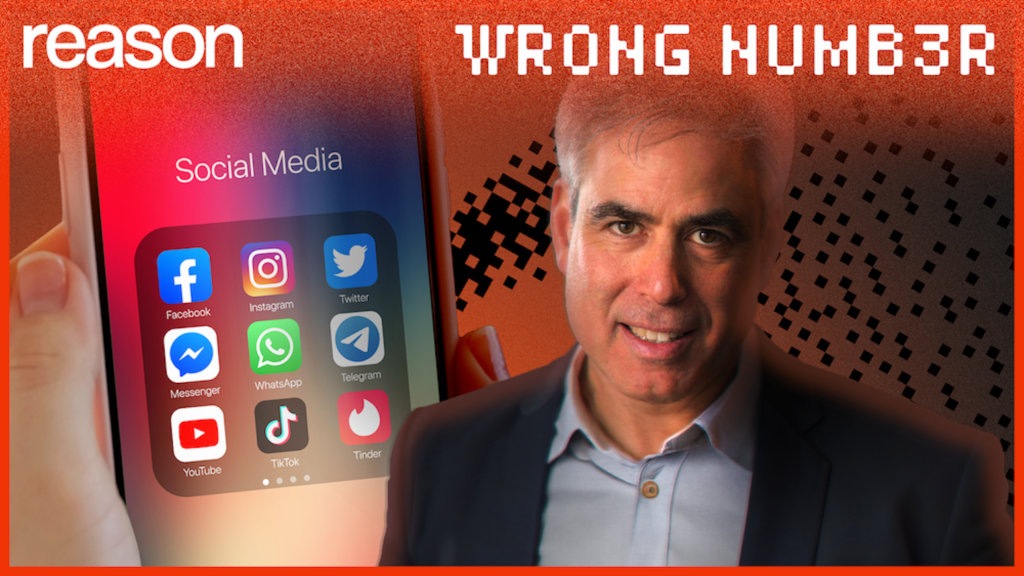
Critique of Jonathan Haidt's "The Anxious Generation" Questions Scientific Rigor of Social Media Claims
This article critiques Jonathan Haidt's book "The Anxious Generation," arguing that Haidt's claims about social media causing a teen mental
 reason.com·10d ago
AI Optimism Reflects Class Privilege and Socioeconomic Divides
The article explores how optimism about AI is unevenly distributed across society, arguing that one's position on AI's benefits depends larg
 joshcollinsworth.com·4mo ago
Comments
Sign in to join the conversation.
No comments yet. Be the first.