
























US income inequality persists despite Obama-era redistribution efforts
By
Eduardo Porter
Summary
The article examines the persistent and growing income inequality in the United States, contrasting the modest redistributive achievements of the Obama administration with the broader trend of wealth concentration among the top 1%. It questions whether America has the political appetite for meaningful redistribution, using Elon Musk as a symbol of the country's lopsided prosperity. The piece analyzes economic data, policy efforts, and the structural challenges facing any attempt to curb inequality.
Source

 bskyUS income inequality persists despite Obama-era redistribution effortstheguardian.com
Key quotes
· 3 pulledBy the end of 2016, taxes and transfers cut the share of income accruing to the richest 1% of households by just over a fifth, according to estimates from the congressional budget office (CBO), more than under any government since at least Jimmy Carter's.
The largest investments in reducing inequality since the Great Society.
Elon Musk is a beneficiary of America's lopsided prosperity – does the country have any appetite for redistribution?
You might also wanna read

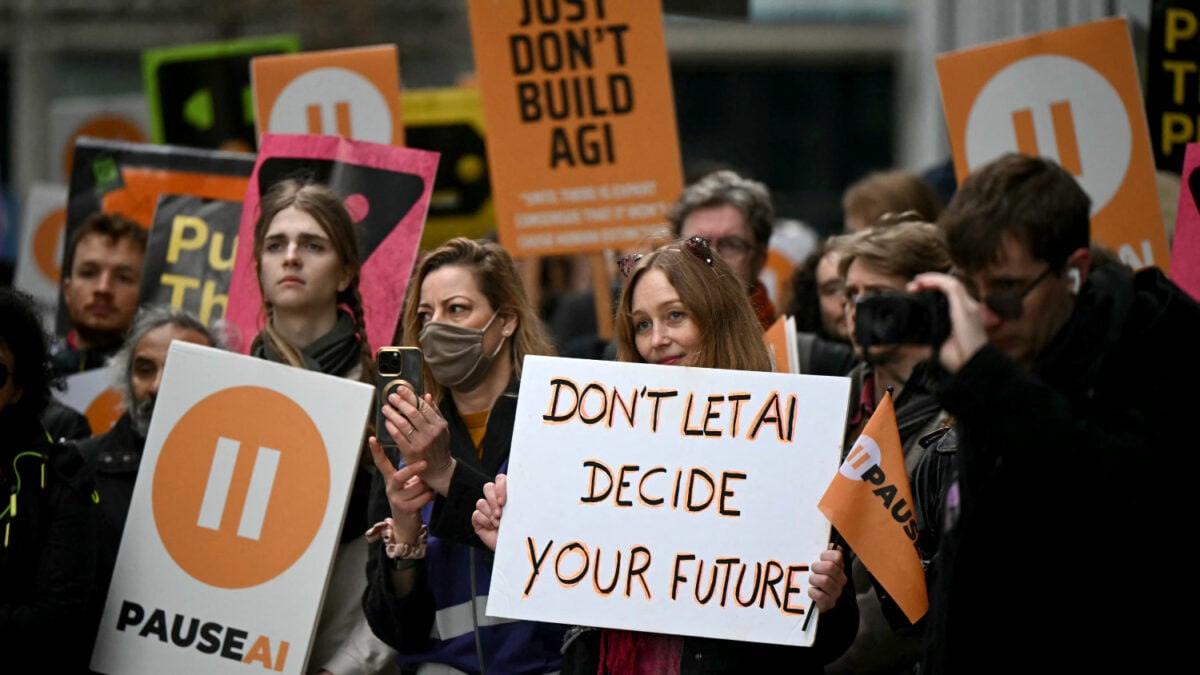
Polling Shows Americans View AI as Major Driver of Wealth Inequality
New polling data reveals that American voters increasingly view AI as a significant threat to economic equality and society, with concerns a
 gizmodo.com·3mo ago
Study Finds Ivy League MBA Students Favor More Unequal Distributions Than Average Americans
This study examines the fairness and efficiency preferences of future elites (Ivy League MBA students) through an incentivized lab experimen
 arxiv.org·9mo ago
Examining the Necessity of Billionaires in Modern America
The article critically examines the necessity and impact of billionaires in society, challenging the Reaganomics "trickle-down" theory that
 bjhess.com·27d ago
Economic growth, not redistribution, is the proven path out of poverty
The article argues that economic growth, not redistribution, is the proven path to ending global poverty. It critiques a recent "Global Just
 ocregister.com·11d ago
The Mathematical Nature of Wealth Inequality and AI's Disruption of Traditional Pathways
This essay argues that wealth distribution follows a power law rather than a normal distribution, making it fundamentally different from oth
 danielhomola.com·3mo ago
Comments
Sign in to join the conversation.
No comments yet. Be the first.