
























Community-level impacts of low-level diesel exposure on a natural cold-temperate/ subarctic phytoplankton assemblage
Phytoplankton play central roles in marine food webs and carbon cycling, yet their responses to recurrent low-level inputs of refined oils remain poorly understood. We used a 16-day mesocosm…
Read the full articleYou might also wanna read

Analysis of Diatom and Dinoflagellate Biomass Shifts in the North Atlantic Over Six Decades
The North Atlantic Ocean has large seasonal blooms rich in diatoms and dinoflagellates which can contribute disproportionately relative to o
journals.plos.org·1y ago
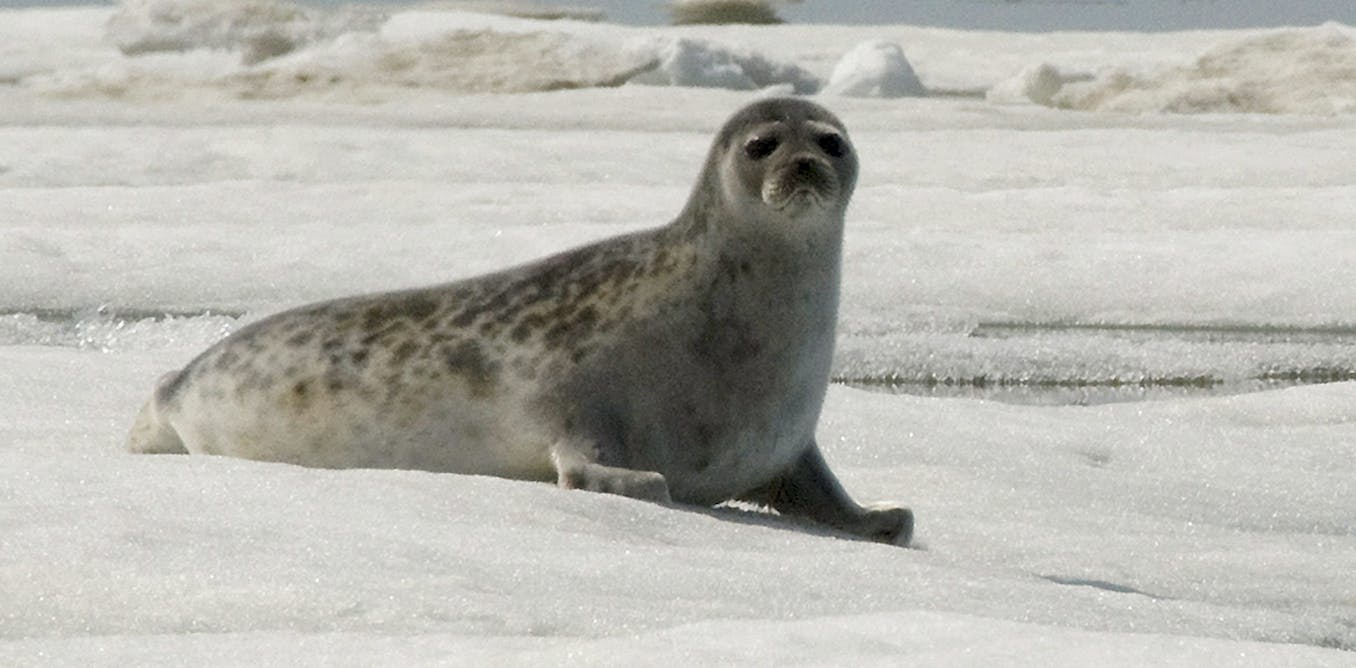
Study finds chemical pollution and climate warming harming Arctic ringed seals at molecular level
New research shows seals are being affected by chemical pollution in the Arctic food web and rapid climate-driven warming that is transformi
 theconversation.com·22d ago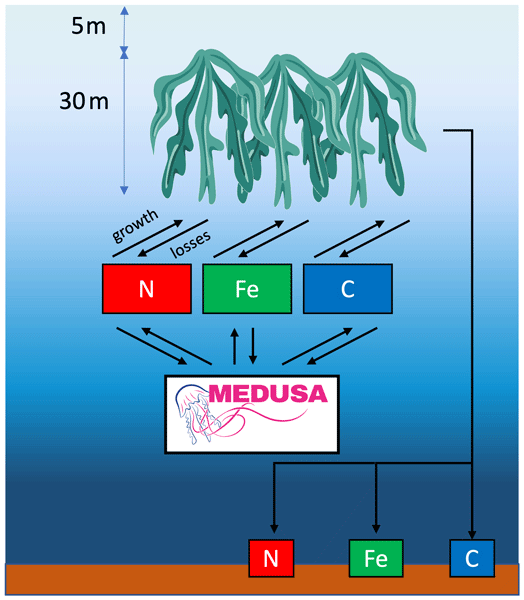
Study finds large-scale seaweed cultivation offers low carbon removal potential with significant ecological costs
Abstract. The large-scale cultivation of macroalgae has been proposed as a marine carbon dioxide removal (mCDR) strategy, yet its efficiency
 bg.copernicus.org·1mo ago
Quantifying farmed kelp atmospheric CO2 uptake and release through localized air-sea flux measurements in the Northern Gulf of Alaska
Abstract. The rapid growth of mariculture in the United States, particularly in Alaska, has ignited interest in the co-benefit of using farm
 os.copernicus.org·1mo ago
Déchets radioactifs de l'Atlantique : les scientifiques constatent des fuites à 4 700 mètres de profondeur
La mission française Nodssum a observé de près des fûts de déchets radioactifs immergés dans l'Atlantique Nord-Est. Fortement corrodés, cert
The Drivers of Shifting Sockeye Salmon Migration Phenology in Bristol Bay, Alaska
The timing of sockeye salmon spawning migration is crucial for ecosystem function, fishery management, and the reproduction of salmon popula
Comments
Sign in to join the conversation.
No comments yet. Be the first.