

























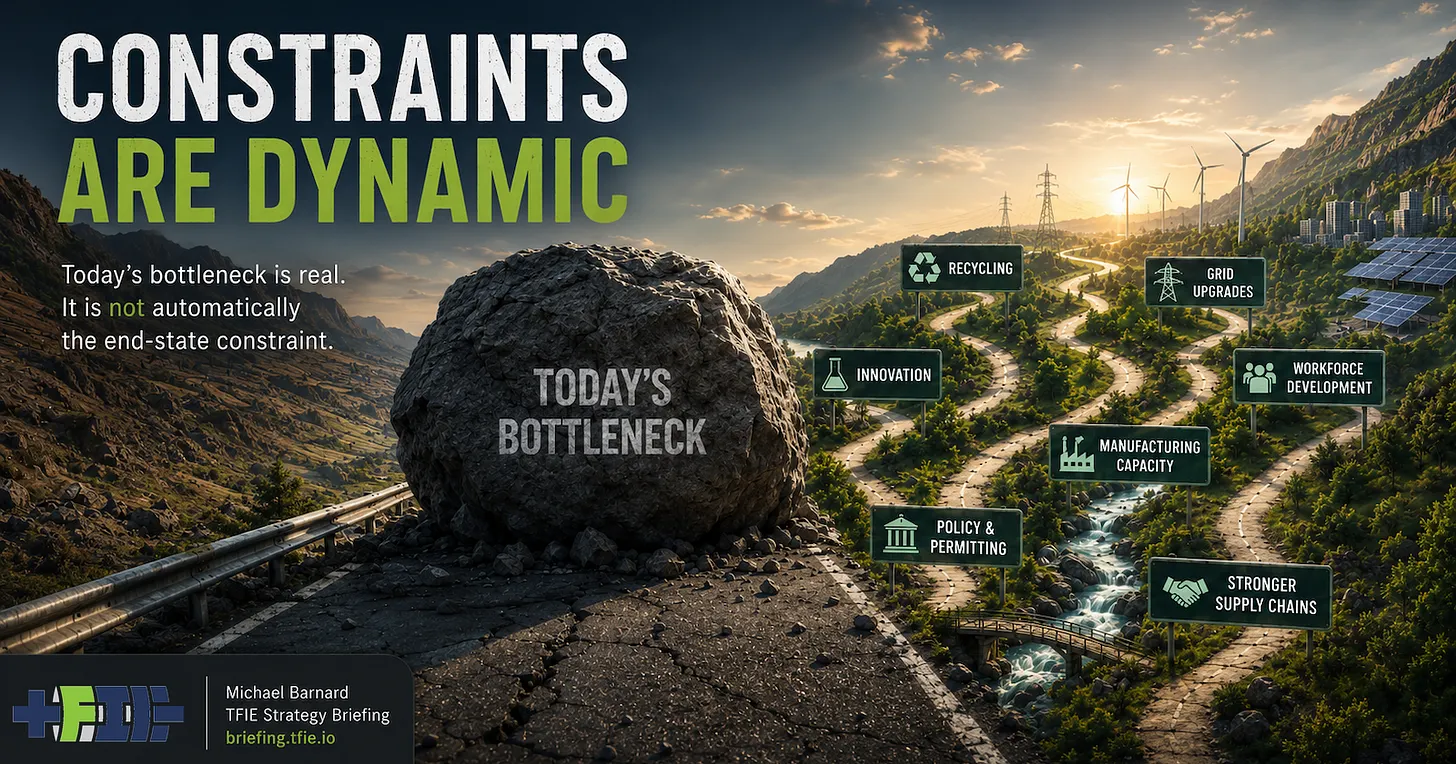
Clean energy bottlenecks are real but dynamic, requiring adaptive modeling
By
Michael Barnard
Summary
This article critiques weak energy-transition analysis that falls into either overly optimistic "booster" or overly pessimistic "fatalist" traps. It argues that clean-tech bottlenecks (grids, mines, supply chains, permitting) are real but not static — good analysis must model how investment, substitution, policy responses, and industry adaptation dynamically shift constraints over time. The piece uses examples like solar panel supply gluts, battery cost declines, and grid interconnection queues to illustrate how constraints evolve rather than remain fixed.
Source
 bskyClean energy bottlenecks are real but dynamic, requiring adaptive modelingcleantechnica.com
Key quotes
· 4 pulledA lot of weak energy-transition analysis makes the same mistake in opposite directions.
The booster version assumes every deployment curve will keep rising smoothly, as if grids, mines, factories, workers, permitting systems and customers are all waiting obediently for the spreadsheet.
The fatalist version takes the bottleneck visible today and treats it as a permanent wall.
Energy-transition constraints are real, but long-range analysis has to model how investment, substitution and policy respond.
You might also wanna read


Regulatory Bottlenecks Double Costs for Climate Tech Hardware Startups
Entrepreneur Peter Reinhardt shares his experience transitioning from software to hardware startups in climate tech (carbon removal, steel,

AI's Growing Energy Demand Puts Strain on US Power Grids Despite Potential Overestimations
The article argues that while concerns about AI's energy consumption may be exaggerated, the rapid growth in electricity demand from tech co
 The Verge·9mo ago
How grid-aware websites can adapt to renewable energy availability
Nic Chan shares their experience participating in the Grid-Aware Websites (GAW) advisory group with the Green Web Foundation. A grid-aware w
 nicchan.me·9mo ago
Analysis: Historical Context Shows AI Energy Consumption Predictions May Be Overstated
This article challenges alarmist predictions about AI's energy consumption, arguing that similar dire forecasts were made about internet and
 johnquigginblog.substack.com·9mo ago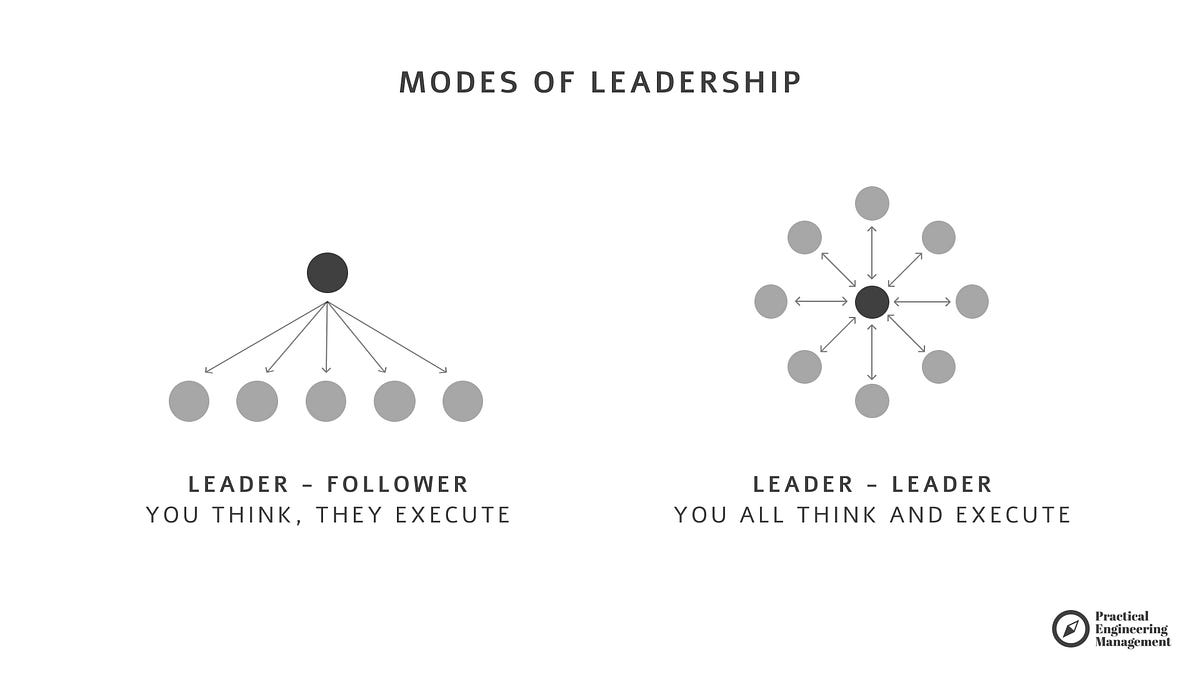
From Bottleneck to Empowerer: Applying the Leader-Leader Model in Engineering Management
The article discusses the common challenge engineers face when transitioning from individual contributor roles to engineering leadership pos
 practicalengineering.management·21d ago
The energy security illusion: Why temporary supply relief masks lasting vulnerabilities
The article discusses the "abundance illusion" in global energy markets, drawing on historical context from Jimmy Carter's 1977 energy trans
 carlyle.com·12d ago
Comments
Sign in to join the conversation.
No comments yet. Be the first.