
























Claire North on writing Slow Gods: the philosophical weight of a supernova apocalypse
By
Claire North
Summary
Author Claire North discusses the creative inspiration behind her space opera novel Slow Gods, which opens with a world-ending supernova. She explores the philosophical and human implications of knowing your planet will be destroyed in 100 years — what choices people would make, what they would sacrifice, and how civilization might respond to an inevitable, distant apocalypse. The piece blends literary reflection with speculative science fiction themes.
Source
 Twitter / XClaire North on writing Slow Gods: the philosophical weight of a supernova apocalypsenewscientist.com
Key quotes
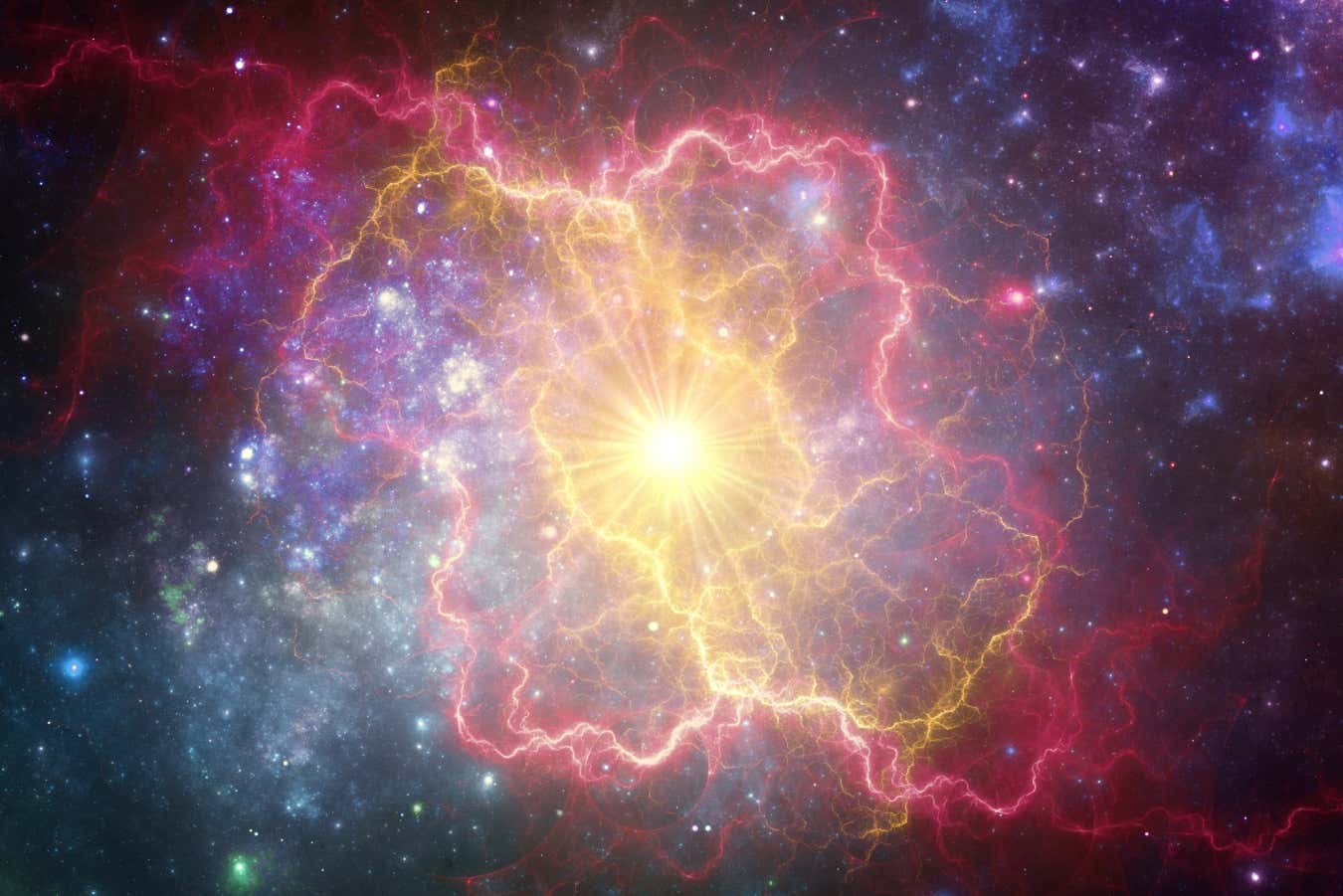
· 3 pulledThere is no force in the universe like it, either in scale or destructive power – but though it is irrefutably dramatic, it's also something you can see coming.
What does it mean to look into the heavens and know the exact date when a star will die and with it, your world?
What choices do you make, and what price would you pay to save yourself – or your civilisation?
You might also wanna read

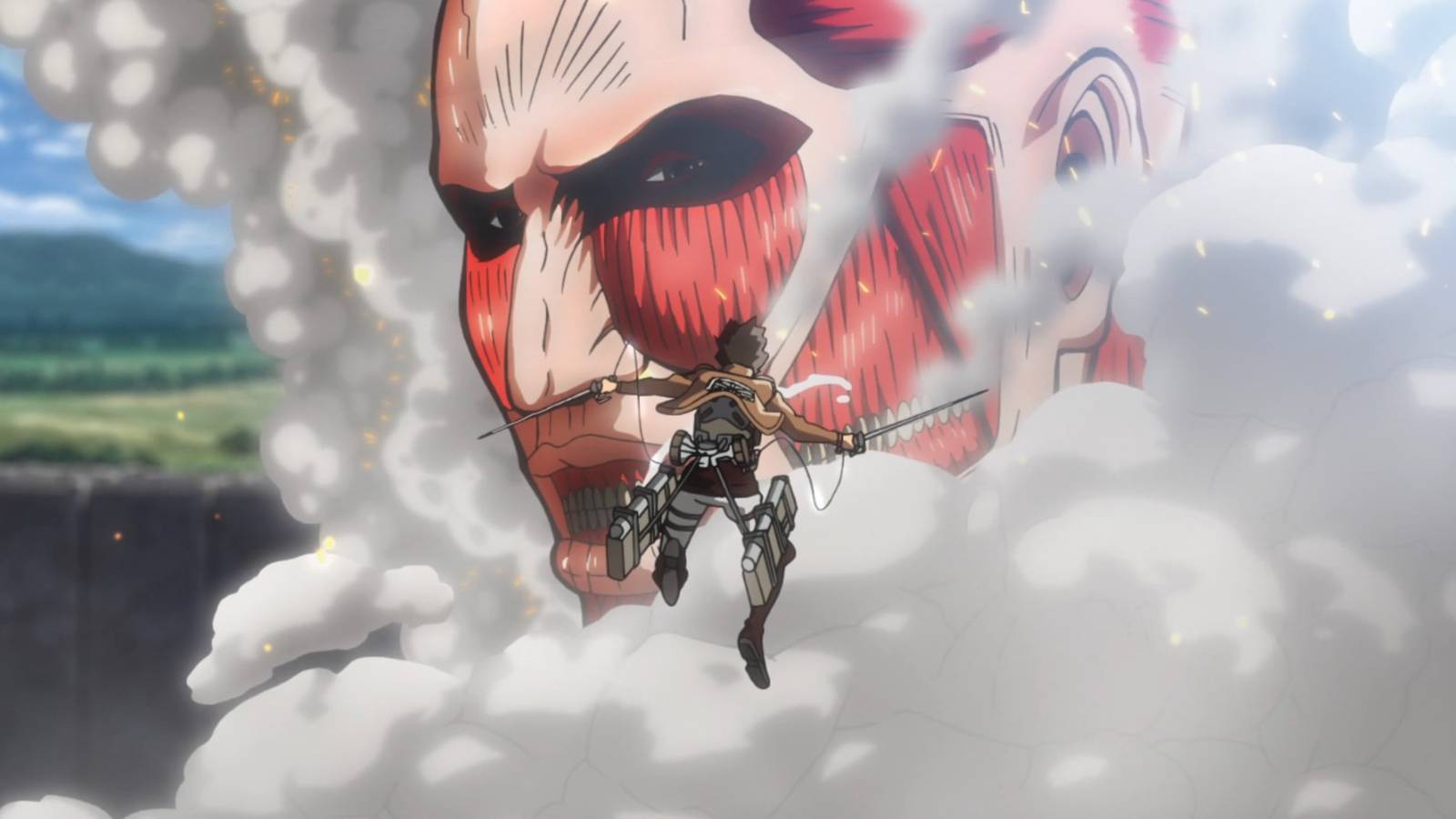
Adalyn Grace's The Wretched Divine draws inspiration from Attack on Titan and Brandon Sanderson
Adalyn Grace, a New York Times-bestselling author who started her career as an intern on The Legend of Korra, has written a new fantasy nove
 polygon.com·16d ago
Rob McConnell Interviews Gregory Sams on Consciousness and the Nature of Divinity
In this episode of The 'X' Zone, Rob McConnell interviews Gregory Sams, author of "Son of 'gOd'", who proposes a radical rethinking of divin
 spreaker.com·14d ago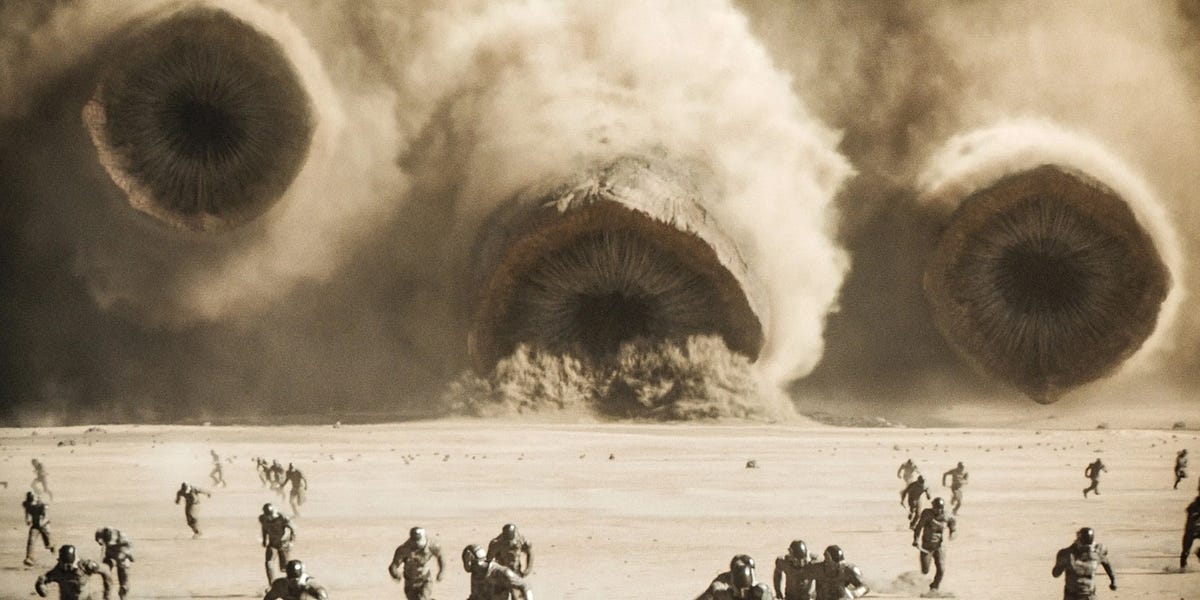
Science Fiction's Warning: Geoengineering Lessons from Frank Herbert's Dune
This article explores the concept of geoengineering and terraforming through the lens of science fiction, particularly Frank Herbert's Dune
 governance.fyi·9mo ago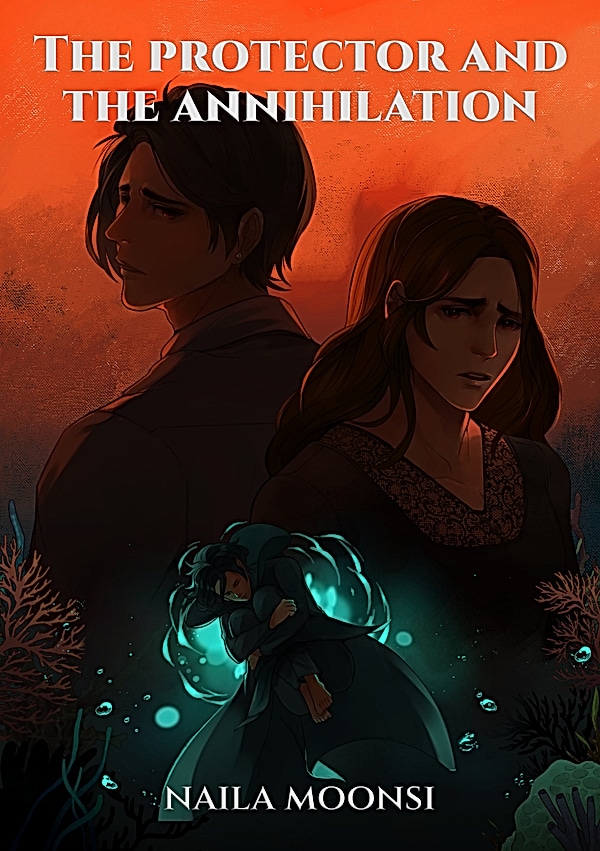
Book Giveaway: "The Protector and the Annihilation" by Naila Moonsi
This article is a book giveaway promotion for "The Protector and the Annihilation" by Naila Moonsi, a science fiction novel set 100,000 year
 librarything.com·19d ago
A Program for Aquarelle Painting: Blending Art, History, and Cosmic Imagery
The article presents a poetic, surreal narrative about creating a program for aquarelle painting that blends historical, mythological, and a
 borretti.me·5mo ago
Review: "The Pale Blue Data Point" Examines the Paradox of Astrobiology Without Evidence
This article reviews Jon Willis's book "The Pale Blue Data Point," which examines the paradox of astrobiology as a scientific field that stu
 reviewcanada.ca·3mo ago
Comments
Sign in to join the conversation.
No comments yet. Be the first.