
























Chatrie + the Shrinking Third-Party Doctrine: What Data Custodians Should Watch
In Chatrie v. United States , No. 25-112 (U.S. June 29, 2026), the Supreme Court took another step in redefining digital privacy under the Fourth Amendment, building directly on its landmark decision…
Read the full articleYou might also wanna read


Supreme Court's Chatrie Case Challenges Third-Party Doctrine on Geofence Warrants and Location Data
In a landmark decision for personal privacy and liberty in the digital age, the Supreme Court has brought renewed scrutiny to the third-part
 luma.com·17d ago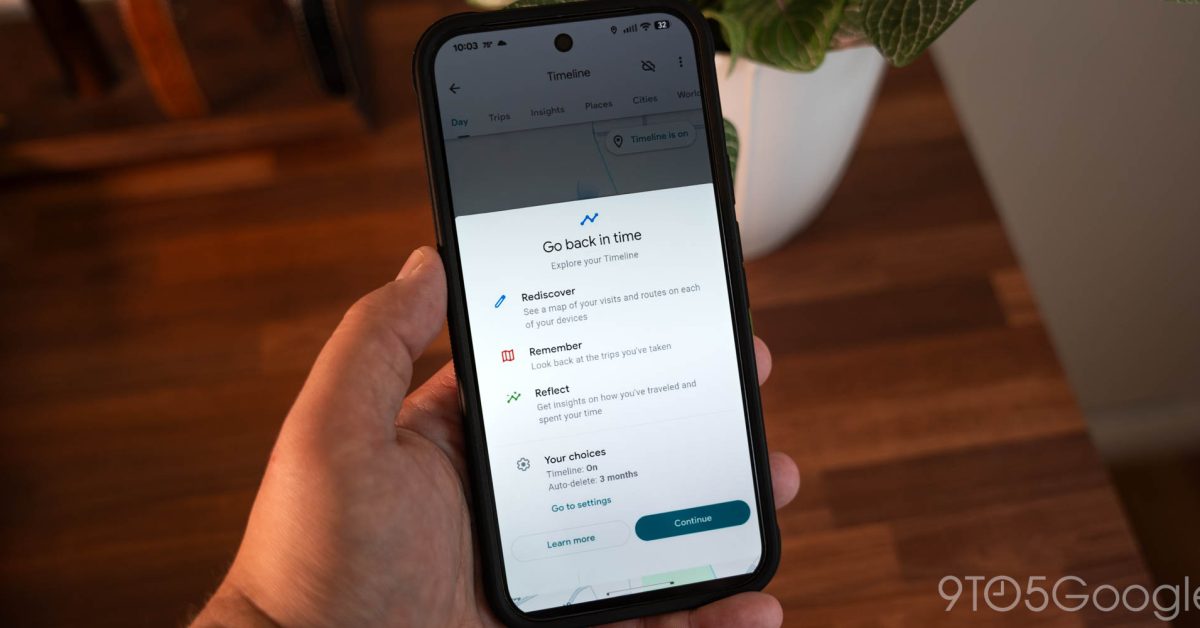
Supreme Court rules 6-3 that Fourth Amendment protects phone location history data
The Supreme Court rendered a decision this morning on a case debating whether or not people have an “expectation of...
 9to5google.com·14d ago
Chatrie v. United States: Supreme Court unlikely to clarify digital privacy protections for geofence warrants
Chatrie will make it no wiser to rely on legal protections. You must lock up your own stuff.
 aei.org·7d ago
Supreme Court rules digital data protected by Fourth Amendment in Chatrie v. United States
The Supreme Court finished its term by reinforcing the fact that consumers' online information is constitutionally protected against the gov
 marketplace.org·9d ago
Supreme Court Rules 6-3 in Chatrie v. United States: Geofence Searches Require a Warrant Under the Fourth Amendment
🚨 BIG WIN FOR DIGITAL PRIVACY: Supreme Court Rules 6-3 in Chatrie v. United States That Geofence Digital Dragnets Require A Warrant For Sea
 substack.com·6d ago
Google Location History and the Fourth Amendment
Google Location History now carries Fourth Amendment protection when police obtain it from Google during a criminal investigation. On June 2
Comments
Sign in to join the conversation.
No comments yet. Be the first.